Metal is clearly used in a wide range of industries and applications, each of which have different requirements for the mechanical properties of the metal in question. Depending on the use, certain metals must be machinable and ductile, while others demand hard metals with strong corrosion resistance. Still other applications call for a wide range of property combinations.
In order to meet this diverse variety of requirements, various metal kinds are designed to have particular qualities. Steel, aluminum, brass, copper, nickel, and a long list of other obvious materials are available. You are not, however, restricted to these wide categories. Metals can also be alloyed, or combined with other metals or elements, to create materials with new or improved qualities.
As steel is one of the most common metal categories, this article will concentrate on what a steel alloy is, what elements can be added to them, and some of the most popular varieties of steel alloys.
What Is Alloy Steel?
To understand what alloy steel is, it's important to know what the terms "alloy" and "steel" mean on their own.
An alloy is a mixture of two or more elements that, when mixed, retain metallic properties. It either blends several different metals together or combines metals with non-metals like phosphorous or carbon. In addition to the alloying materials' inherent qualities, the mixture confers special mechanical traits, such as hardness, higher tensile strength, and resistance to corrosion.
Steel is a basic mixture of iron and carbon with only trace amounts of other elements. Technically, carbon steel is an alloy since it mixes two elements, but it's usually referred to as carbon steel-there is a difference between carbon steel and steel alloys. Its makeup is mostly iron, but the carbon content is the significant structural component.
Steel gains strength, hardness, and wear resistance as its carbon content rises, but it also loses ductility, machinability, and weldability as a result. A steel alloy is a metal that combines aspects of alloying with the basic structure of steel. They produce several forms of steel with additional or altered mechanical qualities when added to the carbon steel foundation.

Common Types of Alloy Steel
There are many different steel alloys available, but let's take an introductory look at a few of the types of steel alloys used to manufacture fasteners and machine components such as dowel pins.
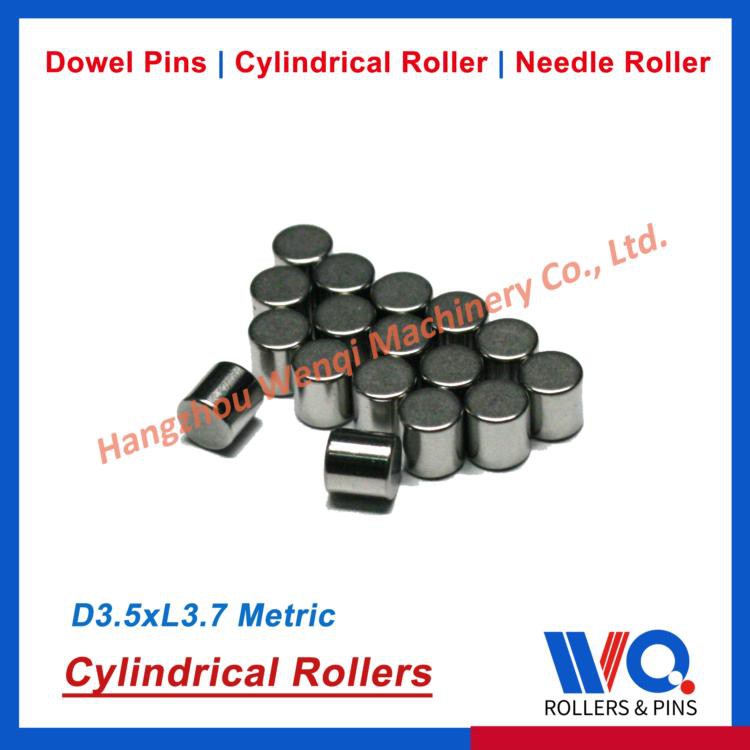
52100 alloy steel is a high-carbon, chromium-alloy steel. Its composition includes approximately 1.0% carbon, 1.4% chromium, and small amounts of manganese, silicon, and other trace elements. 52100 steel is highly regarded for its exceptional wear resistance and ability to maintain a sharp edge. This makes it a preferred choice for applications where hardness and abrasion resistance are critical, such as bearings, needle rollers and dowel pins.
1018 steel is a variety of low‑carbon steel, also known as mild steel. It has lesser amounts of other elements and a maximum of 0.2% carbon. It is extensively utilized in numerous applications and provides an exceptional balance of strength, ductility, and machinability. Carburization is a method of case-hardening low-carbon steel. It is used to create various kinds of dowel pins and rivet nuts, among other things.
1144 steel is medium-carbon steel with between 0.4 and 0.8% carbon, plus smaller quantities of manganese. It is relatively easy to machine, and it can be heat‑treated to increase its hardness.
304 and 316 stainless steel are austenitic steels that contain chromium and nickel. 316 stainless steel also contains molybdenum, which improves its resistance to some types of corrosion. These stainless steels are widely used in screws and other types of corrosion‑resistant fasteners like pins, some lifting and rigging hardware, and hose clamps.
410/416 stainless steel is martensitic steel that contains between 11 and 12% chromium along with other elements including silicon, nickel, sulfur. 410 is a low-cost, heat-treatable grade used for cutlery, screens, spring pins, turbine blades, and other non-severe corrosion applications. 416 offers excellent machinability and some magnetism, making it suitable for dowel pins, nuts, bolts, valve trim, and other fasteners.
These are just a small fraction of the vast number of steel alloys that are available.
Wenqi uses alloy steels, stainless steels, and many other metals in our fasteners, bearing rollers, driveline parts, and more. To learn about our custom manufacturing capabilities, don't hesitate to get in touch with our Sales team for more information.