Steel comes in a variety of shapes and is a necessary component in many different industries. The mechanical properties of each form, which are unique and suitable for various uses, are what set them apart; carbon steels and alloy steels are among the most popular forms. Nevertheless, these variances are all subject to the underlying structure of steel.
At its core, steel is primarily a mixture of iron with carbon added to it. It isn't technically a metal because metals are elements that occur naturally, such as copper or aluminum. Even in its most fundamental form, steel is always an alloy-a mixture of many elements and/or components. Although iron is an element, it needs carbon to change from iron to steel.
The Role of Iron in Steel
All steel is made of iron, which serves as the basis for all other forms of steel depending on what other elements are added to it. During the production process, it imparts its strength and resistance to heat and corrosion to steel.
The fundamental steps in turning iron into steel are purging impurities, adjusting the carbon concentration, and adding components to make different kinds of steel.
The Role of Carbon in Steel
Carbon is the element that controls the hardness and ductility of steel. The harder it is to manufacture steel, the higher the carbon concentration. Iron is soft and pliable by itself; it doesn't take much carbon to modify that.
Carbon Content
Carbon steel is divided up into three categories: high, medium, and low. High-carbon steel only has a carbon content of around 0.60% - 1%; any steel with a carbon content higher than 1% is significantly brittle, and it only takes 2% - 3% carbon content to transform steel into cast iron. High-carbon steel is commonly used for cutlery and applications that require sharp, hard edges.
Medium-carbon steel features anywhere from 0.30% to 0.60% carbon. This steel is not as strong or hard as high-carbon steel, but it is more workable. It is used to make train wheels, train tracks, machinery and automotive parts, and applications that require strength, toughness, and decent machinability.
Low-carbon steel has a carbon content of less than 0.30% and usually needs to be carburized before heat treating. Carbon molecules are added during the carburization process, causing the surface to form a tough "skin" and a "case." This is the origin of the idea of case hardening. These steels are appropriate for fasteners like clevis pins and machine keys because they perform well in situations requiring cold-forming or machinability.
Carbon Steel vs. Steel Alloy: The Difference
Steel itself is an alloy because it's a combination of multiple elements (iron and carbon). But this mixture-which is known as carbon steel-is the most fundamental form of steel; it may contain traces of other elements, but not enough to be distinguished.
Steel alloys incorporate additional components such as sulfur, manganese, nickel, chromium, molybdenum, and other alloying elements into the fundamental structure of carbon steel. These are added to metal in order to modify, increase, or decrease its machinability, tensile strength, hardness, resistance to corrosion, and other qualities.
In simple terms, here is the difference between carbon steel and steel alloy:
Carbon steel = iron + carbon
Steel alloy = iron + carbon + other elements
Keep in mind that the material qualities listed when reading about the various kinds of carbon and alloy steel are estimates and should only be used as a general reference. To find out the precise qualities of the material you want and the particular specifications needed for your application, you should always conduct your own study.
What is carbon steel?
Carbon steel is steel that relies upon carbon content for its structure. The primary hardening component that controls the degree of hardness or strength attained during quenching is carbon. As steel's carbon content rises, so do its tensile strength, hardness, and resistance to wear and abrasion. Additionally, it may reduce toughness, machinability, and ductility.
What is Alloy Steel?
Alloy steel is a type of steel with alloying elements other than carbon added to improve its properties. Some of the common additions to alloy steel include chromium, cobalt, columbium, molybdenum, manganese, nickel, titanium, silicon, and vanadium.
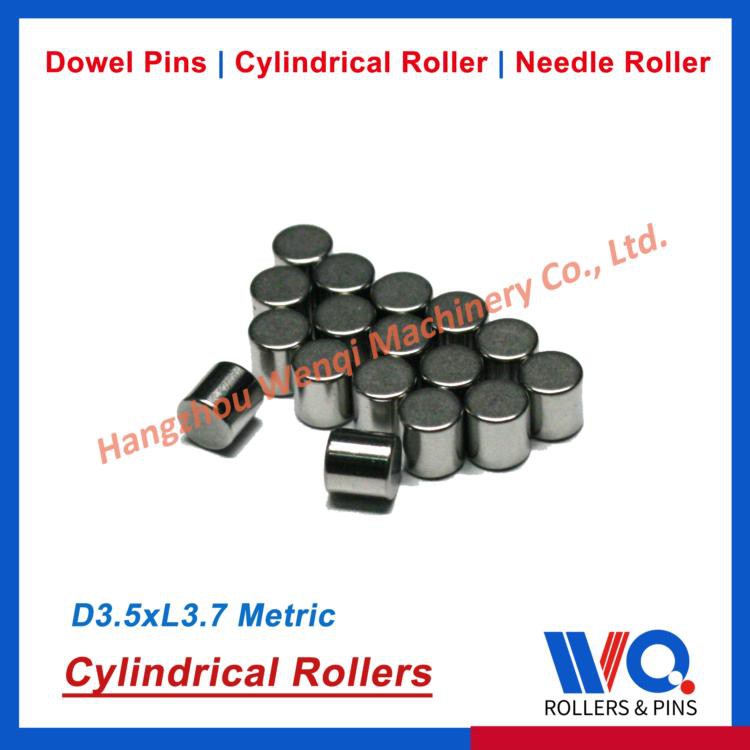
Wenqi Machinery offers a wide variety of products in alloy steel, including multiple types of dowel pins, cylindrical rollers, needle rollers and universal joints.


Carbon steel and steel alloys are used to make a wide range of fasteners used in common applications in the automotive industry, agriculture, food and medical services, and more. Basic carbon steel on its own has a wide range of properties depending on its carbon and iron content ratio, while the properties of alloy steel are influenced by different elements added to the carbon steel base. This creates different types of metals with different structural components.
Wenqi Machinery offers a range of products in these different types of metals that are suitable for a wide variety of applications. Contact our Sales Team or browse our range of products for more information.