


Hey there! As a supplier of DIN 6325 pins, I often get asked whether these pins can be used in railway equipment. It's a great question, and today I'm gonna dive deep into this topic to give you all the info you need.
First off, let's talk a bit about what DIN 6325 pins are. DIN 6325 is a standard that defines certain types of dowel pins. These pins are known for their precision and high - quality manufacturing. They're typically used for precise alignment and positioning in a variety of mechanical applications.
Now, when it comes to railway equipment, there are some unique requirements. Railway systems operate under extreme conditions. They face high levels of vibration, shock, and dynamic loads. The equipment needs to be extremely reliable because any failure can lead to serious safety issues.
One of the key factors to consider is the material of the DIN 6325 pins. We offer a range of materials for our pins, including Cylindrical Dowel Pin and Dowel Pins AISI 52100. AISI 52100 is a high - carbon chromium alloy steel. It has excellent hardness, wear resistance, and fatigue resistance. These properties are crucial for railway applications. The high hardness helps the pins withstand the wear caused by constant movement and friction. The fatigue resistance ensures that the pins can handle the repeated stress cycles without failing.
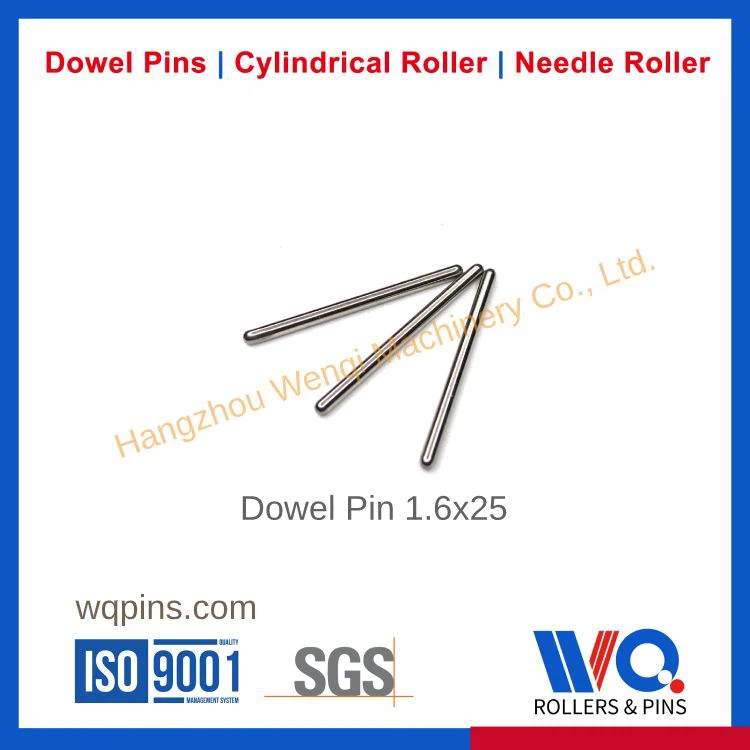

Another important aspect is the precision of the pins. In railway equipment, components need to be precisely aligned. Our DIN 6325 pins are manufactured to very tight tolerances. This precision ensures that the pins can accurately position and align different parts of the railway equipment. For example, in the coupling systems between railway cars, precise alignment is essential for smooth operation and to prevent excessive wear and tear.
Let's take a look at some specific railway applications where DIN 6325 pins could potentially be used.
Brake Systems
Brake systems in trains are critical for safety. They need to be highly reliable and responsive. DIN 6325 pins can be used in the brake caliper assemblies. The pins can help in accurately positioning the brake pads and other components. The wear - resistant materials of our pins ensure that they can withstand the high - pressure and high - friction environment of the braking system.
Suspension Systems
The suspension system of a train is responsible for providing a smooth ride and maintaining stability. Dowel Positioning Pins can be used in the suspension components to ensure proper alignment. This helps in evenly distributing the loads and reducing vibrations.
However, it's not all rosy. There are also some challenges when using DIN 6325 pins in railway equipment.
Corrosion
Railway equipment is often exposed to harsh environmental conditions, including moisture, salt, and chemicals. Corrosion can significantly reduce the lifespan of the pins. To combat this, we can offer surface treatments for our pins. For example, a zinc - plating or a special anti - corrosion coating can be applied to protect the pins from rust and corrosion.
Regulatory Requirements
The railway industry is highly regulated. There are strict standards and certifications that any component used in railway equipment must meet. As a supplier, we're committed to ensuring that our DIN 6325 pins comply with all the relevant railway standards. We work closely with testing laboratories to conduct various tests, such as mechanical property tests, corrosion tests, and fatigue tests.
In conclusion, DIN 6325 pins have the potential to be used in railway equipment. Their precision, material properties, and the ability to be customized make them suitable for many railway applications. However, proper consideration needs to be given to factors like corrosion and regulatory compliance.
If you're in the railway equipment manufacturing business and are interested in using our DIN 6325 pins, I'd love to have a chat with you. We can discuss your specific requirements, and I can provide you with detailed product information and pricing. Don't hesitate to reach out for a procurement discussion.
References
- "Mechanical Design Handbook for Railway Vehicles"
- "Standards and Regulations in the Railway Industry"
- "Materials Science and Engineering for High - Performance Fasteners"