


As a supplier of 3mm dowel pins, I often encounter questions from customers regarding the brittleness of these small yet crucial components. In this blog post, I aim to delve into the concept of brittleness in 3mm dowel pins, exploring its causes, implications, and how we as a supplier address these concerns.
Understanding Brittleness
Brittleness is a material property that describes a material's tendency to fracture or break without significant deformation. In the context of 3mm dowel pins, brittleness can be a critical factor as these pins are often used in applications where they need to withstand various forces without failing. A brittle dowel pin may snap under stress, leading to the failure of the entire assembly.
The brittleness of a 3mm dowel pin is primarily determined by the material from which it is made. Common materials for dowel pins include steel, stainless steel, brass, and plastic. Each material has its own unique mechanical properties, including brittleness.
- Steel Dowel Pins: Steel is a widely used material for dowel pins due to its high strength and durability. However, certain types of steel can be brittle, especially if they are heat-treated to achieve high hardness. For example, carbon steel dowel pins that are quenched and tempered to a high hardness may be more prone to brittleness. This is because the heat treatment process can create internal stresses within the material, making it more likely to fracture under stress.
- Stainless Steel Dowel Pins: Stainless steel is known for its corrosion resistance, making it a popular choice for applications in harsh environments. Similar to steel, the brittleness of stainless steel dowel pins can vary depending on the grade and heat treatment. Austenitic stainless steels, such as 304 and 316, are generally less brittle than martensitic stainless steels, which are often used for their high strength and hardness.
- Brass Dowel Pins: Brass is a relatively soft and ductile material, which means it is less likely to be brittle compared to steel or stainless steel. Brass dowel pins are often used in applications where a lower level of strength is required, or where corrosion resistance is not a major concern. However, brass can still become brittle if it is exposed to certain environmental conditions, such as high temperatures or stress.
- Plastic Dowel Pins: Plastic dowel pins are lightweight and corrosion-resistant, making them suitable for a variety of applications. The brittleness of plastic dowel pins depends on the type of plastic used. Some plastics, such as polycarbonate and nylon, are relatively tough and flexible, while others, such as acrylic and polystyrene, can be more brittle.
Causes of Brittleness in 3mm Dowel Pins
There are several factors that can contribute to the brittleness of 3mm dowel pins. Understanding these factors can help us as a supplier to take appropriate measures to minimize the risk of brittleness in our products.
- Material Composition: As mentioned earlier, the material composition of a dowel pin plays a significant role in its brittleness. The presence of certain alloying elements or impurities in the material can affect its mechanical properties, including brittleness. For example, high levels of carbon in steel can increase its hardness but also make it more brittle.
- Heat Treatment: Heat treatment is a common process used to improve the strength and hardness of dowel pins. However, improper heat treatment can lead to brittleness. Overheating or rapid cooling during the heat treatment process can create internal stresses within the material, making it more prone to fracture.
- Cold Working: Cold working is another process used to shape and strengthen dowel pins. However, excessive cold working can also increase the brittleness of the material. This is because cold working can cause the grains in the material to become elongated and aligned, reducing its ductility and increasing its susceptibility to cracking.
- Environmental Conditions: The environment in which the dowel pins are used can also affect their brittleness. Exposure to high temperatures, humidity, chemicals, or stress can cause the material to degrade over time, making it more brittle. For example, steel dowel pins exposed to saltwater may corrode, which can weaken the material and increase its brittleness.
Implications of Brittleness in 3mm Dowel Pins
The brittleness of 3mm dowel pins can have several implications for their performance and reliability in various applications.
- Assembly Failure: A brittle dowel pin may break during the assembly process, leading to the failure of the entire assembly. This can result in costly downtime and repairs, as well as potential safety hazards.
- Reduced Service Life: Brittleness can also reduce the service life of dowel pins. A brittle pin is more likely to crack or fracture under normal operating conditions, which can lead to premature failure and the need for replacement.
- Increased Maintenance Costs: The failure of brittle dowel pins can also increase maintenance costs. Replacing failed pins can be time-consuming and expensive, especially if the pins are located in hard-to-reach areas.
Addressing Brittleness Concerns as a Supplier
As a supplier of 3mm dowel pins, we are committed to providing our customers with high-quality products that meet their specific requirements. To address the concerns regarding brittleness, we take several measures throughout the manufacturing process.
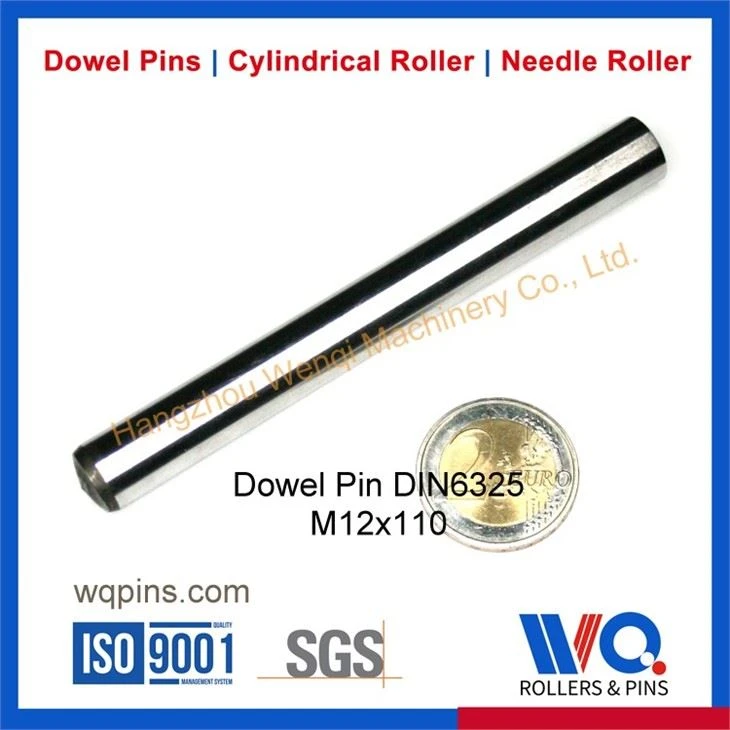
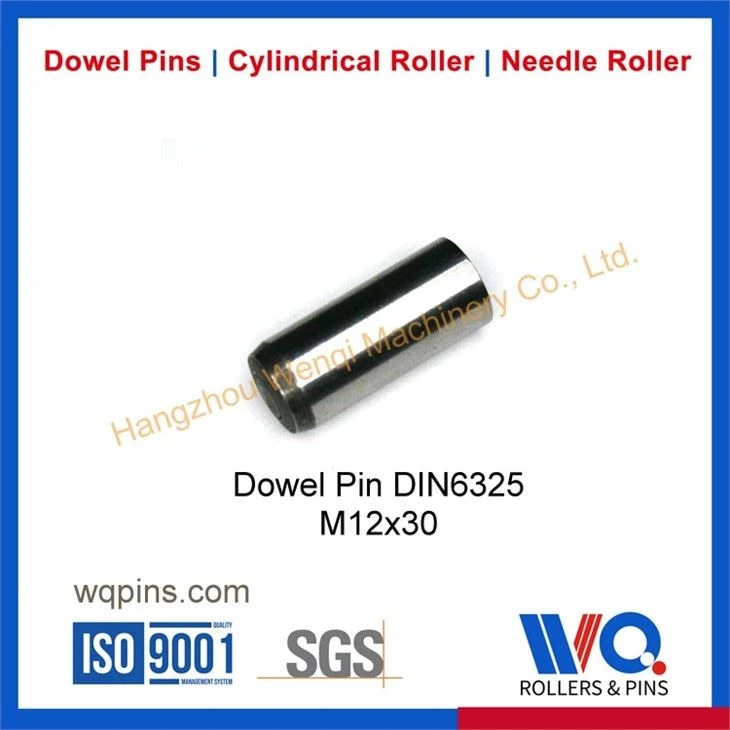
- Material Selection: We carefully select the materials for our dowel pins based on the application requirements and the desired mechanical properties. We work with reputable suppliers to ensure that the materials we use are of high quality and meet the relevant standards.
- Quality Control: We have a strict quality control system in place to ensure that our dowel pins meet the highest standards of quality and performance. This includes testing the materials for their mechanical properties, such as hardness, tensile strength, and ductility, as well as conducting visual inspections to detect any defects or flaws.
- Heat Treatment Optimization: We optimize the heat treatment process to ensure that our dowel pins have the desired strength and hardness without sacrificing their ductility. This involves carefully controlling the temperature, time, and cooling rate during the heat treatment process to minimize the internal stresses within the material.
- Environmental Testing: We conduct environmental testing on our dowel pins to ensure that they can withstand the conditions in which they will be used. This includes testing the pins for their resistance to corrosion, heat, and chemicals, as well as their performance under various stress conditions.
Applications of 3mm Dowel Pins
3mm dowel pins are used in a wide range of applications across various industries. Some of the common applications include:
- Automotive Industry: In the automotive industry, 3mm dowel pins are used for aligning and securing components such as engine blocks, transmissions, and suspension systems. For example, Connecting Rod Position Pins are used to ensure the proper alignment of the connecting rods in an engine, which is crucial for its smooth operation.
- Electronics Industry: In the electronics industry, 3mm dowel pins are used for mounting and aligning circuit boards, connectors, and other components. They provide a precise and reliable way to ensure the proper positioning of these components, which is essential for the performance and reliability of electronic devices.
- Machinery Industry: In the machinery industry, 3mm dowel pins are used for aligning and securing machine parts such as gears, bearings, and shafts. They help to ensure the accurate positioning and alignment of these parts, which is crucial for the smooth operation and longevity of the machinery.
- Furniture Industry: In the furniture industry, 3mm dowel pins are used for joining and assembling furniture parts such as drawers, cabinets, and tables. They provide a strong and durable connection between the parts, which is essential for the stability and longevity of the furniture.
Contact Us for Your Dowel Pin Needs
If you are in need of high-quality 3mm dowel pins or have any questions regarding their brittleness or other properties, please do not hesitate to contact us. We have a team of experienced professionals who can provide you with expert advice and guidance on selecting the right dowel pins for your specific application. Whether you need 8x30mm Dowel Pins or Durable Dowel Pins, we can offer you a wide range of options to meet your requirements. Let's start a conversation and explore how our dowel pins can enhance the performance and reliability of your products.
References
- Callister, W. D., & Rethwisch, D. G. (2014). Materials Science and Engineering: An Introduction. Wiley.
- ASM Handbook Committee. (2000). ASM Handbook Volume 1: Properties and Selection: Irons, Steels, and High-Performance Alloys. ASM International.
- Shigley, J. E., Mischke, C. R., & Budynas, R. G. (2004). Mechanical Engineering Design. McGraw-Hill.