


As a supplier of 14mm dowel pins, I often get asked about the suitability of these components for marine applications. The marine environment is a harsh one, characterized by high humidity, saltwater exposure, and constant mechanical stress. Therefore, the choice of materials and components in marine applications is crucial to ensure the safety and longevity of the equipment. In this blog post, I will explore whether 14mm dowel pins can be used in marine applications, taking into account the properties of dowel pins, the challenges of the marine environment, and the available options for corrosion resistance.
Properties of 14mm Dowel Pins
Dowel pins are cylindrical rods used to align and secure two or more components in a precise position. They are commonly made from materials such as steel, stainless steel, brass, and aluminum. The 14mm dowel pins, with their specific diameter, offer a balance between strength and versatility, making them suitable for a wide range of applications.
- Strength and Precision: Dowel pins are designed to provide a high level of strength and precision. They can withstand significant shear and tensile forces, ensuring that the connected components remain securely in place. The precise fit of dowel pins also helps to maintain the alignment of the components, which is essential for the proper functioning of the equipment.
- Versatility: 14mm dowel pins can be used in various industries, including automotive, aerospace, machinery, and construction. They are available in different lengths and end configurations, allowing for customization based on the specific requirements of the application.
Challenges of the Marine Environment
The marine environment poses several challenges for the use of dowel pins. These challenges can significantly affect the performance and lifespan of the pins if not properly addressed.
- Corrosion: Saltwater is highly corrosive, and exposure to it can cause the dowel pins to rust and deteriorate over time. Corrosion can weaken the pins, leading to a loss of strength and precision, and ultimately, failure of the connection.
- Mechanical Stress: Marine equipment is often subjected to high levels of mechanical stress, including vibrations, shocks, and dynamic loads. These stresses can cause the dowel pins to loosen or break, especially if they are not designed to withstand such conditions.
- Temperature and Humidity: The marine environment is characterized by high humidity and fluctuating temperatures. These conditions can accelerate the corrosion process and cause the materials to expand and contract, further affecting the performance of the dowel pins.
Can 14mm Dowel Pins Be Used in Marine Applications?
The answer to this question depends on several factors, including the type of dowel pin material, the level of corrosion resistance required, and the specific application requirements.
- Material Selection: When it comes to marine applications, the choice of material for the dowel pins is critical. Stainless steel is a popular choice due to its excellent corrosion resistance. Austenitic stainless steels, such as 304 and 316, are commonly used in marine environments because they contain chromium and nickel, which form a protective oxide layer on the surface of the material, preventing corrosion. However, it is important to note that even stainless steel can corrode in certain conditions, such as in the presence of high levels of chlorides or in areas with poor ventilation.
- Coatings and Treatments: In addition to using corrosion-resistant materials, coatings and treatments can be applied to the dowel pins to enhance their corrosion resistance. For example, zinc plating, galvanizing, and epoxy coatings can provide an additional layer of protection against corrosion. These coatings can also improve the appearance of the pins and reduce friction, making them easier to install and remove.
- Application Requirements: The specific requirements of the marine application also play a role in determining the suitability of 14mm dowel pins. For applications where the pins are exposed to direct contact with saltwater or high levels of moisture, a higher level of corrosion resistance may be required. In contrast, for applications where the pins are protected from the elements or are used in less corrosive environments, a less expensive material or coating may be sufficient.
Types of 14mm Dowel Pins for Marine Applications
There are several types of 14mm dowel pins that can be used in marine applications, each with its own advantages and disadvantages.
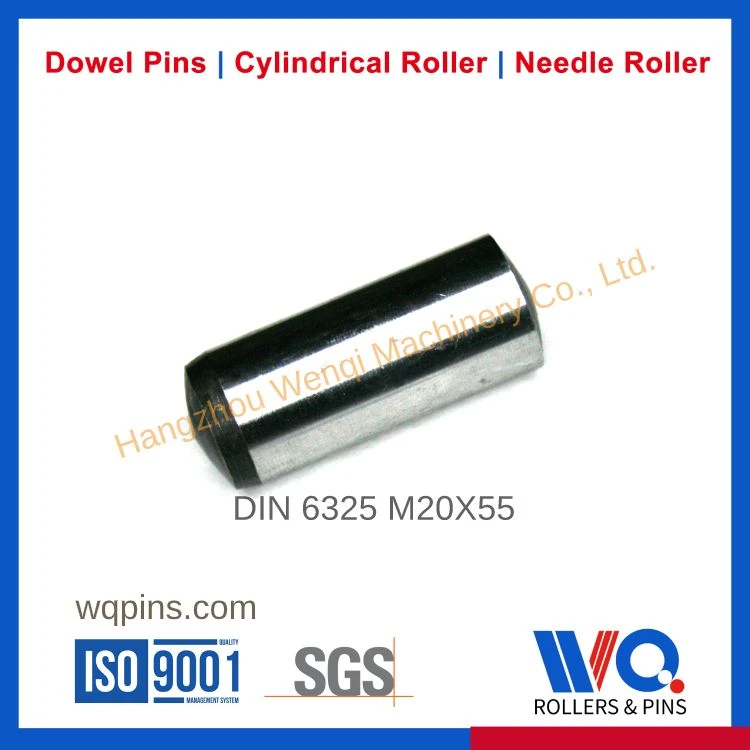

- Connecting Dowel Pin: Connecting dowel pins are used to connect two or more components together. They are typically made from stainless steel or other corrosion-resistant materials and are designed to provide a strong and secure connection. Connecting dowel pins can be used in a variety of marine applications, such as connecting structural components, securing equipment, and aligning parts.
- Flywheel Alignment Dowel Pins: Flywheel alignment dowel pins are used to align the flywheel with the engine crankshaft. They are critical for the proper functioning of the engine, as misalignment can cause vibrations, noise, and premature wear of the components. Flywheel alignment dowel pins are usually made from high-strength materials and are precision-machined to ensure a perfect fit.
- Hardware Dowel Pins: Hardware dowel pins are used in a wide range of applications, including furniture, cabinets, and doors. They are typically made from brass or stainless steel and are available in different sizes and shapes. Hardware dowel pins can be used in marine applications where a decorative or functional connection is required.
Conclusion
In conclusion, 14mm dowel pins can be used in marine applications, but careful consideration must be given to the material selection, corrosion resistance, and application requirements. By choosing the right type of dowel pin and taking appropriate measures to protect it from the harsh marine environment, it is possible to ensure the long-term performance and reliability of the connection.
If you are in need of 14mm dowel pins for your marine application, I encourage you to contact me to discuss your specific requirements. I can provide you with detailed information about the available materials, coatings, and treatments, as well as help you select the most suitable dowel pins for your project. Together, we can find the best solution to meet your needs and ensure the success of your marine application.
References
- ASM Handbook, Volume 13A: Corrosion: Fundamentals, Testing, and Protection. ASM International.
- Machinery's Handbook, 31st Edition. Industrial Press Inc.
- ASTM International Standards for Metals and Alloys. ASTM International.