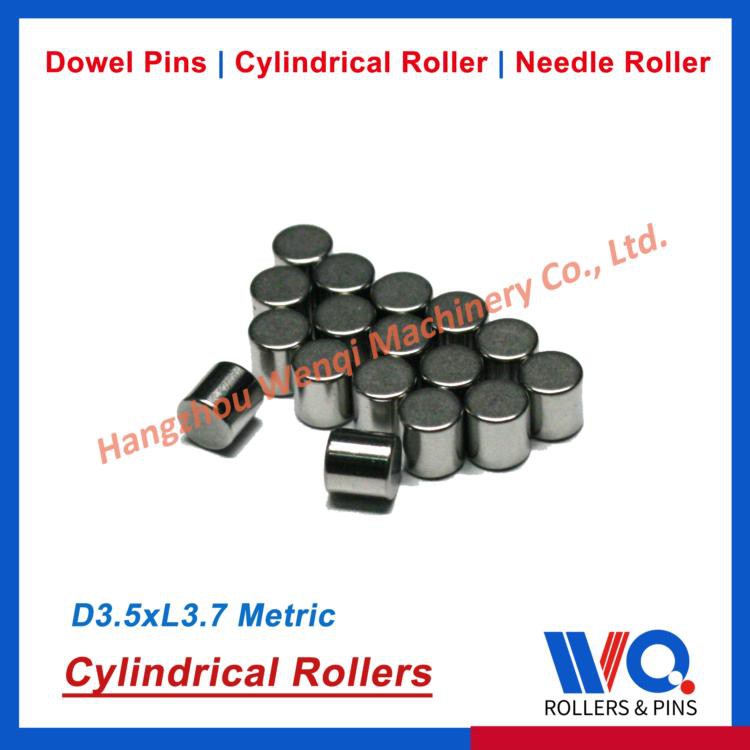
Metal dowel pins come in a variety of styles, sizes, and materials. But never fear, Wenqi Machinery is here to guide you through the selection process.
What are dowel pins?
Sometimes dowel pins are called lock pins or straight pins. Dowel pins are headless, cylindrical, solid metal rods cut to precise tolerances in a production context. These pins are typically used to align, locate, or join components to absorb lateral stress. They can also be utilized as a hinge, shaft, or pivot, though. Metal dowel pins are widely used in various industries, including automotive, aerospace, tool and die, prototype, electrical components, and military, for manufacturing, metalworking, and precision engineering applications.
Why Use Metal Dowel Pins?
Dowel pins are simple, effective, and versatile fasteners for a variety of assembly processes. Here are some of the more important advantages of metal dowel pins:
· Precision tolerances provide repeatable installation results in high-volume production environments
· Prevents lateral movement of adjoined components
· No addition mating hardware required
· Bevel/chamfer or tapered end guides pin to hole
How to select the Correct Dowel Pin
When choosing the ideal metal dowel pin for your particular application, take a look at the list below to determine the most crucial selection criteria. These factors take into account many different application requirements. One of our knowledgeable team members would be happy to assist you in obtaining an estimate for a custom part if you have a unique requirement that is not addressed here.
six Basic Dowel Pin Selection Considerations
Here are six basic criteria to help you narrow down your dowel pin selection.
1. Metal Dowel Pin Sizes
Dowel pin sizes are measured with a caliper to determine the diameter and end-to-end length of the dowel pin, including the crowns.
We offer metric sizes in diameters from 0.8 mm to 20 mm and lengths from 3 mm to 110 mm.
2. Standards
What dowel pin standards are available from Wenqi?
DIN 7
DIN 6325
ISO 2338
ISO 8734
3. Tolerances
Should I specify a diameter tolerance when ordering metal pins?
· If the tolerance of the metal dowel pin is dictated by the standard to which it is manufactured, then you do not need to mention the tolerance at the time of order. Most standards specify slightly oversized tolerances, which are suitable for original equipment manufacturers.
· If you order a non-standard pin, then you should take into account the consistency of the holes provided in your assembly and specify a tolerance that will meet the needs of your application.
4. Material Type
What material types does Wenqi offer for metal dowel pins?
The material for your dowel pins should be determined by your application. The host material of the hole, exposure to moisture, and other factors can help determine which material to choose when selecting the correct metal dowel pin. Here is a list of dowel pin materials available from Wenqi:
Alloy steel dowel pins
Stainless steel dowel pins
5. End Styles
What end styles are available for metal dowel pins?
· Chamfered-end, or beveled-end, dowel pins have a slight taper at the end that acts as a guide that more easily locates the hole for installation.
· Radius end dowel pins have a rounded crown that prevents pin deformation during installation.
6. Hollow Dowel Pins
What is a hollow dowel pin?
Hollow dowel pins, sometimes referred to as dowel bushings, spring alignment dowels or ground hollow dowels, are typically used as a locating device for components where precision alignment is required.
· With hollow dowels, you can restrict the axial movement of components by inserting a conventional fastener, such as a bolt or clevis pin.
· The dowel's hollow interior can serve as a conduit for wiring or tubing and prevent the need to drill a separate hole.
· Because hollow dowel pins are substantially lighter than solid ones, the assembly as a whole may weigh less.
Different Types of Dowel Pins
Wenqi offers a range of dowel pins to accommodate different application requirements.