


Dowel pins are essential components in various industries, serving as precision locating devices and providing alignment and support in assemblies. Understanding the bending strength of dowel pins is crucial for ensuring the reliability and performance of these assemblies. As a leading dowel pins supplier, I will delve into the concept of bending strength, factors influencing it, and its significance in different applications.
What is Bending Strength?
Bending strength, also known as flexural strength, is the maximum stress a material can withstand before it fractures or permanently deforms when subjected to a bending load. In the context of dowel pins, bending strength refers to the ability of the pin to resist bending forces without breaking or experiencing excessive deformation. This property is particularly important in applications where the dowel pin is subjected to lateral or transverse loads, such as in machinery, automotive, and furniture assemblies.
Factors Affecting the Bending Strength of Dowel Pins
Several factors influence the bending strength of dowel pins, including:
- Material Properties: The material from which the dowel pin is made plays a significant role in determining its bending strength. Common materials for dowel pins include steel, stainless steel, brass, and aluminum. Each material has unique mechanical properties, such as yield strength, ultimate tensile strength, and modulus of elasticity, which affect its ability to resist bending. For example, steel dowel pins generally have higher bending strength compared to aluminum pins due to their higher strength and stiffness.
- Diameter and Length: The diameter and length of the dowel pin also impact its bending strength. Generally, a larger diameter pin will have higher bending strength than a smaller diameter pin of the same material and length. Similarly, a shorter pin will be more resistant to bending than a longer pin. This is because the bending moment, which is the force causing the pin to bend, is directly proportional to the length of the pin and inversely proportional to the cube of its diameter.
- Surface Finish: The surface finish of the dowel pin can affect its bending strength. A smooth surface finish reduces stress concentrations and improves the pin's resistance to fatigue and cracking. Conversely, a rough or damaged surface can act as a stress raiser, increasing the likelihood of failure under bending loads.
- Heat Treatment: Heat treatment processes, such as quenching and tempering, can significantly enhance the bending strength of dowel pins. These processes modify the microstructure of the material, increasing its hardness and strength. Heat-treated dowel pins are often used in applications where high strength and wear resistance are required.
Importance of Bending Strength in Different Applications
The bending strength of dowel pins is critical in a wide range of applications, including:
- Machinery and Equipment: In machinery and equipment, dowel pins are used to align and secure components, such as gears, shafts, and bearings. The bending strength of these pins ensures that they can withstand the forces generated during operation without failing. For example, in a hydraulic system, Hydraulic Cylinders Dowel Pins must have sufficient bending strength to maintain the alignment of the cylinder components under high pressure and dynamic loads.
- Automotive Industry: Dowel pins are widely used in the automotive industry for engine assembly, transmission systems, and suspension components. The bending strength of these pins is essential for ensuring the proper functioning and safety of the vehicle. For instance, Water Pump Assembly Pin in an automotive engine must be able to withstand the rotational and vibrational forces generated by the water pump without bending or breaking.
- Furniture Manufacturing: In furniture manufacturing, dowel pins are used to join wooden components, providing a strong and durable connection. The bending strength of these pins is crucial for ensuring the stability and longevity of the furniture. Metal Dowel Pins For Furniture are often preferred in high-stress applications, such as in the construction of chairs and tables, due to their higher bending strength compared to wooden pins.
Testing the Bending Strength of Dowel Pins
To ensure the quality and reliability of dowel pins, it is essential to test their bending strength. There are several methods for testing the bending strength of dowel pins, including:
- Three-Point Bending Test: In a three-point bending test, the dowel pin is supported at two points and a load is applied at the center. The load is gradually increased until the pin fractures or reaches a specified deflection. The bending strength of the pin is calculated based on the maximum load applied and the dimensions of the pin.
- Four-Point Bending Test: A four-point bending test is similar to a three-point bending test, but the load is applied at two points instead of one. This method is often used for testing longer dowel pins or pins with a non-uniform cross-section.
- Finite Element Analysis (FEA): FEA is a computer-based simulation technique that can be used to predict the bending strength of dowel pins. This method involves creating a virtual model of the pin and applying a bending load to it. The software then calculates the stress and deformation in the pin, allowing engineers to evaluate its bending strength and optimize its design.
Selecting the Right Dowel Pins for Your Application
When selecting dowel pins for your application, it is important to consider the bending strength requirements. Here are some tips to help you choose the right dowel pins:
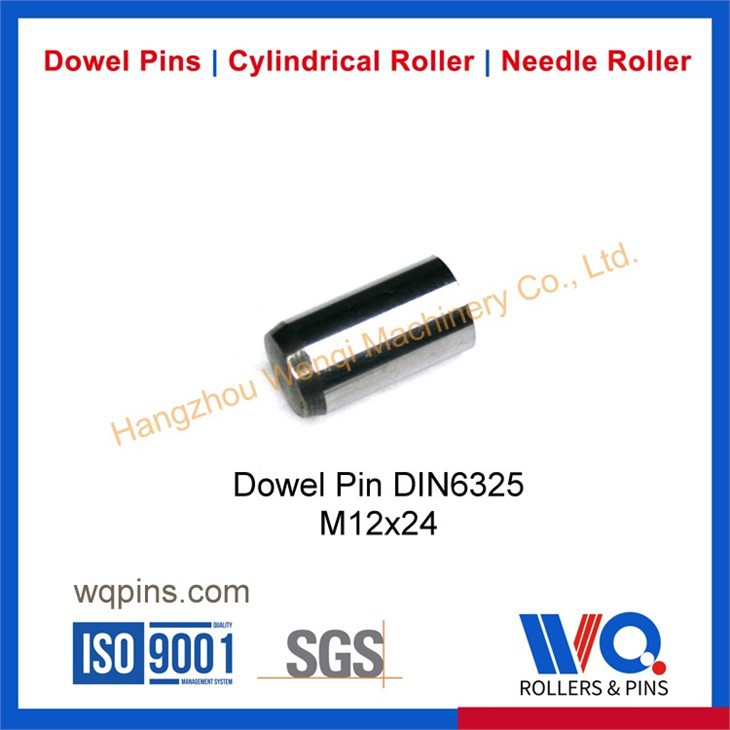

- Understand Your Application: Determine the type of load the dowel pin will be subjected to, such as static or dynamic loads, and the magnitude of the load. This will help you select a pin with the appropriate bending strength.
- Consider the Material: Choose a material that has the required mechanical properties for your application. For example, if high strength and corrosion resistance are required, stainless steel dowel pins may be a good choice.
- Check the Dimensions: Select a dowel pin with the appropriate diameter and length to ensure it can withstand the bending forces. Refer to the manufacturer's specifications or consult with an engineer if you are unsure.
- Verify the Quality: Look for dowel pins that have been tested and certified to meet industry standards. This will ensure that the pins have the required bending strength and other mechanical properties.
Conclusion
The bending strength of dowel pins is a critical factor in ensuring the reliability and performance of various assemblies. By understanding the factors that affect bending strength, testing methods, and how to select the right dowel pins for your application, you can make informed decisions and ensure the success of your projects. As a dowel pins supplier, we are committed to providing high-quality products that meet the most demanding requirements. If you have any questions or need assistance in selecting the right dowel pins for your application, please feel free to contact us for a detailed consultation and procurement discussion.
References
- Callister, W. D., & Rethwisch, D. G. (2017). Materials Science and Engineering: An Introduction. Wiley.
- Shigley, J. E., Mischke, C. R., & Budynas, R. G. (2004). Mechanical Engineering Design. McGraw-Hill.
- ASTM International. (2019). Standard Test Methods for Flexural Properties of Unreinforced and Reinforced Plastics and Electrical Insulating Materials. ASTM D790.