


Preventing a 2.5mm dowel pin from loosening is a crucial concern in various industries, from manufacturing to construction. As a trusted 2.5mm dowel pin supplier, I understand the significance of ensuring the stability and reliability of these small yet essential components. In this blog post, I'll share some effective strategies and techniques to prevent 2.5mm dowel pins from loosening, drawing on my industry experience and knowledge.
Understanding the Causes of Loosening
Before we delve into prevention methods, it's important to understand why dowel pins might loosen in the first place. Several factors can contribute to this issue:
- Vibration: Machinery and equipment often generate vibrations during operation. Over time, these vibrations can cause dowel pins to gradually loosen.
- Thermal Expansion and Contraction: Temperature changes can lead to the expansion and contraction of materials. If the dowel pin and the surrounding components have different coefficients of thermal expansion, it can result in loosening.
- Improper Installation: Incorrect installation, such as using the wrong size drill bit or not pressing the dowel pin in tightly enough, can lead to a loose fit.
- Wear and Tear: Continuous use and friction can cause the dowel pin and the mating holes to wear down, reducing the interference fit and leading to loosening.
Choosing the Right Dowel Pin
The first step in preventing loosening is to choose the right dowel pin for the application. We offer a wide range of 2.5mm dowel pins, including Mining Equipment Dowel Pins, High-load Dowel Pins, and Metal Dowel Pins With Head. Each type is designed for specific applications and offers different levels of strength and durability.
- Material: Dowel pins are available in various materials, such as steel, stainless steel, and brass. The choice of material depends on the application requirements, including the level of corrosion resistance, strength, and hardness needed.
- Size and Tolerance: Ensuring the correct size and tolerance of the dowel pin is crucial for a proper fit. A dowel pin that is too small will not provide a secure fit, while one that is too large can cause damage to the mating holes.
- Surface Finish: A smooth surface finish can reduce friction and wear, helping to prevent loosening. Some dowel pins are also coated with materials such as zinc or nickel to improve corrosion resistance.
Proper Installation Techniques
Proper installation is key to preventing dowel pins from loosening. Here are some important installation tips:
- Prepare the Holes: Use a drill bit that is the correct size for the dowel pin. The holes should be clean, straight, and free of debris. Deburring the holes can also help to ensure a smooth fit.
- Press Fit: Use a press or a hammer and a punch to install the dowel pin. Apply even pressure to ensure that the dowel pin is fully seated in the hole. Avoid using excessive force, as this can damage the dowel pin or the mating holes.
- Alignment: Make sure the dowel pin is properly aligned with the mating holes. Misalignment can cause uneven stress on the dowel pin, leading to loosening.
- Use Adhesives: In some cases, using an adhesive can help to secure the dowel pin in place. Choose an adhesive that is compatible with the materials of the dowel pin and the mating components. Apply the adhesive evenly to the dowel pin and the holes before installation.
Additional Securing Methods
In addition to proper installation, there are several additional methods that can be used to prevent dowel pins from loosening:
- Locking Washers: Locking washers can be used to provide additional friction and prevent the dowel pin from rotating or vibrating loose. There are different types of locking washers available, such as split washers and toothed washers.
- Threaded Dowel Pins: Threaded dowel pins can be used in applications where a more secure connection is required. The threads provide a mechanical lock, preventing the dowel pin from loosening.
- Retaining Rings: Retaining rings can be used to hold the dowel pin in place. They are typically installed in a groove in the dowel pin or the mating component.
- Staking: Staking involves deforming the material around the dowel pin to hold it in place. This can be done using a punch or a special staking tool.
Maintenance and Inspection
Regular maintenance and inspection can help to detect and prevent dowel pin loosening. Here are some maintenance tips:
- Visual Inspection: Periodically inspect the dowel pins for signs of wear, damage, or loosening. Look for any signs of movement, such as gaps or misalignment.
- Tightening: If a dowel pin is found to be loose, it may be possible to tighten it using a press or a hammer and a punch. However, if the dowel pin is severely worn or damaged, it should be replaced.
- Lubrication: In some cases, lubricating the dowel pin and the mating holes can help to reduce friction and wear. Choose a lubricant that is compatible with the materials of the dowel pin and the mating components.
Conclusion
Preventing a 2.5mm dowel pin from loosening requires a combination of choosing the right dowel pin, proper installation techniques, additional securing methods, and regular maintenance and inspection. By following these strategies, you can ensure the stability and reliability of your dowel pin connections, reducing the risk of equipment failure and downtime.
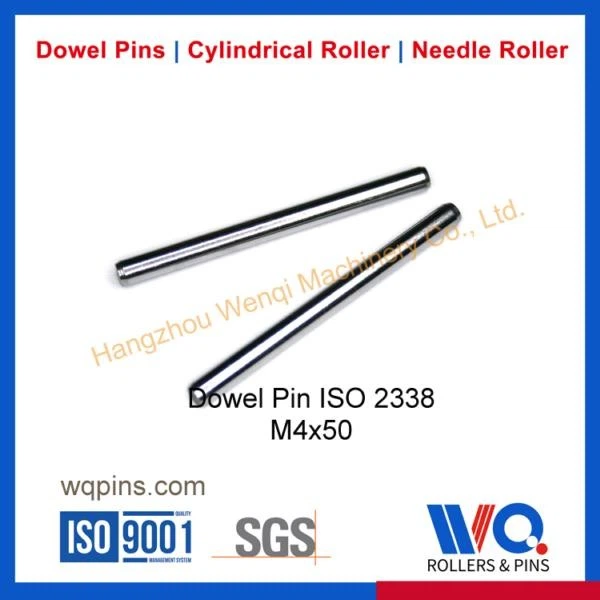

As a 2.5mm dowel pin supplier, we are committed to providing high-quality products and expert advice to help you solve your fastening challenges. If you have any questions or need assistance in choosing the right dowel pin for your application, please don't hesitate to contact us for a procurement discussion. We look forward to working with you to meet your dowel pin needs.
References
- Machinery's Handbook, 31st Edition
- Fastener and Fixing Handbook, 2nd Edition
- ASME B18.8.2 - Dowel Pins