



Hey there! I'm stoked to share with you all the ins and outs of installing a 3mm dowel pin. As a supplier of these nifty little pins, I've seen firsthand how they can make a huge difference in various projects. So, let's dive right in!
What's a 3mm Dowel Pin Anyway?
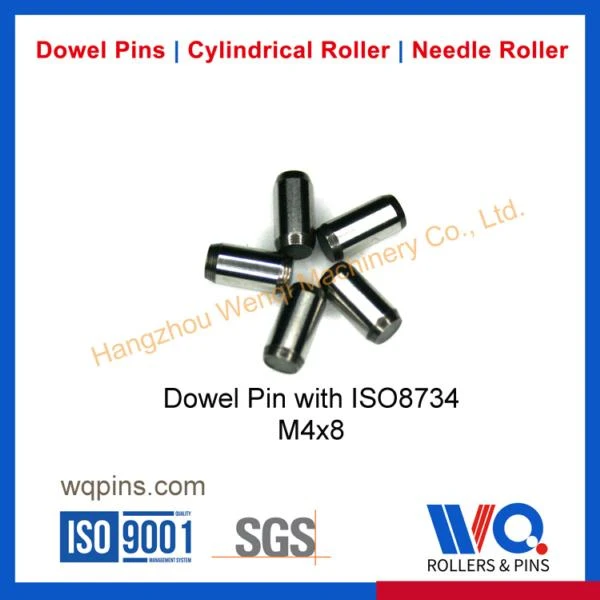
Before we get into the installation process, let's quickly go over what a 3mm dowel pin is. A dowel pin is a small, cylindrical rod that's used to align and hold two or more parts together. The 3mm refers to its diameter, which is a pretty common size for a wide range of applications. These pins are made from different materials like steel, stainless steel, and brass, each with its own set of properties. For instance, 316 Stainless Steel Dowel Pin is super corrosion-resistant, making it great for outdoor or wet environments.
Tools You'll Need
Installing a 3mm dowel pin isn't too complicated, but you'll need a few tools to get the job done right. Here's what you'll need:
- Drill and Drill Bit: You'll need a drill bit that's exactly 3mm in diameter. This is crucial because the hole needs to be a perfect fit for the dowel pin.
- Hammer: A small hammer will come in handy for tapping the dowel pin into place.
- Vice or Clamp: This will help you hold the parts steady while you're drilling and inserting the pin.
- Measuring Tape or Caliper: To make sure you're drilling the holes in the right place and at the correct depth.
- Lubricant: A little bit of lubricant can make it easier to insert the dowel pin into the hole.
Step-by-Step Installation Process
Now that you've got your tools ready, let's walk through the installation process step by step.
Step 1: Mark the Hole Locations
First things first, you need to mark where you want to drill the holes for the dowel pin. Use a measuring tape or caliper to measure and mark the exact locations on both parts that you want to join. Make sure the marks are accurate, as any mistakes here can cause problems later on.
Step 2: Secure the Parts
Once you've marked the hole locations, use a vice or clamp to secure the parts together. This will prevent them from moving around while you're drilling, ensuring that the holes line up perfectly.
Step 3: Drill the Holes
Now it's time to drill the holes. Insert the 3mm drill bit into the drill and carefully drill through both parts at the marked locations. Make sure to drill straight and at a consistent speed. If you're drilling through a hard material, you might need to use a lubricant to prevent the drill bit from overheating.
Step 4: Clean the Holes
After drilling the holes, use a brush or compressed air to clean out any debris or shavings. This will ensure that the dowel pin fits snugly into the holes.
Step 5: Apply Lubricant
Apply a small amount of lubricant to the dowel pin and the inside of the holes. This will make it easier to insert the pin and reduce the risk of damage to the parts.
Step 6: Insert the Dowel Pin
Place the dowel pin into one of the holes and use a hammer to gently tap it into place. Make sure the pin is inserted all the way through both parts and is flush with the surface. If the pin doesn't go in easily, don't force it. Check to make sure the holes are the correct size and that there's no debris blocking the way.
Step 7: Check the Alignment
Once the dowel pin is inserted, check to make sure the parts are aligned correctly. If necessary, use a hammer or mallet to tap the parts into place until they're perfectly aligned.
Common Applications of 3mm Dowel Pins
3mm dowel pins are used in a wide variety of applications, from woodworking to machinery. Here are some common uses:
- Woodworking: Dowel pins are often used in woodworking to join pieces of wood together. They provide a strong, stable connection and can be used to create joints that are both functional and aesthetically pleasing.
- Machinery: In the world of machinery, dowel pins are used to align and hold parts in place. They're commonly used in engines, gearboxes, and other mechanical components.
- Packaging Equipment: Packaging Equipment Dowel Pins are specifically designed for use in packaging machinery. They help to ensure that the different parts of the equipment are aligned correctly, improving the efficiency and reliability of the packaging process.
- Tooling: Tooling Alignment Pin are used in tooling applications to align and secure different parts of a tool. This helps to ensure that the tool functions correctly and produces accurate results.
Tips and Tricks
Here are some tips and tricks to help you install 3mm dowel pins like a pro:
- Use a Pilot Hole: If you're drilling into a hard material, it's a good idea to start with a smaller pilot hole before drilling the full 3mm hole. This will help to prevent the drill bit from wandering and make it easier to drill a straight hole.
- Don't Over-Tighten: When tapping the dowel pin into place, don't over-tighten it. This can cause the pin to break or damage the parts. Use a gentle, consistent tapping motion to insert the pin.
- Use the Right Material: Make sure you choose the right material for your dowel pin based on the application. For example, if you're using the pin in a high-stress environment, you might want to choose a stronger material like steel.
- Test the Connection: Once you've installed the dowel pin, test the connection to make sure it's strong and secure. If the parts move or wobble, you might need to recheck the alignment or insert a new dowel pin.
Conclusion
Installing a 3mm dowel pin is a relatively simple process that can make a big difference in your projects. By following the steps outlined in this blog post and using the right tools and techniques, you can ensure that your dowel pins are installed correctly and provide a strong, stable connection.

If you're in the market for high-quality 3mm dowel pins, we've got you covered. As a leading supplier of dowel pins, we offer a wide range of sizes and materials to meet your specific needs. Whether you're a DIY enthusiast or a professional contractor, we've got the products you need to get the job done right.
So, what are you waiting for? Contact us today to discuss your dowel pin requirements and let's get started on your next project!
References
- Machinery's Handbook, 31st Edition
- Woodworking Magazine, Various Issues
- Fastener Engineering Handbook