


Aligning multiple 8mm steel dowels is a crucial task in various industries, from woodworking to automotive manufacturing. As a supplier of 8mm steel dowels, I've witnessed firsthand the challenges and importance of proper alignment. In this blog post, I'll share some practical tips and techniques to help you achieve accurate alignment of multiple 8mm steel dowels.
Understanding the Basics of 8mm Steel Dowels
Before we dive into the alignment process, it's essential to understand what 8mm steel dowels are and their common applications. 8mm steel dowels are cylindrical rods made of high - quality steel. They are typically used to align two or more components precisely, ensuring a tight fit and accurate positioning. These dowels are widely used in furniture assembly, machinery manufacturing, and electronics for their strength, durability, and precise dimensions.
Pre - alignment Preparations
1. Inspect the Dowels
Before starting the alignment process, carefully inspect each 8mm steel dowel. Check for any signs of damage, such as bends, cracks, or rough edges. Damaged dowels can lead to misalignment and compromise the integrity of the assembly. If you find any defective dowels, replace them with new ones.
2. Clean the Dowel Holes
The holes where the dowels will be inserted must be clean and free of debris. Use a clean cloth or compressed air to remove any dust, dirt, or shavings from the holes. This step is crucial because even small particles can prevent the dowels from fitting properly and cause misalignment.
3. Mark the Holes
To ensure accurate alignment, mark the dowel holes on each component. You can use a pencil or a marker to make clear and visible marks. This will help you align the components correctly and insert the dowels in the right positions.
Alignment Techniques
1. Using a Dowel Jig
A dowel jig is a specialized tool designed to help you drill accurate dowel holes and align multiple dowels. It consists of a base with holes of the appropriate size and angle. Here's how to use a dowel jig for aligning 8mm steel dowels:
- Place the components to be joined on the dowel jig. Make sure they are positioned correctly and securely.
- Align the dowel jig with the marked holes on the components.
- Drill the holes using a drill bit that matches the diameter of the 8mm steel dowels. The dowel jig will guide the drill bit, ensuring that the holes are drilled at the correct angle and depth.
- Insert the dowels into the holes. The dowel jig helps to keep the dowels aligned during insertion.
2. Alignment Pins
In some cases, you may need additional assistance to align multiple dowels. Alignment pins can be used to ensure that the components are perfectly aligned before inserting the 8mm steel dowels. You can find Electronics Alignment Pins that are suitable for various applications.
- Insert the alignment pins into the holes on one component.
- Align the second component with the alignment pins. This will ensure that the holes in both components are perfectly aligned.
- Once the components are aligned, remove the alignment pins and insert the 8mm steel dowels.
3. Using a Template
A template can be a useful tool for aligning multiple dowels, especially when dealing with complex patterns or multiple components.
- Create a template using a piece of cardboard or plywood. Mark the positions of the dowel holes on the template according to your design.
- Place the template on the components and use it as a guide to drill the holes.
- The template ensures that the holes are drilled in the same positions on each component, making it easier to align the dowels.
Inserting the Dowels
1. Apply Lubrication
To make it easier to insert the 8mm steel dowels, apply a small amount of lubricant to the dowels and the holes. You can use a light oil or a specialized dowel lubricant. Lubrication reduces friction and helps the dowels slide into the holes smoothly.

2. Use a Hammer or a Press
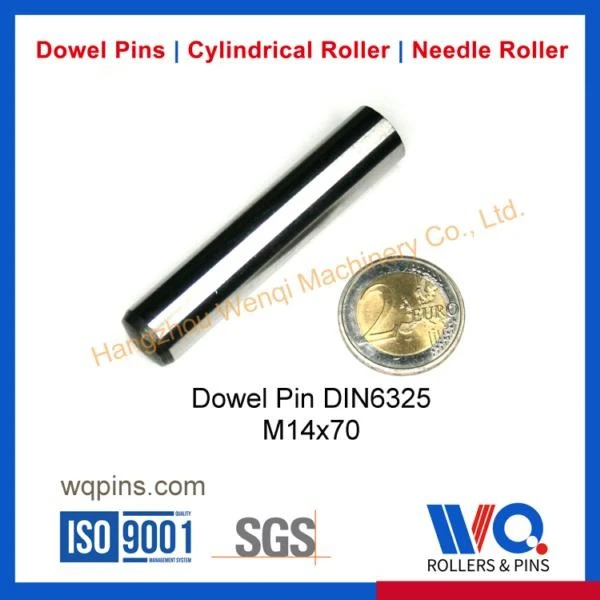
Once the components are aligned, insert the dowels into the holes. You can use a hammer to gently tap the dowels into place. Make sure to use a soft - faced hammer to avoid damaging the dowels. If you're working on a large - scale project or need a more precise fit, you can use a press to insert the dowels. A press applies even pressure, ensuring that the dowels are inserted evenly and without distortion.
Quality Control
After inserting the dowels, it's important to perform a quality check to ensure that the alignment is accurate.
- Check the alignment visually. Look for any signs of misalignment, such as gaps between the components or dowels that are not flush with the surface.
- Try to move the components slightly. If they move freely or there is excessive play, it may indicate a misalignment. In this case, you may need to remove the dowels and realign the components.
Other Related Dowel Products
In addition to 8mm steel dowels, we also offer a wide range of other dowel products. For example, 14mm Cylindrical Pins are suitable for applications that require larger dowels. These pins are made of high - quality steel and offer excellent strength and durability.
Another product is Clutch Lever Retaining Pins. These pins are specifically designed for use in clutch lever assemblies, providing reliable retention and alignment.
Conclusion
Aligning multiple 8mm steel dowels requires careful preparation, the right tools, and attention to detail. By following the steps outlined in this blog post, you can achieve accurate alignment and ensure the success of your assembly project. If you have any questions about 8mm steel dowels or need assistance with your alignment needs, don't hesitate to contact us. We are here to provide you with high - quality dowels and expert advice. Whether you're a professional manufacturer or a DIY enthusiast, we can help you find the right solutions for your projects. Reach out to us today to start a discussion about your dowel requirements and explore how our products can meet your needs.
References
- "Fastener Handbook" by Industrial Fasteners Institute
- "Woodworking for Beginners" by Popular Woodworking Magazine