



As a supplier of 10mm dowel pins, I often encounter inquiries about various technical aspects of these products. One question that frequently comes up is: "What is the thermal expansion coefficient of a 10mm dowel pin?" In this blog post, I will delve into this topic, providing you with a comprehensive understanding of the thermal expansion coefficient of 10mm dowel pins and its implications.

Understanding Thermal Expansion
Thermal expansion is a fundamental physical phenomenon where materials change in size or volume in response to temperature variations. When a material is heated, its atoms and molecules gain energy and start to vibrate more vigorously. This increased movement causes the material to expand. Conversely, when the material is cooled, the atoms and molecules have less energy, and the material contracts.
The thermal expansion of a material is quantified by its thermal expansion coefficient (CTE), which is defined as the fractional change in length or volume per unit change in temperature. There are two main types of thermal expansion coefficients: the linear thermal expansion coefficient (α), which measures the change in length, and the volumetric thermal expansion coefficient (β), which measures the change in volume. For most solids, the relationship between the linear and volumetric thermal expansion coefficients is approximately β = 3α.
Factors Affecting the Thermal Expansion Coefficient of Dowel Pins
The thermal expansion coefficient of a 10mm dowel pin depends on several factors, including the material from which it is made, its microstructure, and any surface treatments or coatings.
Material Composition
The material is the primary determinant of the thermal expansion coefficient. Different materials have different atomic structures and bonding characteristics, which result in varying degrees of thermal expansion. Common materials used for dowel pins include steel, stainless steel, brass, and aluminum, each with its own unique thermal expansion coefficient.
- Steel: Steel is a widely used material for dowel pins due to its high strength and durability. The thermal expansion coefficient of carbon steel typically ranges from 10 to 13 × 10⁻⁶ /°C. Stainless steel, which contains chromium and other alloying elements, has a slightly higher thermal expansion coefficient, usually around 16 × 10⁻⁶ /°C.
- Brass: Brass is an alloy of copper and zinc, known for its good corrosion resistance and machinability. The thermal expansion coefficient of brass is relatively high, ranging from 18 to 20 × 10⁻⁶ /°C.
- Aluminum: Aluminum is a lightweight metal with excellent thermal conductivity. Its thermal expansion coefficient is even higher than that of brass, typically around 23 × 10⁻⁶ /°C.
Microstructure
The microstructure of a dowel pin can also affect its thermal expansion coefficient. Heat treatment processes, such as annealing, quenching, and tempering, can alter the grain size and distribution of the material, which in turn influences its thermal expansion behavior. For example, a fine-grained microstructure may have a slightly different thermal expansion coefficient compared to a coarse-grained one.
Surface Treatments and Coatings
Surface treatments and coatings can modify the thermal expansion characteristics of a dowel pin. For instance, a coating with a different thermal expansion coefficient than the base material can create internal stresses when the temperature changes, potentially affecting the performance and dimensional stability of the dowel pin.
Implications of Thermal Expansion in Dowel Pin Applications
The thermal expansion of dowel pins can have significant implications in various applications, especially those where precise alignment and dimensional stability are critical.
Assembly and Disassembly
During the assembly process, temperature variations can cause the dowel pins to expand or contract, affecting the fit between the pin and the mating parts. If the temperature changes significantly after assembly, the dowel pin may become loose or too tight, leading to misalignment or even damage to the components. Similarly, during disassembly, thermal expansion can make it difficult to remove the dowel pin, especially if it has been installed in a tight-fitting hole.
Precision Machinery
In precision machinery, such as machine tools and optical instruments, even small changes in the dimensions of dowel pins due to thermal expansion can have a significant impact on the accuracy and performance of the equipment. For example, in a high-precision milling machine, a slight expansion or contraction of the dowel pins used for alignment can result in errors in the machining process, leading to poor-quality parts.
High-Temperature Environments
In high-temperature environments, such as in automotive engines or industrial furnaces, the thermal expansion of dowel pins can be a major concern. The increased temperature can cause the dowel pins to expand, potentially leading to interference with other components or even failure of the pin itself. In such applications, it is essential to select dowel pins with a low thermal expansion coefficient and to design the system to accommodate the expected thermal expansion.
Selecting the Right Dowel Pin for Your Application
When selecting a 10mm dowel pin for your application, it is important to consider the thermal expansion coefficient along with other factors such as strength, corrosion resistance, and cost. Here are some tips to help you make the right choice:
Evaluate the Operating Conditions
Determine the temperature range and environmental conditions in which the dowel pin will be used. If the application involves significant temperature variations, choose a material with a low thermal expansion coefficient to minimize the effects of thermal expansion.
Consider the Fit and Tolerance Requirements
The fit between the dowel pin and the mating parts is crucial for proper alignment and functionality. Ensure that the thermal expansion of the dowel pin does not compromise the fit within the specified temperature range. You may need to adjust the tolerance or clearance to accommodate the expected thermal expansion.
Consult with a Supplier
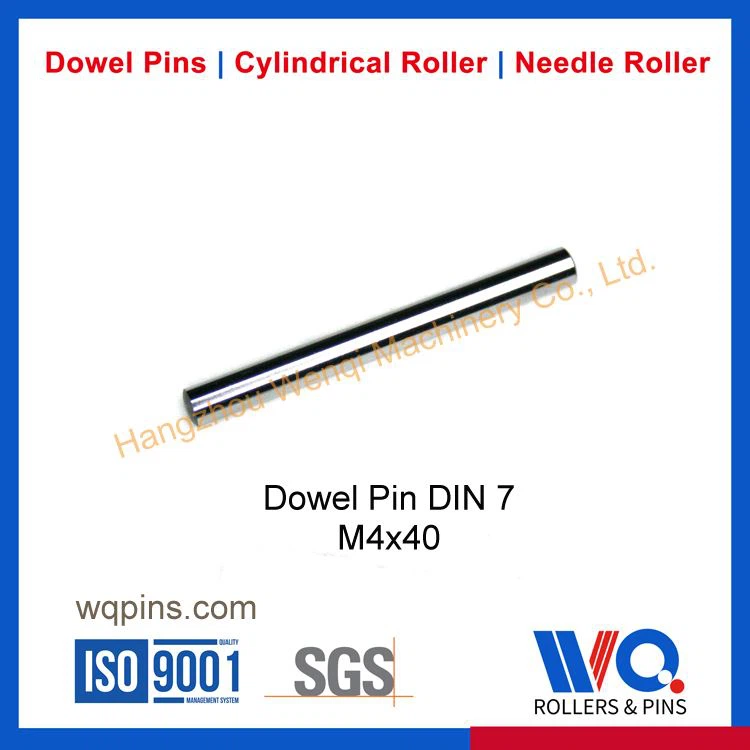
As a [Supplier's role] of 10mm dowel pins, I have extensive knowledge and experience in selecting the right materials and designs for various applications. I can provide you with technical advice and guidance to help you choose the most suitable dowel pin for your specific needs. You can explore our High-quality Dowel Pins for a wide range of options. Additionally, if you are looking for different sizes, our 18mm Cylindrical Pins and Steel Dowel Pin DIN7 might be of interest.
Conclusion
The thermal expansion coefficient of a 10mm dowel pin is an important factor to consider in various applications, as it can affect the performance, dimensional stability, and reliability of the system. By understanding the factors that influence the thermal expansion coefficient and its implications, you can make informed decisions when selecting dowel pins for your specific needs.
If you have any questions or need further assistance in choosing the right dowel pins for your application, please feel free to contact me. I am committed to providing you with high-quality products and excellent customer service. Let's work together to ensure the success of your projects.
References
- Callister, W. D., & Rethwisch, D. G. (2017). Materials Science and Engineering: An Introduction. Wiley.
- ASM Handbook, Volume 2: Properties and Selection: Nonferrous Alloys and Special-Purpose Materials. ASM International.
- Machinery's Handbook, 31st Edition. Industrial Press.