


Hey there! As a supplier of Dowel Pin H6, I often get asked about the temperature range for these little guys to work properly. So, I thought I'd put together a blog post to shed some light on this topic.

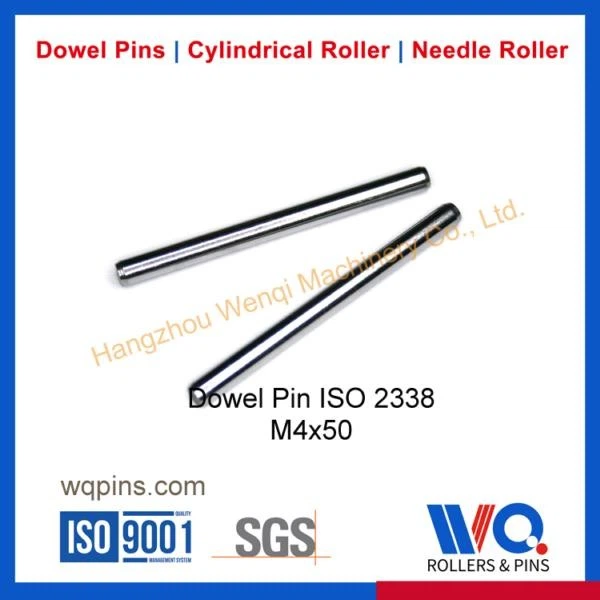
First off, let's talk a bit about Dowel Pin H6. It's a precision part used in a ton of different applications. Whether you're in the automotive industry, manufacturing, or any field that requires accurate alignment and positioning, Dowel Pin H6 is likely on your radar. We're talking about everything from aligning machine parts to securing components in an engine.
When it comes to the temperature range for Dowel Pin H6 to work well, it's mainly determined by the material it's made of. Most of the Dowel Pin H6 we supply is crafted from high - quality steel. Steel is a great choice because it's strong, durable, and has a relatively good thermal expansion coefficient.
For steel Dowel Pin H6, the normal working temperature range is typically from - 20°C to 120°C. At temperatures below - 20°C, steel can become brittle. This brittleness can increase the risk of the dowe pin cracking or breaking under stress. Imagine a cold, winter morning in a car factory. If the temperature is way below - 20°C and you're using Dowel Pin H6 to align engine parts, the pins might not be as reliable as you'd like. They could crack during installation or while the engine is running, which would be a real headache for everyone involved.
On the other hand, when the temperature goes above 120°C, steel starts to experience thermal expansion. This means that the size of the Dowel Pin H6 will change, and it might not fit as precisely as it should. Think about a machine that's been running continuously for hours, generating a lot of heat. If the temperature inside the machine jumps above 120°C, the Dowel Pin H6 could expand, causing looseness or misalignment in the parts it's supposed to hold together. This can lead to decreased performance, increased wear and tear on the surrounding components, and possible breakdowns.
However, there are some special cases. If you need Dowel Pin H6 to work in more extreme temperature environments, there are alternative materials available. For example, in very high - temperature applications, we might use a heat - resistant alloy. These alloys can handle temperatures well above 120°C, sometimes up to several hundred degrees Celsius. They're designed to have a much lower thermal expansion rate, so the pins can maintain their shape and functionality even when things get hot.
On the flip side, for cryogenic applications where temperatures can drop well below - 20°C, we have pins made from materials that are specifically designed to resist embrittlement at low temperatures. These materials are often more expensive, but they're a must - have if you're operating in an environment like a research lab that uses extremely cold temperatures for experiments.
Now, let's talk about real - world applications. In the automotive industry, Dowel Pin H6 is used in many places, like in the Crankshaft Dowel Pin. The engine can generate a significant amount of heat, especially during high - performance driving or long - distance trips. So, the pins used in this area need to be able to withstand the temperature fluctuations within the engine's normal operating range, which is usually between 80°C - 100°C. If the pins can't handle these temperatures, it could cause problems with the engine's timing and performance.
In the manufacturing sector, Machine Bed Aligning Pins play a crucial role in ensuring that machine tools are accurately aligned. These machines can also generate heat during operation. The temperature inside a machine shop can vary depending on the season and the intensity of production. So, using Dowel Pin H6 that can operate within the expected temperature range is vital to maintaining the precision of the machining process.
When it comes to international standards, ISO 2338 Dowel Pins set some general guidelines for the manufacturing and performance of dowel pins. While the standard doesn't specifically state a strict temperature range, it does emphasize the importance of the pins being manufactured to high - quality standards to ensure reliable performance under different conditions, including temperature variations.
I hope this information gives you a better understanding of the temperature range for Dowel Pin H6 to work properly. If you're in the market for Dowel Pin H6, whether it's for normal operating conditions or extreme temperature applications, we've got the right solutions for you. We can advise you on the best material based on your specific temperature requirements.
If you have any questions or if you're ready to start a purchase, don't hesitate to reach out. We're here to make sure you get the best Dowel Pin H6 for your needs. Let's have a chat and see how we can help you out with your dowel pin requirements!
References
- General engineering knowledge about dowel pins and temperature effects on materials.
- Industry experience in supplying Dowel Pin H6 to various sectors.