


As a trusted supplier of DIN 6325 Pins, I am often asked about the minimum and maximum weight of these precision-engineered components. Understanding the weight parameters is crucial for various applications, from automotive to aerospace, as it directly impacts the overall performance and safety of the systems in which they are used. In this blog post, I will delve into the factors that determine the weight of DIN 6325 Pins, explore the minimum and maximum weight ranges, and provide insights into how these weights can affect your projects.
Factors Affecting the Weight of DIN 6325 Pins
The weight of a DIN 6325 Pin is primarily determined by three key factors: material, diameter, and length. Let's take a closer look at each of these factors and how they contribute to the overall weight of the pin.
Material
The choice of material is one of the most significant factors influencing the weight of a DIN 6325 Pin. Different materials have varying densities, which directly affect the weight of the pin. Common materials used for DIN 6325 Pins include carbon steel, stainless steel, and alloy steel.
- Carbon Steel: Carbon steel is a popular choice for DIN 6325 Pins due to its high strength and relatively low cost. It has a density of approximately 7.85 g/cm³, which means that pins made from carbon steel will be heavier than those made from materials with lower densities.
- Stainless Steel: Stainless steel is known for its corrosion resistance and durability, making it suitable for applications in harsh environments. The density of stainless steel varies depending on the specific alloy, but it typically ranges from 7.75 to 8.05 g/cm³. Pins made from stainless steel will generally be slightly heavier than those made from carbon steel.
- Alloy Steel: Alloy steel is a type of steel that contains additional elements such as chromium, nickel, and molybdenum to enhance its mechanical properties. The density of alloy steel can vary widely depending on the specific alloy composition, but it is typically similar to that of carbon steel.
Diameter
The diameter of a DIN 6325 Pin also plays a significant role in determining its weight. As the diameter increases, the cross-sectional area of the pin increases, resulting in a greater volume of material and a higher weight. The weight of a pin is proportional to the square of its diameter, which means that a small increase in diameter can lead to a significant increase in weight.
Length
The length of a DIN 6325 Pin is another important factor that affects its weight. Longer pins require more material, resulting in a higher weight. The weight of a pin is directly proportional to its length, which means that doubling the length of a pin will approximately double its weight.
Minimum and Maximum Weight Ranges
The minimum and maximum weight of a DIN 6325 Pin can vary depending on the specific dimensions and material used. However, I can provide some general guidelines based on the typical range of sizes and materials available for these pins.
Minimum Weight
The minimum weight of a DIN 6325 Pin is typically determined by the smallest available diameter and length. For example, a pin with a diameter of 1 mm and a length of 5 mm made from carbon steel would have a minimum weight of approximately 0.03 grams. However, it's important to note that the actual minimum weight may vary depending on the manufacturing process and the specific requirements of the application.
Maximum Weight
The maximum weight of a DIN 6325 Pin is limited by the physical properties of the material and the manufacturing capabilities. As the diameter and length of the pin increase, the weight also increases, but there comes a point where the pin becomes too heavy to be practical or feasible to manufacture.
For example, a pin with a diameter of 50 mm and a length of 200 mm made from carbon steel would have a maximum weight of approximately 3.08 kilograms. However, it's important to note that pins of this size and weight are relatively rare and may require special manufacturing processes and equipment.
Impact of Weight on Applications
The weight of a DIN 6325 Pin can have a significant impact on the performance and safety of the systems in which it is used. Here are some key considerations to keep in mind:
Mechanical Performance
The weight of a pin can affect its mechanical performance, particularly in applications where high precision and accuracy are required. Heavier pins may require more force to insert and remove, which can increase the risk of damage to the pin or the mating components. Additionally, the weight of the pin can affect its dynamic behavior, such as its vibration and resonance characteristics, which can impact the overall performance of the system.
Safety
In some applications, the weight of a pin can have a direct impact on safety. For example, in aerospace and automotive applications, where weight is a critical factor, using pins that are too heavy can increase the overall weight of the vehicle or aircraft, which can affect its fuel efficiency and performance. Additionally, in applications where the pin is used to support heavy loads, using a pin that is too light may result in failure or deformation, which can pose a safety risk.
Cost
The weight of a pin can also affect its cost. Heavier pins require more material, which can increase the cost of production. Additionally, the cost of shipping and handling heavier pins may be higher, which can add to the overall cost of the project.
Choosing the Right Weight for Your Application
When choosing a DIN 6325 Pin for your application, it's important to consider the specific requirements of the application and select a pin with the appropriate weight. Here are some tips to help you make the right choice:
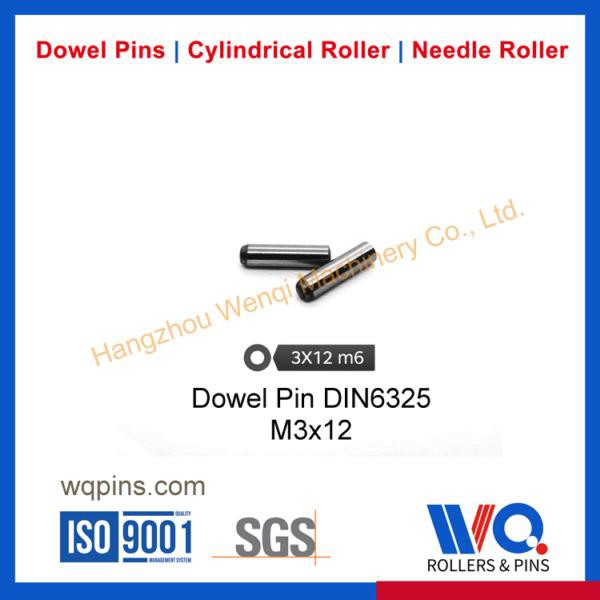

Consider the Application Requirements
The first step in choosing the right weight for your application is to understand the specific requirements of the application. Consider factors such as the load capacity, the operating environment, and the required precision and accuracy. This will help you determine the minimum and maximum weight limits for the pin.
Evaluate the Material Options
As discussed earlier, the choice of material can have a significant impact on the weight of the pin. Consider the specific properties of each material and choose the one that best meets the requirements of your application. For example, if corrosion resistance is a critical factor, you may want to choose a pin made from stainless steel.
Consult with a Professional
If you're unsure about which weight of DIN 6325 Pin is right for your application, it's always a good idea to consult with a professional. A knowledgeable supplier or engineer can help you evaluate your options and recommend the best pin for your specific needs.
Conclusion
In conclusion, the minimum and maximum weight of a DIN 6325 Pin is determined by a variety of factors, including the material, diameter, and length. Understanding these factors and their impact on the weight of the pin is crucial for choosing the right pin for your application. By considering the specific requirements of your application and consulting with a professional, you can select a DIN 6325 Pin that provides the optimal balance of weight, performance, and cost.
If you're in the market for high-quality DIN 6325 Pins, Cylindrical Pin DIN 6325 we are your trusted supplier. We offer a wide range of DIN 6325 Pins in various sizes, materials, and finishes to meet your specific requirements. Our pins are manufactured to the highest quality standards and undergo rigorous testing to ensure their reliability and performance.
For more information about our 304 Stainless Steel Dowel Pins products or to discuss your specific needs, please feel free to contact us. We look forward to working with you and helping you find the perfect solution for your project.
References
- DIN 6325 Standard
- Material Science and Engineering Textbooks