


As a supplier of 16mm dowel pins, I often encounter questions from customers about the technical aspects of these products. One of the most frequently asked questions is, "What is the friction coefficient of a 16mm dowel pin?" In this blog post, I will delve into this topic, providing a comprehensive understanding of the friction coefficient of 16mm dowel pins.
Understanding Dowel Pins
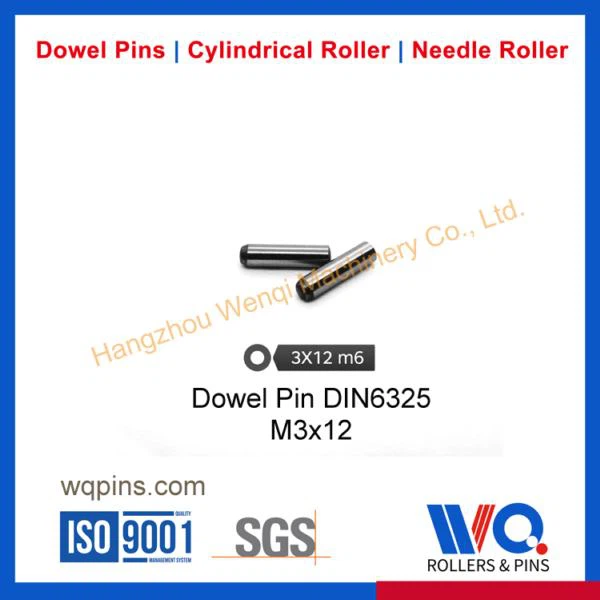
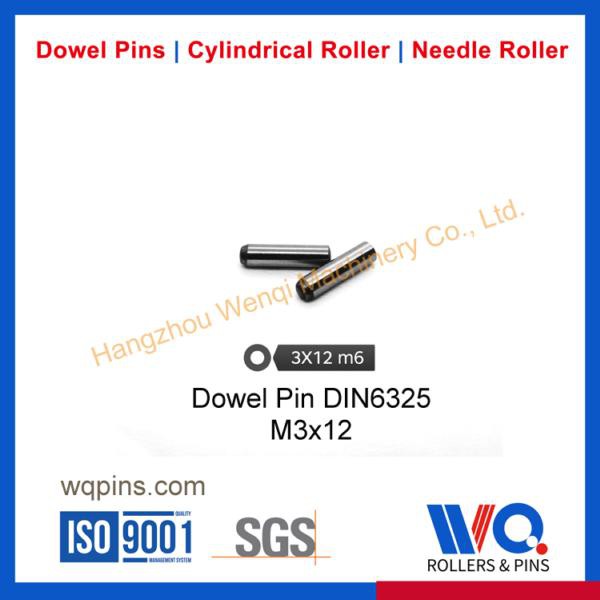
Before we discuss the friction coefficient, let's first understand what dowel pins are. Dowel pins are cylindrical rods, usually made of metal, plastic, or wood, used to align and join two or more components. They are designed to fit precisely into holes in the components, providing a secure and accurate connection. The 16mm dowel pin, as the name suggests, has a diameter of 16 millimeters and is commonly used in various industries, including automotive, machinery, and furniture manufacturing.
What is the Friction Coefficient?
The friction coefficient is a dimensionless quantity that represents the ratio of the force of friction between two surfaces to the normal force pressing the surfaces together. In the context of a 16mm dowel pin, the friction coefficient is crucial as it determines the pin's ability to hold the components together. A higher friction coefficient means more friction between the pin and the hole, resulting in a more secure connection.
Factors Affecting the Friction Coefficient of a 16mm Dowel Pin
Several factors can influence the friction coefficient of a 16mm dowel pin. These include:
Material
The material of the dowel pin and the components it is connecting plays a significant role in determining the friction coefficient. For example, a steel dowel pin inserted into a steel component will have a different friction coefficient compared to a plastic dowel pin in a wooden component. Steel has a relatively high friction coefficient, which can provide a strong grip when used with compatible materials. On the other hand, plastic dowel pins may have a lower friction coefficient but can be beneficial in applications where corrosion resistance or electrical insulation is required.
Surface Finish
The surface finish of the dowel pin and the hole also affects the friction coefficient. A smooth surface finish will generally result in lower friction, while a rough surface can increase the friction. However, an overly rough surface can also cause damage to the components or make it difficult to insert the dowel pin. Manufacturers often optimize the surface finish to achieve the right balance between friction and ease of installation.
Lubrication
The presence of lubricants can significantly reduce the friction coefficient. Lubricants such as oil or grease can create a thin film between the dowel pin and the hole, reducing the direct contact and friction. In some applications, lubrication may be desirable to facilitate easy installation and removal of the dowel pin. However, in other cases, a dry, unlubricated connection may be preferred to ensure a high friction coefficient and a more secure joint.
Fit Tolerance
The fit tolerance between the dowel pin and the hole is another important factor. A tight fit will generally result in a higher friction coefficient as there is more contact pressure between the surfaces. However, if the fit is too tight, it can lead to excessive stress on the components and make installation difficult. Conversely, a loose fit will reduce the friction coefficient and may result in a less secure connection.
Measuring the Friction Coefficient of a 16mm Dowel Pin
Measuring the friction coefficient of a 16mm dowel pin can be a complex process. It typically involves applying a known normal force to the pin and measuring the force required to move it relative to the hole. This can be done using specialized equipment such as a friction tester. However, in practical applications, the friction coefficient is often estimated based on the material properties, surface finish, and fit tolerance.
Importance of the Friction Coefficient in Different Applications
The friction coefficient of a 16mm dowel pin is crucial in various applications. Here are some examples:
Automotive Industry
In the automotive industry, dowel pins are used to align engine components, transmission parts, and body panels. A high friction coefficient is essential to ensure that these components remain securely in place, even under high vibrations and dynamic loads. For example, a Water Pump Pin needs to have a reliable friction coefficient to prevent leakage and ensure proper operation of the water pump.
Machinery Manufacturing
In machinery manufacturing, dowel pins are used to align and secure machine parts such as gears, shafts, and bearings. A precise friction coefficient is necessary to maintain the accuracy and stability of the machinery. Precision Ground Dowel Pins are often used in these applications due to their high accuracy and consistent friction characteristics.
Furniture Manufacturing
In furniture manufacturing, dowel pins are used to join wooden components. The friction coefficient determines the strength and durability of the joints. A suitable friction coefficient ensures that the furniture pieces stay together, even with regular use and movement. Small Diameter Dowel Pins are commonly used in furniture assembly, and their friction coefficient is carefully considered to achieve the desired joint strength.
Our Offerings as a 16mm Dowel Pin Supplier
As a supplier of 16mm dowel pins, we understand the importance of the friction coefficient in different applications. We offer a wide range of dowel pins made from various materials, including steel, stainless steel, and brass, to meet the diverse needs of our customers. Our dowel pins are manufactured with high precision and quality control to ensure consistent friction coefficients.
We also provide customized solutions based on your specific requirements. Whether you need a dowel pin with a specific friction coefficient, surface finish, or fit tolerance, we can work with you to develop the right product. Our team of experts can provide technical support and advice to help you choose the most suitable dowel pin for your application.
Conclusion
The friction coefficient of a 16mm dowel pin is a critical parameter that affects its performance and suitability for different applications. Understanding the factors that influence the friction coefficient, such as material, surface finish, lubrication, and fit tolerance, is essential for selecting the right dowel pin. As a 16mm dowel pin supplier, we are committed to providing high-quality products with consistent friction characteristics. If you have any questions or need further information about our dowel pins, please feel free to contact us. We look forward to discussing your requirements and working with you to find the best solution for your project.
References
- Machinery's Handbook, 31st Edition
- ASME Standards on Fasteners and Joints
- ASTM Standards for Dowel Pins