


Hey everyone! As a supplier of 6mm steel dowels, I often get asked about the differences between 6mm steel dowels and 6mm aluminum dowels. So, I thought I'd put together this blog post to break it all down for you.
Let's start with the basics. Dowel pins are small, cylindrical rods that are used to align two or more parts in a machine or structure. They're super important because they help ensure that everything fits together just right. Now, when it comes to 6mm dowel pins, you have two main options: steel and aluminum.
First up, let's talk about 6mm steel dowels. Steel is a metal alloy made primarily of iron and carbon, with other elements added in to give it specific properties. One of the biggest advantages of steel dowels is their strength. Steel is incredibly strong and can withstand a lot of stress and pressure without bending or breaking. This makes it ideal for applications where you need a dowel that can handle heavy loads or frequent use.
For example, in industrial machinery, 6mm steel dowels are often used to align moving parts and prevent them from shifting out of place. They can also be found in automotive engines, where they help ensure that the various components are properly aligned and working together smoothly. In construction, steel dowels are used to connect concrete elements and provide additional support.
Another great thing about steel dowels is their durability. Steel is resistant to wear and tear, corrosion, and high temperatures. This means that your 6mm steel dowel will last a long time, even in harsh environments. It won't rust or degrade easily, so you won't have to worry about replacing it often.
However, steel dowels do have some drawbacks. One of the main ones is their weight. Steel is a heavy metal, so 6mm steel dowels can add a significant amount of weight to a project. This can be a problem if you're working on something that needs to be lightweight, like an aircraft or a portable device.
Steel dowels can also be more expensive than aluminum dowels. The cost of steel is relatively high, and the manufacturing process for steel dowels can be complex. This means that you may have to pay more for a 6mm steel dowel than you would for an aluminum one.
Now, let's take a look at 6mm aluminum dowels. Aluminum is a lightweight metal that is known for its excellent strength-to-weight ratio. This means that aluminum dowels can provide a good amount of strength while still being relatively light. This makes them ideal for applications where weight is a concern.
For example, in the aerospace industry, 6mm aluminum dowels are commonly used to align components in aircraft structures. The lightweight nature of aluminum helps to reduce the overall weight of the aircraft, which can improve fuel efficiency and performance. Aluminum dowels are also used in the automotive industry, where they can help reduce the weight of vehicles and improve their handling.

Another advantage of aluminum dowels is their corrosion resistance. Aluminum naturally forms a thin oxide layer on its surface, which helps to protect it from rust and corrosion. This makes aluminum dowels a great choice for applications that are exposed to moisture or other corrosive substances.
In addition, aluminum dowels are often easier to work with than steel dowels. Aluminum is a softer metal, so it can be machined more easily and shaped into different forms. This can make the manufacturing process for aluminum dowels quicker and more cost-effective.
However, aluminum dowels also have some limitations. One of the main ones is their lower strength compared to steel dowels. Aluminum is not as strong as steel, so 6mm aluminum dowels may not be able to handle as much stress or pressure. This means that they may not be suitable for applications where heavy loads or high-strength are required.
Aluminum dowels are also more prone to deformation. Since aluminum is a softer metal, it can bend or warp more easily than steel. This can be a problem if you need a dowel that will maintain its shape and alignment over time.
To summarize, the main differences between a 6mm steel dowel and a 6mm aluminum dowel are as follows:
- Strength: Steel dowels are stronger and can handle heavier loads than aluminum dowels.
- Weight: Aluminum dowels are lighter than steel dowels, making them ideal for applications where weight is a concern.
- Durability: Steel dowels are more durable and resistant to wear, corrosion, and high temperatures than aluminum dowels.
- Cost: Steel dowels are generally more expensive than aluminum dowels.
- Machinability: Aluminum dowels are easier to machine and shape than steel dowels.
If you're still not sure which type of dowel is right for your project, I'd be happy to help. I've been in the business of supplying 6mm steel dowels for many years, and I have a lot of experience and knowledge in this area. I can help you evaluate your needs and choose the dowel that will work best for you.
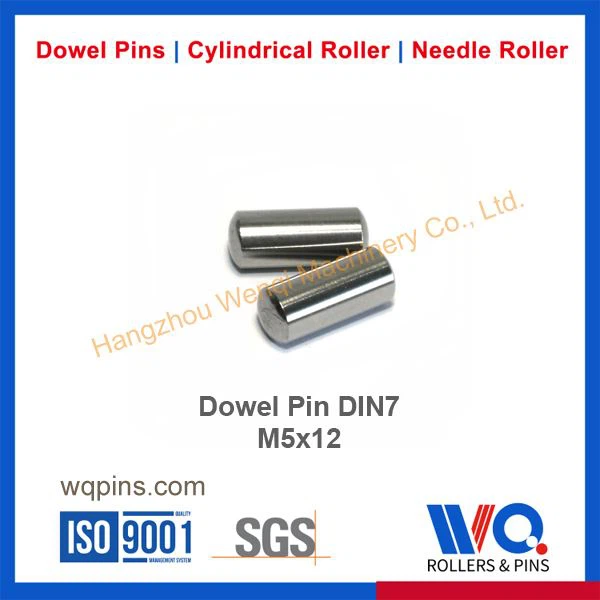
At our company, we offer a wide range of Heat-treated Parallel Pins and Slip-Fit Dowel Pins in various sizes and materials. We also have 5 mm Cylinder Pins DIN 7 and other related products. Whether you need a few dowels for a small project or a large quantity for an industrial application, we can provide you with high-quality products at competitive prices.
If you're interested in learning more about our 6mm steel dowels or have any questions about the differences between steel and aluminum dowels, please don't hesitate to contact me. I'd love to have a chat with you and help you find the right solution for your needs. Let's start a conversation and see how we can work together on your next project!
References:
- Basic Machinery's Handbook
- Metal Fabrication: A Practical Guide