


As a dedicated supplier of 10mm dowel pins, I'm thrilled to take you through the intricate manufacturing processes that bring these essential components to life. Dowel pins play a crucial role in various industries, providing precise alignment and location for parts in machinery, furniture, and countless other applications. In this blog, we'll explore the step-by-step journey of creating a high-quality 10mm dowel pin.
Raw Material Selection
The first and perhaps most critical step in the manufacturing process is the selection of the raw material. For 10mm dowel pins, we typically use high-quality steel, such as carbon steel or stainless steel. Carbon steel is known for its strength and durability, making it suitable for most general applications. Stainless steel, on the other hand, offers excellent corrosion resistance, making it ideal for use in harsh environments or applications where hygiene is a concern.
The choice of raw material also depends on the specific requirements of the dowel pin. For example, if the pin needs to be heat-treated to achieve a certain hardness, we'll select a steel grade that is suitable for heat treatment. Additionally, we'll ensure that the raw material meets all relevant industry standards and specifications.
Cutting the Raw Material
Once the raw material has been selected, the next step is to cut it into the appropriate length. This is typically done using a saw or a cutting machine. The length of the dowel pin will depend on the specific application and the requirements of the customer.
During the cutting process, it's important to ensure that the cuts are clean and precise. Any rough edges or burrs can affect the performance of the dowel pin and may cause problems during installation. To achieve clean cuts, we use high-quality cutting tools and techniques, and we carefully monitor the cutting process to ensure that the pins are cut to the correct length.
Turning and Machining
After the raw material has been cut to the appropriate length, the next step is to turn and machine the dowel pin to its final shape. This is typically done using a lathe or a machining center. The turning process involves rotating the dowel pin while a cutting tool removes material from the surface to create the desired shape.
During the turning process, we'll carefully control the dimensions of the dowel pin to ensure that it meets all relevant industry standards and specifications. This includes the diameter, the length, and the surface finish. We'll also use precision measuring tools to verify the dimensions of the dowel pin at various stages of the machining process.
In addition to turning, we may also perform other machining operations, such as drilling, tapping, or threading. These operations are typically used to create holes or threads in the dowel pin, which can be used for mounting or fastening purposes.
Heat Treatment
Depending on the specific requirements of the dowel pin, we may also perform a heat treatment process to improve its mechanical properties. Heat treatment involves heating the dowel pin to a specific temperature and then cooling it at a controlled rate. This process can improve the hardness, strength, and toughness of the dowel pin, making it more suitable for use in demanding applications.
There are several different types of heat treatment processes that can be used for dowel pins, including annealing, quenching, and tempering. The specific heat treatment process that we'll use will depend on the type of steel that we're using and the desired mechanical properties of the dowel pin.
Surface Finishing
After the dowel pin has been machined and heat-treated, the next step is to apply a surface finish. The surface finish can improve the appearance of the dowel pin, as well as its corrosion resistance and wear resistance. There are several different types of surface finishes that can be used for dowel pins, including plating, coating, and painting.
Plating involves depositing a thin layer of metal onto the surface of the dowel pin. This can improve the corrosion resistance and the appearance of the dowel pin. Common plating materials include zinc, nickel, and chrome.
Coating involves applying a thin layer of a protective material onto the surface of the dowel pin. This can improve the wear resistance and the corrosion resistance of the dowel pin. Common coating materials include epoxy, polyurethane, and powder coating.
Painting involves applying a layer of paint onto the surface of the dowel pin. This can improve the appearance of the dowel pin and provide some protection against corrosion. However, painting is typically not as effective as plating or coating in terms of corrosion resistance.
Quality Control
Throughout the manufacturing process, we'll perform a series of quality control checks to ensure that the dowel pins meet all relevant industry standards and specifications. This includes visual inspections, dimensional inspections, and mechanical property tests.
Visual inspections involve examining the dowel pin for any visible defects, such as cracks, scratches, or burrs. Dimensional inspections involve measuring the diameter, length, and other dimensions of the dowel pin using precision measuring tools to ensure that they meet the specified tolerances. Mechanical property tests involve testing the hardness, strength, and other mechanical properties of the dowel pin to ensure that they meet the required standards.

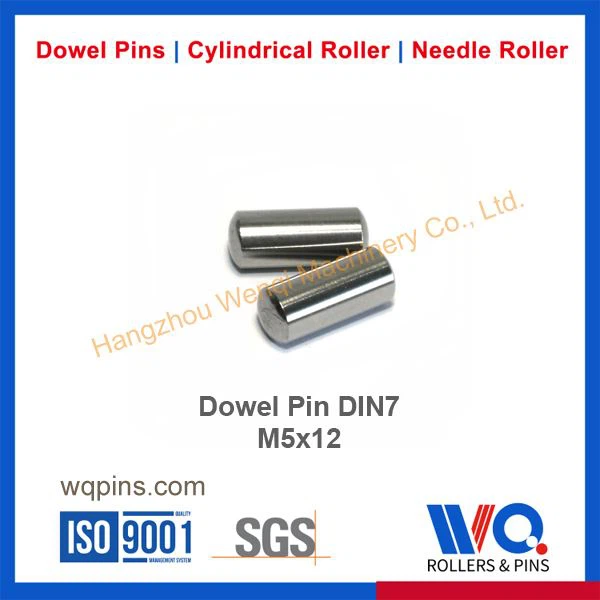
In addition to these in-house quality control checks, we also work closely with our customers to ensure that the dowel pins meet their specific requirements. We'll provide them with detailed product specifications and test reports, and we'll work with them to address any issues or concerns that they may have.
Packaging and Shipping
Once the dowel pins have passed all quality control checks, the next step is to package them for shipping. We'll use high-quality packaging materials to protect the dowel pins during transit and to ensure that they arrive at their destination in good condition.
The packaging will typically include a label with the product name, size, quantity, and other relevant information. We'll also include a packing slip and a certificate of conformance to provide our customers with all the necessary documentation.
Finally, we'll arrange for the dowel pins to be shipped to our customers using a reliable shipping carrier. We'll provide our customers with a tracking number so that they can monitor the progress of their shipment and ensure that it arrives on time.
Conclusion
In conclusion, the manufacturing process of a 10mm dowel pin is a complex and precise process that involves several steps, from raw material selection to packaging and shipping. At our company, we're committed to providing our customers with high-quality dowel pins that meet all relevant industry standards and specifications.
If you're in the market for 10mm dowel pins, we invite you to contact us to discuss your specific requirements. We'll work with you to understand your needs and provide you with a customized solution that meets your budget and timeline.
References
- Machinery's Handbook, 31st Edition
- American Society of Mechanical Engineers (ASME) Standards
- International Organization for Standardization (ISO) Standards