


When it comes to the world of fasteners, dowel pins play a crucial role in various industries. Among them, the 4mm dowel pin is a popular choice due to its versatility and wide range of applications. As a supplier of 4mm dowel pins, I often get asked the question: "Is Dowel Pin 4mm easy to install?" In this blog post, I'll delve into this topic, exploring the installation process, factors that affect ease of installation, and provide some practical tips.
Understanding the Basics of 4mm Dowel Pins
Before we discuss the installation process, it's important to understand what a 4mm dowel pin is. A dowel pin is a cylindrical rod, typically made of metal, plastic, or wood, used to align two or more components and prevent relative movement between them. The 4mm refers to the diameter of the pin, which is a common size used in many precision applications such as machinery, electronics, and furniture manufacturing.
The Installation Process of 4mm Dowel Pins
The installation of a 4mm dowel pin generally involves the following steps:
- Drilling the Holes: The first step is to drill holes in the components that need to be joined. The diameter of the holes should be slightly smaller than the diameter of the dowel pin to ensure a snug fit. For a 4mm dowel pin, a drill bit size of around 3.9 - 3.95mm is often recommended. This interference fit helps to hold the pin in place and provides a secure connection.
- Cleaning the Holes: After drilling, it's essential to clean the holes thoroughly to remove any debris or metal shavings. This can be done using compressed air or a brush. Any remaining debris can affect the fit of the dowel pin and compromise the integrity of the joint.
- Inserting the Dowel Pin: Once the holes are clean, the dowel pin can be inserted. This can be done using a hammer and a punch or a press. It's important to apply even pressure during insertion to ensure that the pin is straight and fully seated in the holes. If the pin is not inserted correctly, it can cause misalignment of the components and lead to premature failure.
Factors Affecting the Ease of Installation
While the basic installation process of a 4mm dowel pin may seem straightforward, several factors can affect how easy it is to install:
- Material of the Dowel Pin: The material of the dowel pin can have a significant impact on the installation process. For example, stainless steel dowel pins are harder and more resistant to corrosion than brass or plastic pins. However, they can also be more difficult to install due to their increased hardness. On the other hand, plastic dowel pins are softer and easier to insert, but they may not provide the same level of strength and durability as metal pins. You can explore Stainless Steel Locating Pins for more information on stainless - steel options.
- Precision of the Holes: The precision of the holes drilled in the components is crucial for easy installation. If the holes are not drilled to the correct diameter or depth, the dowel pin may not fit properly. In some cases, the holes may need to be re - drilled or reamed to achieve the desired fit. Additionally, the alignment of the holes in the different components must be accurate to ensure that the dowel pin can be inserted smoothly.
- Surface Finish: The surface finish of the dowel pin and the holes can also affect the installation process. A smooth surface finish on the pin and in the holes can reduce friction and make it easier to insert the pin. Conversely, a rough surface finish can cause the pin to get stuck or require more force to insert.
Tips for Easy Installation of 4mm Dowel Pins
Based on my experience as a supplier, here are some tips to make the installation of 4mm dowel pins easier:
- Use the Right Tools: Make sure you have the right tools for the job, including a drill with the correct drill bit size, a hammer, a punch, and a press if necessary. Using the wrong tools can damage the dowel pin or the components and make the installation process more difficult.
- Lubrication: Applying a small amount of lubricant, such as oil or grease, to the dowel pin can reduce friction and make it easier to insert. However, be careful not to use too much lubricant, as it can attract dirt and debris and affect the long - term performance of the joint.
- Test Fit: Before fully inserting the dowel pin, it's a good idea to do a test fit. This involves inserting the pin part - way into the holes to check the fit and alignment. If there are any issues, they can be addressed before the pin is fully installed.
Comparing with Other Dowel Pin Sizes
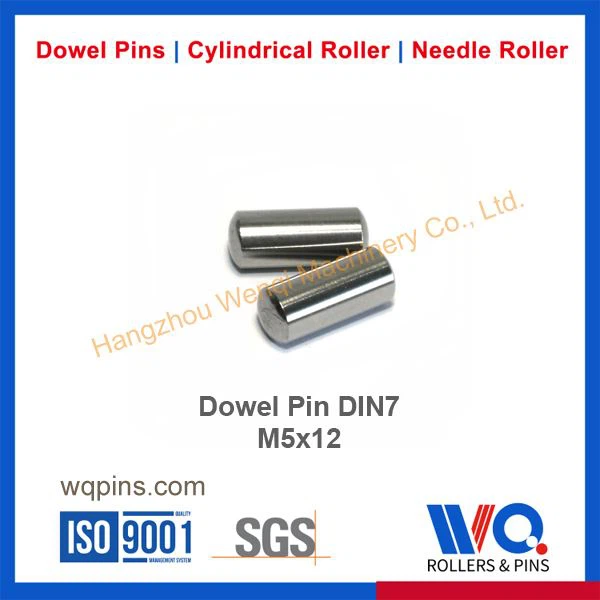
It's interesting to compare the installation of 4mm dowel pins with other sizes. For example, 5 mm Cylinder Pins DIN 7 are larger in diameter. Larger dowel pins generally require larger holes and more force to insert. However, they can also provide a stronger connection and are suitable for applications where higher loads need to be supported.
On the other hand, smaller dowel pins may be easier to insert due to their smaller size, but they may not be as strong and may not be suitable for heavy - duty applications. The choice of dowel pin size depends on the specific requirements of the application, including the load capacity, the size of the components, and the level of precision required.
Special Applications and Dowel Pins
In some special applications, such as Gearbox Assembly Dowel Pins, the installation of 4mm dowel pins needs to be even more precise. Gearboxes require high - precision alignment to ensure smooth operation and prevent premature wear. In such cases, the dowel pins must be installed with extreme care to ensure that the gears are properly aligned.
Conclusion
In conclusion, the installation of a 4mm dowel pin can be relatively easy if the proper steps are followed and the right factors are considered. While there are some challenges, such as ensuring the precision of the holes and dealing with different materials, with the right tools and techniques, it can be a straightforward process.
If you're in the market for high - quality 4mm dowel pins or have any questions about their installation, I encourage you to contact us for a procurement discussion. We have a wide range of dowel pins to meet your specific needs and can provide expert advice on installation and application.

References
- Machinery's Handbook, 31st Edition
- Fastener Technology Institute Publications