


Hey there! As a supplier of 12mm dowel pins, I've seen my fair share of issues with these little guys loosening up. It can be a real headache, whether you're working on a DIY project at home or running a big manufacturing operation. But don't worry, I'm here to share some tips on how to prevent that pesky 12mm dowel pin from loosening.
First off, let's understand why dowel pins loosen in the first place. There are a few common reasons. One is vibration. If your project is in an environment where there's a lot of shaking or movement, like a machine in a factory or a vehicle, the constant vibration can gradually make the dowel pin work its way loose. Another reason is improper installation. If the hole for the dowel pin isn't the right size or the pin isn't inserted correctly, it won't have a tight fit and will be more likely to come out. And then there's wear and tear over time. The repeated use of a joint with a dowel pin can cause the surfaces to wear down, reducing the grip and leading to loosening.
Now, let's get into the solutions.
Proper Installation
The key to preventing a 12mm dowel pin from loosening starts with proper installation. You need to make sure the hole you're inserting the pin into is the right size. It should be a snug fit, but not so tight that you have to force the pin in, as that can damage both the pin and the material around the hole. A good rule of thumb is to use a drill bit that's slightly smaller than the diameter of the dowel pin. For a 12mm dowel pin, you might want to use a 11.8mm or 11.9mm drill bit, depending on the material.
Before inserting the pin, clean the hole and the pin itself. Any dirt, debris, or grease can affect the fit and the holding power. You can use a clean cloth and some solvent to wipe them down. Then, gently tap the pin into the hole using a hammer and a block of wood to avoid damaging the pin. Make sure it's fully seated and flush with the surface.
Using Adhesives
Another great way to keep your 12mm dowel pin in place is by using adhesives. There are several types of adhesives that work well for dowel pins, such as epoxy, cyanoacrylate (super glue), and wood glue (if you're working with wood).
Epoxy is a strong and durable adhesive that can provide a very tight bond. It comes in two parts that you mix together, and once it cures, it forms a hard, rigid connection. Apply a small amount of epoxy to the dowel pin and insert it into the hole. Make sure to wipe off any excess adhesive that squeezes out around the edges.
Cyanoacrylate is a fast - acting adhesive that bonds quickly. It's great for small projects or when you need a quick fix. Just apply a drop or two to the pin and insert it right away.
Wood glue is ideal if you're using dowel pins in a woodworking project. It's designed to bond wood fibers together and can help keep the dowel pin firmly in place. Apply the glue to the pin and the inside of the hole, then insert the pin and clamp the joint until the glue dries.
Mechanical Fasteners
In addition to adhesives, you can also use mechanical fasteners to prevent the dowel pin from loosening. One option is to use a split pin or a cotter pin. These are small, U - shaped pins that you can insert through a hole in the dowel pin to hold it in place. They're easy to install and can provide an extra level of security.
Another mechanical solution is to use a circlip. Circlips are circular clips that fit into a groove around the dowel pin. They can prevent the pin from moving axially and keep it firmly in place. You can find parallel pins with circlip on our website Parallel Pins With Circlip.
Material Selection
The material of the dowel pin and the surrounding material also plays a role in preventing loosening. For example, if you're working in a high - vibration environment, you might want to choose a dowel pin made of a stronger and more durable material, like stainless steel or hardened steel. These materials can withstand the stress and vibration better than softer materials like brass or aluminum.
On the other hand, if you're working with a soft material like wood, you need to make sure the dowel pin is made of a material that won't damage the wood during installation. A dowel pin with a smooth surface and a slightly tapered end can be a good choice. You can explore our range of precision - engineered dowel pins on our website Precision - Engineered Dowel Pins.
Regular Maintenance
Even if you've installed your 12mm dowel pin correctly and used all the right techniques to prevent loosening, it's still a good idea to do some regular maintenance. Check the dowel pins periodically to make sure they're still tight. If you notice any signs of loosening, like a rattling sound or a visible gap around the pin, you can take action right away.
You can tighten the pin by gently tapping it back into place or by applying a small amount of adhesive if needed. And if the pin is too loose or damaged, it's better to replace it with a new one.
Other Considerations
There are a few other things to keep in mind when trying to prevent a 12mm dowel pin from loosening. For example, if you're using multiple dowel pins in a joint, make sure they're evenly spaced and aligned. Uneven spacing or misalignment can cause uneven stress on the pins, increasing the risk of loosening.
Also, consider the temperature and humidity of the environment where your project is located. Extreme temperatures or high humidity can affect the materials and cause them to expand or contract, which can in turn affect the fit of the dowel pin. If you're working in a harsh environment, you might need to take extra precautions, like using a protective coating on the dowel pin.
In conclusion, preventing a 12mm dowel pin from loosening requires a combination of proper installation, the use of adhesives or mechanical fasteners, careful material selection, and regular maintenance. By following these tips, you can ensure that your dowel pins stay in place and your projects stay strong.
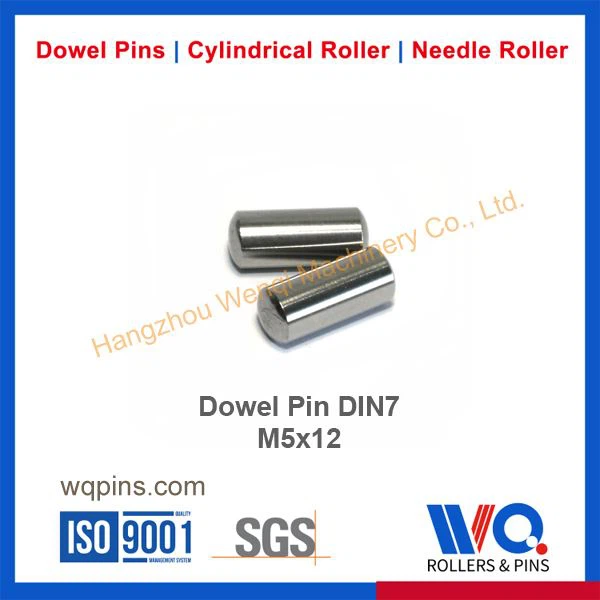
If you're in the market for high - quality 12mm dowel pins or other types of fastener pins, we're here to help. We offer a wide range of dowel pins, including 5 mm Cylinder Pins DIN 7. Contact us to discuss your specific requirements and start your procurement process. We're looking forward to working with you!

References
- Machinery's Handbook, 31st Edition
- Woodworking Magazine, various issues on fastener use
- Engineering Materials: Properties and Selection, by George E. Dieter