



Polishing a 10mm dowel pin is a meticulous process that requires a combination of the right tools, techniques, and a deep understanding of the material. As a supplier of 10mm dowel pins, I've witnessed firsthand the importance of a well - polished dowel pin in various applications. In this blog, I'll share some professional insights on how to polish a 10mm dowel pin effectively.
Understanding the Dowel Pin
Before we dive into the polishing process, it's essential to understand the different types of 10mm dowel pins available. We offer a wide range of dowel pins, including Straight Dowel Pin, Black Oxide Coated Dowel Pins, and Connector Housing Dowel Pins. Each type has its own characteristics and polishing requirements.
Straight dowel pins are the most common type. They are used for precise alignment in machinery and equipment. Black oxide coated dowel pins offer enhanced corrosion resistance, making them suitable for outdoor or harsh environments. Connector housing dowel pins are specifically designed for electrical and electronic applications, where a smooth surface is crucial for proper connection.
Tools Required for Polishing
To polish a 10mm dowel pin, you'll need the following tools:
- Polishing Compound: There are various types of polishing compounds available, such as diamond paste, aluminum oxide, and silicon carbide. The choice of compound depends on the material of the dowel pin and the desired level of finish.
- Polishing Wheel: A soft polishing wheel, such as a felt or cloth wheel, is ideal for applying the polishing compound and achieving a smooth surface.
- Lathe or Rotary Tool: A lathe or a rotary tool can be used to hold the dowel pin and rotate it at a controlled speed during the polishing process.
- Safety Equipment: Safety glasses, gloves, and a dust mask are essential to protect yourself from flying debris and polishing compound dust.
Step - by - Step Polishing Process
- Prepare the Dowel Pin: Start by cleaning the dowel pin thoroughly to remove any dirt, oil, or debris. You can use a degreaser or a mild detergent to clean the surface. Dry the dowel pin completely before proceeding.
- Mount the Dowel Pin: If you're using a lathe, mount the dowel pin securely in the chuck. Make sure it is centered and balanced to prevent vibration during rotation. If you're using a rotary tool, use a collet or a chuck to hold the dowel pin.
- Apply the Polishing Compound: Apply a small amount of polishing compound to the polishing wheel. Spread the compound evenly across the surface of the wheel using a brush or a cloth.
- Start Polishing: Turn on the lathe or the rotary tool and slowly bring the polishing wheel into contact with the dowel pin. Apply gentle pressure and move the wheel along the length of the dowel pin in a smooth, continuous motion. Keep the dowel pin rotating at a consistent speed.
- Change the Polishing Compound: As the surface of the dowel pin becomes smoother, you may need to change to a finer polishing compound for a higher level of finish. Repeat the polishing process with the new compound until you achieve the desired smoothness.
- Final Cleaning: Once you're satisfied with the polish, turn off the lathe or the rotary tool and remove the dowel pin. Clean the dowel pin again to remove any remaining polishing compound. You can use a clean cloth or a brush to wipe the surface.
Tips for a Better Polishing Result
- Start with a Coarse Compound: Begin the polishing process with a coarse polishing compound to remove any rough spots or scratches on the surface of the dowel pin. Then, gradually move to finer compounds for a smoother finish.
- Control the Pressure: Applying too much pressure during polishing can cause the dowel pin to overheat and damage the surface. Use a light touch and let the polishing compound do the work.
- Keep the Wheel Clean: Regularly clean the polishing wheel to remove any built - up polishing compound or debris. A clean wheel will ensure a more effective polishing process.
- Inspect the Surface: Periodically stop the polishing process and inspect the surface of the dowel pin under a bright light. Look for any remaining scratches or imperfections and continue polishing until the surface is smooth and uniform.
Quality Control
After polishing, it's important to perform a quality control check to ensure that the dowel pin meets the required specifications. You can use a surface roughness tester to measure the smoothness of the surface. The surface roughness should be within the acceptable range for the specific application.

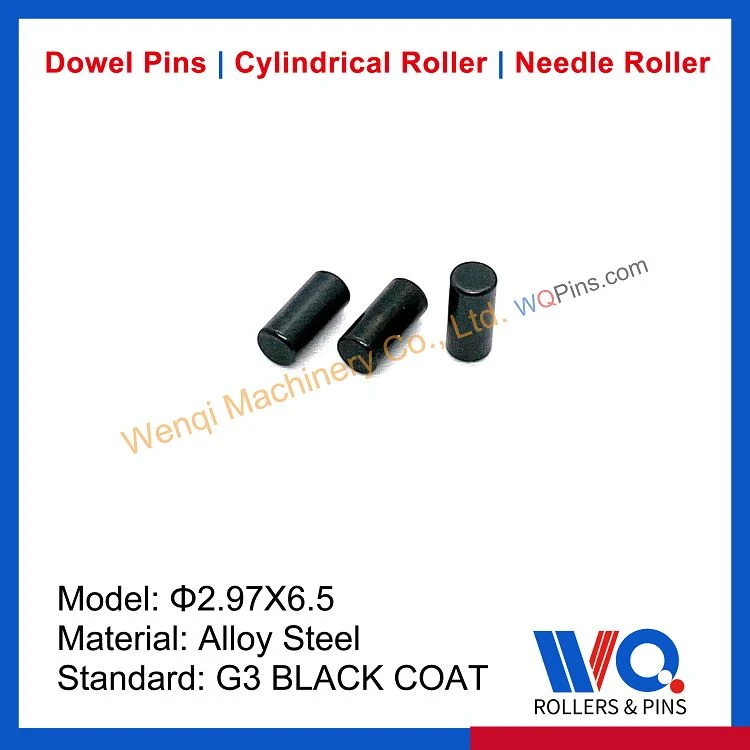
In addition, inspect the dowel pin for any signs of damage, such as cracks or chips. If any defects are found, the dowel pin should be either re - polished or discarded.
Importance of Polishing in Different Applications
In machinery and equipment, a well - polished dowel pin ensures precise alignment and reduces friction between moving parts. This can improve the overall performance and longevity of the machinery.
In electrical and electronic applications, a smooth surface on the dowel pin is essential for proper contact and conductivity. A rough surface can cause poor connection, leading to electrical problems and equipment failure.
In outdoor or harsh environments, a polished surface on black oxide coated dowel pins can enhance the corrosion resistance and prevent rust formation.
Contact for Purchase and Consultation
If you're in the market for high - quality 10mm dowel pins or need more information on polishing techniques, feel free to contact us. We're committed to providing our customers with the best products and services. Whether you have questions about the polishing process, the types of dowel pins available, or need a custom - made solution, our team of experts is here to assist you.
References
- ASM Handbook Volume 5: Surface Engineering.
- Machinery's Handbook, 31st Edition.
- Polishing and Finishing of Metals: A Practical Guide.