


Ensuring the proper fit of a metal dowel pin in a hole is a crucial aspect in various industries, from automotive to machinery manufacturing. As a dedicated metal dowel pin supplier, I've witnessed firsthand the significance of achieving that perfect fit. A well - fitted dowel pin not only enhances the structural integrity of an assembly but also ensures the smooth operation of machinery. In this blog, I'll share some key steps and considerations to help you achieve the proper fit of a metal dowel pin in a hole.
Understanding the Basics of Metal Dowel Pins
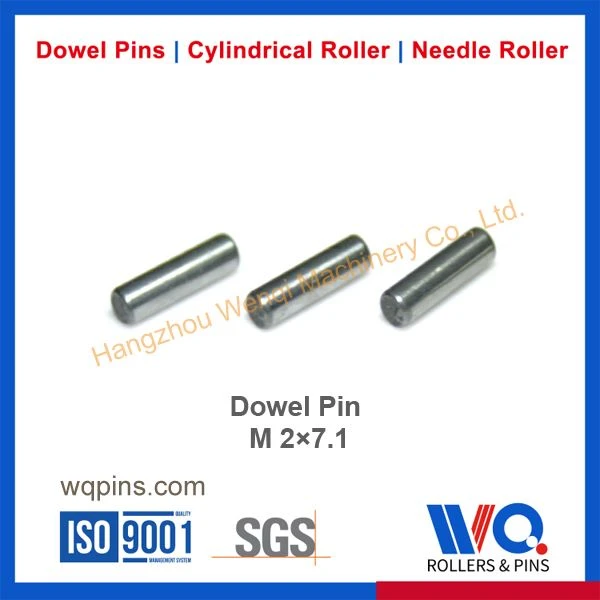
Before delving into the fitting process, it's essential to understand what metal dowel pins are. Metal dowel pins are cylindrical rods, typically made from materials like stainless steel, carbon steel, or brass. They are used to align two or more components accurately and prevent relative movement between them.
There are different types of dowel pins, such as straight pins and tapered pins. Straight pins are the most common and are used when a precise alignment is required. Tapered pins, on the other hand, are used when a more secure fit is needed, as they can be driven into a hole and create a tight interference fit.
Selecting the Right Dowel Pin
The first step in ensuring a proper fit is selecting the right dowel pin for the application. Consider the following factors:
Material
The material of the dowel pin should be compatible with the materials of the components it will be joining. For example, if you're working with a stainless - steel component, a stainless - steel dowel pin would be a good choice to prevent corrosion. Different materials also have different strength and hardness properties. Harder materials like hardened steel can withstand higher loads, while softer materials like brass may be more suitable for applications where galling needs to be avoided.
Size
The size of the dowel pin is critical. It includes the diameter and the length. The diameter of the dowel pin should match the diameter of the hole within a specified tolerance. A too - large diameter can cause the hole to crack or the pin to break during installation, while a too - small diameter will result in a loose fit, which defeats the purpose of using a dowel pin. The length of the dowel pin should be sufficient to provide adequate support and alignment but not so long that it interferes with other components.
For example, our 30mm Diameter Dowel is designed to meet specific industry requirements. It has a precise diameter and length, which are crucial for a proper fit in corresponding holes.
Type of Fit
There are three main types of fits: clearance fit, transition fit, and interference fit.
- Clearance Fit: In a clearance fit, the diameter of the dowel pin is slightly smaller than the diameter of the hole. This allows for easy installation and removal but provides less precise alignment and may not be suitable for applications where high accuracy is required.
- Transition Fit: A transition fit can result in either a clearance or an interference fit, depending on the actual dimensions of the pin and the hole. It offers a balance between ease of installation and a relatively tight fit.
- Interference Fit: An interference fit occurs when the diameter of the dowel pin is slightly larger than the diameter of the hole. This creates a tight connection that resists movement and provides excellent alignment. However, it requires more force to install the pin.
Preparing the Hole
Once you've selected the right dowel pin, the next step is to prepare the hole.
Hole Diameter
The hole diameter must be within the specified tolerance. You can use precision drilling or reaming to achieve the desired diameter. Reaming is a finishing process that can improve the accuracy and surface finish of the hole. Make sure to measure the hole diameter using a precision measuring tool, such as a micrometer or a bore gauge, to ensure it meets the requirements.
Hole Depth
The depth of the hole should be appropriate for the length of the dowel pin. It should be deep enough to accommodate the pin fully but not so deep that the pin bottoms out and causes damage. You can use a depth gauge to measure the hole depth accurately.
Surface Finish
The surface finish of the hole also affects the fit of the dowel pin. A smooth surface finish reduces friction during installation and can improve the overall performance of the dowel pin. You can use processes like honing or lapping to achieve a smooth surface finish.
Installing the Dowel Pin
After preparing the hole, it's time to install the dowel pin.

For Clearance Fit
If you're using a clearance fit, the dowel pin can be easily inserted into the hole by hand or with a light tap using a mallet. Make sure the pin is inserted straight to avoid any misalignment.
For Interference Fit
Installing a dowel pin with an interference fit requires more care. You can use a press to insert the pin slowly and evenly into the hole. A press can apply a controlled amount of force, which helps prevent damage to the pin or the components. Another method is to heat the component with the hole and cool the dowel pin. This causes the hole to expand and the pin to contract, making it easier to insert the pin. Once the components return to room temperature, a tight interference fit is achieved.
Testing the Fit
After installation, it's important to test the fit of the dowel pin. Check for any signs of misalignment, such as uneven gaps between the components. You can also perform a simple functional test to ensure that the assembly operates smoothly. If the dowel pin is used in a rotating or moving assembly, make sure there is no excessive play or binding.
Common Applications
Metal dowel pins are used in a wide range of applications. For example, Gear Lever Retainer Pin is used in automotive transmissions to ensure the proper alignment and operation of the gear lever. Cylinder Head Positioning Pins are crucial in engine assemblies to accurately position the cylinder head and ensure proper sealing and combustion.
Conclusion
Ensuring the proper fit of a metal dowel pin in a hole is a multi - step process that requires careful selection, preparation, and installation. By following the steps outlined in this blog, you can achieve a reliable and accurate fit. As a metal dowel pin supplier, we have a wide range of dowel pins to meet your specific needs. If you're looking for high - quality dowel pins or need advice on the right selection for your application, we're here to help. Contact us to start a procurement discussion and find the perfect dowel pin solution for your project.
References
- "Fasteners Handbook" by Industrial Press Inc.
- "Mechanical Engineering Design" by Joseph E. Shigley and Charles R. Mischke.