


How strong is an 18mm dowel pin?
In the world of mechanical engineering and construction, dowel pins are unsung heroes. These small cylindrical rods play a crucial role in aligning and joining components, ensuring that structures and machinery function smoothly. As a supplier of 18mm dowel pins, I often get asked about the strength of these seemingly simple yet highly effective fasteners. In this blog post, I'll delve into the factors that determine the strength of an 18mm dowel pin and why it might be the right choice for your project.
Understanding the Basics of Dowel Pins
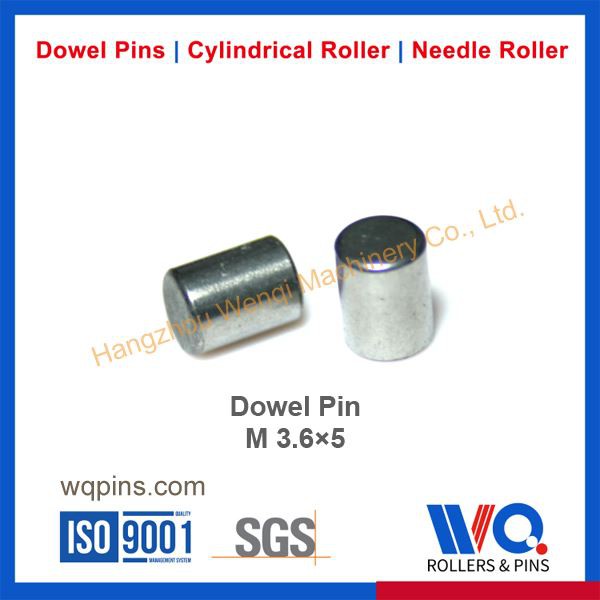
Before we discuss the strength of an 18 - mm dowel pin, let's first understand what a dowel pin is. A dowel pin is a cylindrical rod, typically made of metal, wood, or plastic, used to align two or more components in a structure. They are inserted into pre - drilled holes in the parts to be joined, providing a precise and secure connection. The 18mm measurement refers to the diameter of the dowel pin, which is a relatively large size and is often used in heavy - duty applications.

Factors Affecting the Strength of an 18mm Dowel Pin
Material
The material from which the dowel pin is made is one of the most significant factors influencing its strength. Common materials for dowel pins include steel, stainless steel, brass, and aluminum.
- Steel Dowel Pins: Steel is a popular choice due to its high strength and durability. Carbon steel dowel pins, in particular, offer excellent tensile and shear strength, making them suitable for applications where heavy loads are expected. For example, in industrial machinery, steel dowel pins can withstand the constant vibrations and forces exerted during operation.
- Stainless Steel Dowel Pins: Stainless steel is resistant to corrosion, which makes it ideal for applications in harsh environments. Although stainless steel dowel pins may have slightly lower strength compared to carbon steel in some cases, their corrosion resistance can be a deciding factor in outdoor or marine applications.
- Brass Dowel Pins: Brass is a softer material than steel, but it offers good electrical conductivity and is resistant to tarnishing. Brass dowel pins are often used in applications where electrical conductivity is required, such as in electrical enclosures.
- Aluminum Dowel Pins: Aluminum is lightweight and has good corrosion resistance. However, it has lower strength compared to steel. Aluminum dowel pins are commonly used in applications where weight is a concern, such as in aerospace or automotive industries.
Heat Treatment
Heat treatment can significantly enhance the strength of a dowel pin. Processes like quenching and tempering can increase the hardness and toughness of the material. For steel dowel pins, heat treatment can improve their ability to withstand shear and tensile forces. A properly heat - treated 18mm steel dowel pin can have a much higher load - bearing capacity than an untreated one.
Surface Finish
The surface finish of a dowel pin can also affect its strength. A smooth surface finish reduces friction during installation and can prevent damage to the pin and the mating parts. Additionally, a good surface finish can improve the corrosion resistance of the dowel pin, especially in stainless steel or brass pins.
Measuring the Strength of an 18mm Dowel Pin
Shear Strength
Shear strength is the ability of a dowel pin to resist forces that act parallel to its cross - section. In a joint, shear forces can occur when two components are being pulled or pushed in opposite directions. The shear strength of an 18mm dowel pin depends on its material, diameter, and length. For example, a heat - treated 18mm steel dowel pin may have a shear strength of several thousand pounds, which allows it to hold together heavy - duty components.
Tensile Strength
Tensile strength is the ability of a dowel pin to resist forces that act to pull it apart. In applications where components are being pulled away from each other, the tensile strength of the dowel pin is crucial. Similar to shear strength, the tensile strength of an 18mm dowel pin is influenced by its material and heat treatment. A high - strength steel dowel pin can have a very high tensile strength, making it suitable for applications where large pulling forces are present.
Applications of 18mm Dowel Pins
Due to their relatively large size and potential for high strength, 18mm dowel pins are used in a variety of heavy - duty applications.
- Industrial Machinery: In manufacturing plants, 18mm dowel pins are used to align and secure components in large machinery. They ensure that the moving parts of the machine are properly positioned, reducing wear and tear and improving the overall efficiency of the equipment.
- Construction: In building construction, 18mm dowel pins can be used to connect structural elements, such as beams and columns. They provide a strong and stable connection, helping to distribute the load evenly across the structure.
- Automotive Industry: In automotive manufacturing, 18mm dowel pins are used in engine components, transmission systems, and suspension systems. They play a vital role in ensuring the proper alignment and functioning of these critical parts.
Comparing with Other Dowel Pin Sizes
When compared to smaller dowel pins, such as Metric Dowel Pin DIN 7 5m6x28, 18mm dowel pins generally have higher strength. The larger diameter provides a greater cross - sectional area, which can withstand larger forces. However, smaller dowel pins may be more suitable for applications where space is limited or where less force is required. On the other hand, compared to even larger dowel pins, 18mm dowel pins offer a good balance between strength and size, making them a versatile choice for many applications.
Different Types of 18mm Dowel Pins
There are various types of 18mm dowel pins available, each with its own characteristics and applications.
- Bearing Dowel Pins: These dowel pins are designed to act as bearings, allowing for smooth rotation or movement between components. They are often used in applications where there is relative motion between parts, such as in hinges or pivots.
- ISO 2338 M4 Dowel Pins: These dowel pins conform to the ISO 2338 standard, which specifies the dimensions and tolerances for dowel pins. They are commonly used in precision engineering applications where accurate alignment is required.
Conclusion
In conclusion, the strength of an 18mm dowel pin is determined by several factors, including its material, heat treatment, and surface finish. These dowel pins offer high shear and tensile strength, making them suitable for a wide range of heavy - duty applications in industrial machinery, construction, and the automotive industry. Whether you need a strong and durable connection for large - scale equipment or a precise alignment for critical components, an 18mm dowel pin can be an excellent choice.
If you are in need of high - quality 18mm dowel pins for your project, I encourage you to reach out for a detailed discussion on your requirements. We can provide you with the right dowel pins that meet your specific needs in terms of strength, material, and application. Don't hesitate to contact us to start the procurement process and find the perfect solution for your project.
References
- Machinery's Handbook, 31st Edition
- ASME Standards on Fasteners
- Material Science and Engineering textbooks