


In the world of fasteners, knurled pins stand out as a remarkable solution for enhancing grip in various applications. As a leading supplier of knurled pins, I've witnessed firsthand the transformative impact these small yet powerful components can have on the functionality and reliability of a wide range of products. In this blog post, I'll delve into the science behind how knurled pins improve grip, explore their diverse applications, and highlight why they are an essential choice for engineers and manufacturers alike.
The Science of Knurling: How It Works
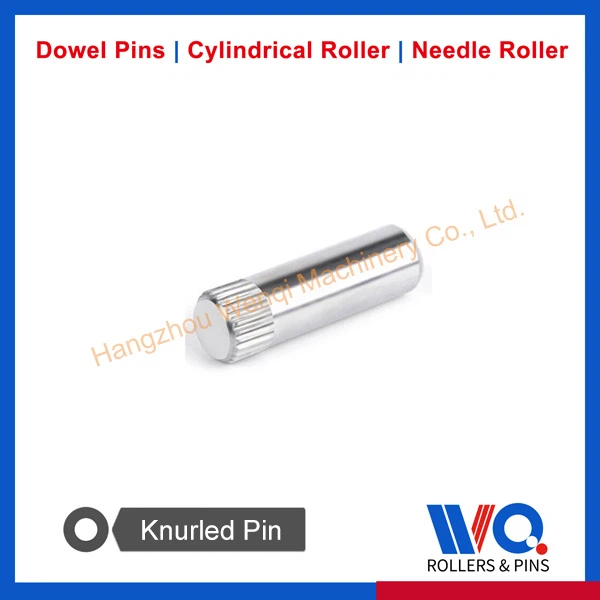
At the heart of a knurled pin's ability to improve grip lies the process of knurling itself. Knurling is a manufacturing technique that creates a pattern of small ridges or teeth on the surface of a pin. These patterns can take various forms, such as straight knurling, diamond knurling, or spiral knurling, each designed to optimize grip in different scenarios.
The primary function of these ridges is to increase the surface area of the pin in contact with the mating part. When a knurled pin is inserted into a hole or a mating surface, the ridges bite into the material, creating a mechanical interlock that resists movement. This interlock is far more effective than a smooth surface, which relies solely on friction to maintain its position.
Moreover, the knurling pattern can be engineered to provide specific levels of grip. For instance, a fine knurling pattern may be used when a gentle but secure hold is required, while a coarse knurling pattern can be employed for applications that demand a more robust grip. This flexibility allows engineers to tailor the knurled pin to the exact requirements of their design.
Applications of Knurled Pins
Knurled pins find applications in a wide range of industries, from automotive and aerospace to electronics and consumer goods. Here are some of the most common uses:
Automotive Industry
In the automotive industry, knurled pins are used in various components, such as engines, transmissions, and braking systems. For example, Half Knurled Dowel Pins are often used to secure gears and shafts, ensuring precise alignment and preventing slippage. The enhanced grip provided by the knurled surface helps to maintain the integrity of these critical components, even under high loads and vibrations.
Aerospace Industry
Aerospace applications demand the highest levels of reliability and precision. Knurled pins play a crucial role in this industry, where they are used in everything from aircraft engines to control systems. Dowel Hinge Pins are commonly used in aircraft doors and hatches, providing a secure and stable connection that can withstand the extreme conditions of flight.
Electronics Industry
In the electronics industry, knurled pins are used to secure printed circuit boards (PCBs) and other components. The precise grip provided by the knurled surface ensures that these components remain firmly in place, preventing damage from vibration and movement. Additionally, knurled pins can be used to align and position components during the assembly process, improving the overall efficiency and quality of production.
Consumer Goods
Knurled pins are also widely used in consumer goods, such as furniture, appliances, and tools. For example, Knurled Dowel Pins are often used in furniture assembly to provide a strong and durable connection between parts. The enhanced grip helps to prevent loosening over time, ensuring that the furniture remains stable and secure.
Advantages of Using Knurled Pins
There are several advantages to using knurled pins over other types of fasteners:
Improved Grip
As discussed earlier, the primary advantage of knurled pins is their ability to provide a superior grip. The mechanical interlock created by the knurling pattern ensures that the pin remains firmly in place, even under high loads and vibrations. This makes knurled pins ideal for applications where a secure hold is essential.
Easy Installation
Knurled pins are relatively easy to install, requiring only a simple press-fit operation. This makes them a cost-effective solution for mass production, as they can be quickly and efficiently installed using automated equipment.

Precision Alignment
The knurling pattern on the pin helps to ensure precise alignment with the mating part. This is particularly important in applications where accurate positioning is critical, such as in the aerospace and automotive industries.
Durability
Knurled pins are typically made from high-quality materials, such as stainless steel or alloy steel, which provide excellent strength and durability. The knurling pattern also helps to protect the surface of the pin from wear and corrosion, extending its service life.
Choosing the Right Knurled Pin
When choosing a knurled pin for your application, there are several factors to consider:
Knurling Pattern
As mentioned earlier, the knurling pattern can have a significant impact on the grip and performance of the pin. Consider the specific requirements of your application and choose a pattern that provides the appropriate level of grip.
Material
The material of the knurled pin should be selected based on the environmental conditions and the load requirements of your application. Stainless steel is a popular choice for its corrosion resistance, while alloy steel offers high strength and durability.
Size and Tolerance
Ensure that the size and tolerance of the knurled pin are compatible with the mating part. A precise fit is essential for optimal performance and reliability.
Contact Us for Your Knurled Pin Needs
As a trusted supplier of knurled pins, we offer a wide range of products to meet the diverse needs of our customers. Whether you're looking for Half Knurled Dowel Pins, Dowel Hinge Pins, or Knurled Dowel Pins, we have the expertise and the resources to provide you with the right solution.
If you have any questions or need assistance in choosing the right knurled pin for your application, please don't hesitate to contact us. Our team of experts is always ready to help you find the best product for your needs. Let's start a conversation about how our knurled pins can improve the grip and performance of your products.
References
- "Fastener Handbook" by H. A. Rothbart
- "Mechanical Design and Systems Handbook" by Myer Kutz
- Industry standards and specifications related to knurled pins