


In the world of mechanical engineering and manufacturing, fastening methods play a crucial role in ensuring the stability and functionality of various components. Among the numerous fastening solutions available, knurled pins stand out as a unique and effective option. As a supplier of knurled pins, I have witnessed firsthand the benefits and applications of these pins in comparison to other fastening methods. In this blog post, I will delve into the characteristics of knurled pins and how they stack up against alternative fastening techniques.
Understanding Knurled Pins
Knurled pins are cylindrical fasteners with a textured surface created by a process called knurling. This texture can take various forms, such as straight knurling, diamond knurling, or spiral knurling. The purpose of the knurling is to provide a better grip when the pin is inserted into a hole, ensuring a secure and tight fit. Knurled pins are typically made from materials like steel, stainless steel, brass, or aluminum, depending on the specific application requirements.

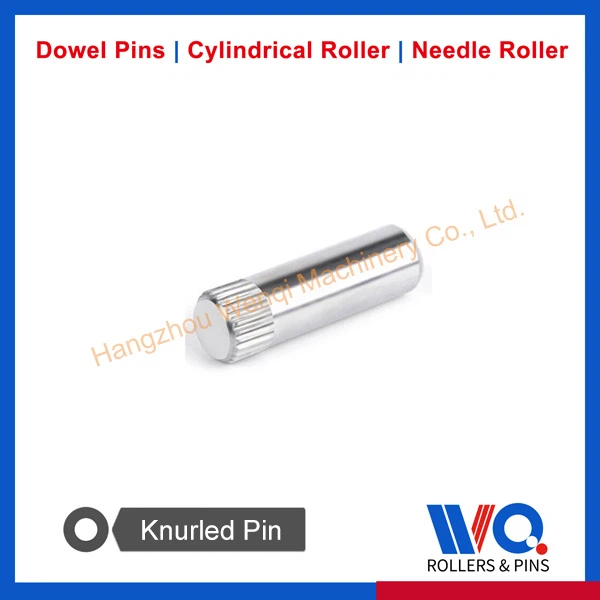
One of the key advantages of knurled pins is their ability to provide a press-fit connection. When inserted into a pre-drilled hole that is slightly smaller in diameter than the pin, the knurling bites into the material of the hole, creating a friction fit. This fit can be strong enough to hold components together without the need for additional adhesives or mechanical fasteners in many cases.
Comparing Knurled Pins to Other Fastening Methods
Screws and Bolts
Screws and bolts are perhaps the most common fastening methods in use today. They offer the advantage of being adjustable and reusable, allowing for easy disassembly and reassembly of components. However, they also have some drawbacks when compared to knurled pins.
One of the main issues with screws and bolts is the need for threading. Threading requires additional manufacturing steps, which can increase the cost and complexity of the components. In addition, over time, the threads can wear out or become stripped, leading to a loss of fastening strength. Knurled pins, on the other hand, do not require threading, making them simpler and more cost-effective to manufacture.
Another consideration is the installation process. Screws and bolts need to be tightened using a tool, such as a screwdriver or a wrench. This can be time-consuming, especially when dealing with a large number of fasteners. Knurled pins, on the other hand, can be installed quickly and easily using a simple press or hammer. This makes them a more efficient option for high-volume production.
Rivets
Rivets are another popular fastening method, especially in applications where a permanent connection is required. Rivets work by deforming the end of the rivet to create a head, which holds the components together. While rivets provide a strong and reliable connection, they also have some limitations.
One of the main disadvantages of rivets is that they are permanent. Once installed, they cannot be easily removed without damaging the components. This can be a problem in applications where disassembly is required for maintenance or repair. Knurled pins, on the other hand, can be removed if necessary, although the process may require some force.
Another issue with rivets is the need for specialized installation equipment. Riveting requires a rivet gun or a similar tool, which can be expensive and may require training to use properly. Knurled pins, on the other hand, can be installed using simple hand tools or a press, making them more accessible and cost-effective.
Adhesives
Adhesives are often used to bond components together, providing a strong and permanent connection. They offer the advantage of being able to bond different materials together, such as metal to plastic or glass to metal. However, adhesives also have some limitations.
One of the main challenges with adhesives is the curing time. Adhesives need to be allowed to cure for a certain period of time before they reach their full strength. This can slow down the production process and may require additional storage space for the bonded components. Knurled pins, on the other hand, provide an immediate connection, allowing for faster production and assembly.
Another issue with adhesives is the potential for environmental factors to affect their performance. Adhesives can be sensitive to temperature, humidity, and chemicals, which can reduce their bonding strength over time. Knurled pins, on the other hand, are less affected by environmental factors, making them a more reliable option in harsh conditions.
Applications of Knurled Pins
Knurled pins have a wide range of applications in various industries, including automotive, aerospace, electronics, and machinery. Some of the common applications of knurled pins include:
- Connecting Rod Dowel Pins: In automotive engines, knurled pins are used as connecting rod dowel pins to ensure proper alignment and prevent movement between the connecting rod and the crankshaft.
- Door Pivot Dowel Pins: In door hinges, knurled pins are used as door pivot dowel pins to provide a smooth and stable pivot point for the door.
- Dowel Hinge Pins: In furniture and cabinetry, knurled pins are used as dowel hinge pins to hold the hinges in place and ensure proper alignment.
Why Choose Our Knurled Pins
As a supplier of knurled pins, we offer a wide range of products to meet the needs of different industries and applications. Our knurled pins are manufactured using high-quality materials and precision machining processes to ensure consistent quality and performance.
We understand the importance of providing our customers with the right solution for their specific needs. That's why we offer a variety of knurling patterns, sizes, and materials to choose from. Whether you need a standard knurled pin or a custom-designed solution, we can work with you to develop the perfect product.
In addition to our high-quality products, we also offer excellent customer service. Our team of experts is available to answer your questions and provide technical support throughout the entire process, from product selection to installation.
Contact Us for Knurled Pins
If you are looking for a reliable and cost-effective fastening solution, look no further than our knurled pins. We are committed to providing our customers with the highest quality products and services. Whether you have a small project or a large-scale production requirement, we can help you find the right knurled pins for your application.
Contact us today to discuss your needs and learn more about our knurled pin products. We look forward to working with you to provide the best fastening solution for your project.
References
- Budynas, R. G., & Nisbett, J. K. (2011). Shigley's Mechanical Engineering Design. McGraw-Hill.
- Machinery's Handbook (30th Edition). Industrial Press.