


In the world of DIY projects, woodworking, and even some industrial applications, the need for a reliable yet temporary connection often arises. That's where 2mm dowels come into play. As a supplier of 2mm dowels, I've witnessed firsthand the versatility and usefulness of these small yet mighty components. In this blog post, I'll share some insights on how to use 2mm dowels for a temporary connection.
Understanding 2mm Dowels
Before diving into the usage, it's important to understand what 2mm dowels are. These are small, cylindrical rods typically made of wood, plastic, or metal. They have a diameter of 2mm, which makes them suitable for applications where a delicate or precise connection is required. Their size allows for easy handling and insertion, and they can be used in a variety of materials, including wood, plastic, and metal.
Selecting the Right Dowels
The first step in using 2mm dowels for a temporary connection is to select the right ones. Consider the material of the dowels based on your specific application. For example, wooden dowels are a popular choice for woodworking projects due to their natural look and ease of use. They can be easily cut to the desired length and are relatively inexpensive. Plastic dowels, on the other hand, are lightweight and resistant to moisture, making them suitable for applications where water or humidity may be a factor. Metal dowels, such as steel or brass, offer high strength and durability, making them ideal for more heavy-duty applications.
Preparing the Workpieces
Once you've selected the appropriate 2mm dowels, it's time to prepare the workpieces. This involves drilling holes in the pieces that you want to connect. The holes should be slightly smaller than the diameter of the dowels to ensure a snug fit. For 2mm dowels, a 1.8mm or 1.9mm drill bit is typically recommended. Make sure to drill the holes straight and at the correct depth. You can use a drill press or a hand drill with a depth stop to achieve accurate results.

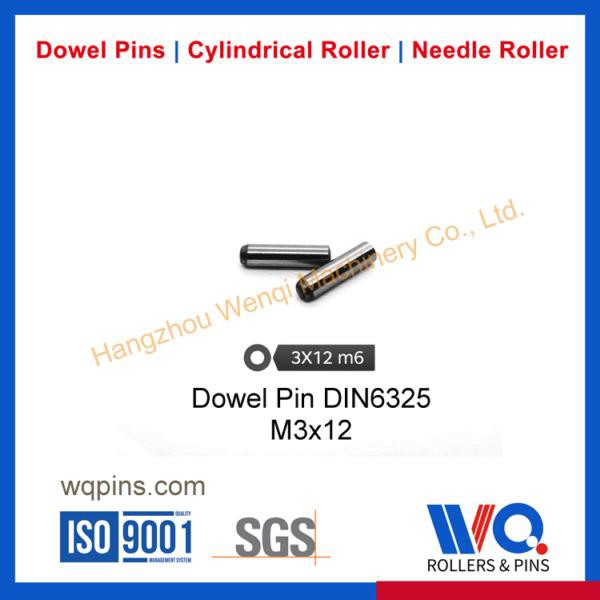
Inserting the Dowels
After drilling the holes, insert the 2mm dowels into the holes. You may need to use a mallet or a dowel setter to gently tap the dowels into place. Make sure the dowels are fully inserted and protrude slightly from the surface of the workpiece. This will allow for easy removal when the connection needs to be disassembled.
Creating the Temporary Connection
Once the dowels are inserted, align the workpieces and press them together. The dowels will act as a guide to ensure proper alignment and provide a secure connection. If necessary, you can use clamps to hold the workpieces in place while the connection sets. For a more temporary connection, you can skip using glue or other adhesives. This will allow you to easily disassemble the connection when needed.
Applications of 2mm Dowels for Temporary Connections
There are numerous applications where 2mm dowels can be used for temporary connections. Here are a few examples:
- Woodworking Projects: In woodworking, 2mm dowels can be used to temporarily join pieces of wood during assembly. This is especially useful when you need to make adjustments or test the fit before permanently gluing the pieces together. For example, you can use dowels to connect the legs of a table or the sides of a cabinet.
- Model Making: In model making, 2mm dowels can be used to create temporary joints between different parts of a model. This allows for easy disassembly and reassembly, which is useful for transportation or storage. For example, you can use dowels to connect the wings of an airplane model or the wheels of a car model.
- Prototyping: In prototyping, 2mm dowels can be used to quickly assemble and test a prototype. This allows you to make changes and improvements without the need for permanent connections. For example, you can use dowels to connect the components of an electronic device or the parts of a mechanical mechanism.
Advantages of Using 2mm Dowels for Temporary Connections
Using 2mm dowels for temporary connections offers several advantages:
- Easy Assembly and Disassembly: Dowels can be easily inserted and removed, allowing for quick and hassle-free assembly and disassembly of the connection. This is especially useful when you need to make changes or adjustments to the project.
- Precise Alignment: Dowels provide a precise alignment between the workpieces, ensuring a secure and accurate connection. This is important for achieving a professional-looking finish.
- Versatility: 2mm dowels can be used in a variety of materials and applications, making them a versatile choice for temporary connections.
- Cost-Effective: Dowels are relatively inexpensive compared to other types of fasteners, making them a cost-effective solution for temporary connections.
Related Products
If you're interested in other types of dowels or related products, you may want to check out the following links:
- 8mm Cylinder Pins: These pins are larger in diameter and can be used for more heavy-duty applications.
- CNC Machine Alignment Pins: These pins are designed for precise alignment in CNC machines and other industrial applications.
- Cylindrical Pin DIN 6325: These pins are standardized according to the DIN 6325 specification and are commonly used in mechanical engineering.
Contact for Procurement
If you're interested in purchasing 2mm dowels or have any questions about using them for temporary connections, please feel free to contact us. We're a leading supplier of 2mm dowels and can provide you with high-quality products at competitive prices. Whether you're a DIY enthusiast or a professional in the industry, we're here to help you find the right solution for your needs.
References
- Woodworking Magazine. (Year). Guide to Using Dowels in Woodworking.
- Model Making Handbook. (Year). Temporary Joints in Model Making.
- Industrial Fasteners Handbook. (Year). Dowels and Their Applications.