


Removing a stuck knurled pin can be a challenging task, but with the right techniques and tools, it can be accomplished effectively. As a supplier of high - quality Knurled Pins, I've encountered various scenarios where customers need to deal with stuck pins, and I'm here to share some practical methods to tackle this issue.
Understanding Knurled Pins
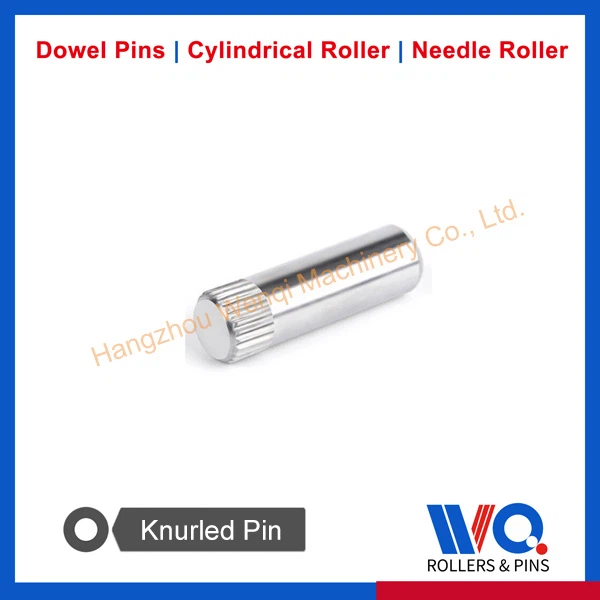
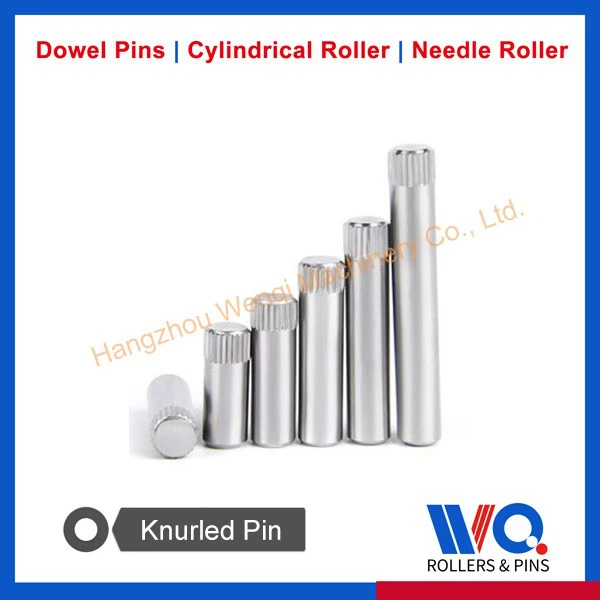
Before we dive into the removal process, let's briefly understand what knurled pins are. Knurled pins are mechanical fasteners with a knurled surface, which is a pattern of small ridges or grooves. This knurled design provides a better grip when the pin is inserted into a hole, ensuring a secure fit. They come in different types, such as Knurled Pins Stainless Steel, Dowel Hinge Pins, and Straight Knurled Pins. Each type has its own unique applications and characteristics.
Reasons for a Knurled Pin to Get Stuck
There are several reasons why a knurled pin might get stuck. One common reason is corrosion. If the pin is made of a metal that is prone to rusting, such as regular steel, and it is exposed to a humid or corrosive environment, the rust can cause the pin to seize up in the hole. Another reason could be over - tightening during installation. If the pin is forced too hard into the hole, the knurling can dig too deeply into the surrounding material, making it difficult to remove. Additionally, debris or dirt that gets into the hole can also contribute to the pin getting stuck.
Tools Required for Removal
To remove a stuck knurled pin, you'll need a few essential tools. A hammer is a basic tool that can be used in combination with other methods. A punch is also very useful. You can choose a punch that is slightly smaller in diameter than the pin. For more precise work, a set of pliers can be handy, especially if part of the pin is protruding. In some cases, a drill and a drill bit might be necessary, but this should be a last resort as it can damage the surrounding material.
Step - by - Step Removal Methods
Method 1: Using a Hammer and Punch
- Inspect the Pin: First, carefully examine the pin to determine which end is more accessible. If the pin has a head or a protruding part, this will be the ideal end to start with.
- Position the Punch: Place the punch on the end of the pin. Make sure the punch is centered and perpendicular to the pin.
- Tap the Punch: Use the hammer to gently tap the punch. Start with light taps and gradually increase the force if necessary. The goal is to loosen the pin from its position. If the pin starts to move, continue tapping until it is completely removed.
Method 2: Using Pliers
- Grip the Pin: If part of the pin is sticking out, use a pair of pliers to grip it firmly. Make sure you have a good hold on the pin to avoid slipping.
- Apply Torsional Force: Try to twist the pin gently while pulling it out. This can help break the grip of the knurling on the surrounding material. If the pin is still stuck, you can combine this method with the hammer - and - punch method.
Method 3: Using Lubricants
- Select a Lubricant: Choose a suitable lubricant such as penetrating oil. Penetrating oils are designed to seep into small spaces and break down rust and corrosion.
- Apply the Lubricant: Apply the lubricant around the base of the pin. Let it sit for a while, preferably for several hours or even overnight. The lubricant will gradually work its way into the space between the pin and the hole, reducing friction and making the pin easier to remove. After the lubricant has had time to work, try using the hammer - and - punch or pliers method again.
Method 4: Drilling (Last Resort)
- Choose the Right Drill Bit: Select a drill bit that is slightly smaller than the diameter of the pin.
- Drill Carefully: Drill into the center of the pin. Be very careful not to drill into the surrounding material. Once you have drilled a hole into the pin, you can try to use a punch or a screw extractor to remove the remaining part of the pin. This method should only be used when all other methods have failed, as it can cause damage to the pin and the surrounding area.
Preventive Measures
To avoid the problem of stuck knurled pins in the future, there are several preventive measures you can take. First, choose the right type of pin for your application. For example, if the environment is corrosive, Knurled Pins Stainless Steel would be a better choice as they are more resistant to rust. Second, follow the correct installation procedures. Do not over - tighten the pin during installation. Make sure the hole is clean and free of debris before inserting the pin.
Conclusion
Removing a stuck knurled pin can be a tricky process, but by following the methods outlined above and using the right tools, you can successfully remove the pin without causing too much damage. As a supplier of Knurled Pins, I understand the importance of these fasteners in various industries. Whether you need Dowel Hinge Pins for a hinge application or Straight Knurled Pins for a mechanical assembly, we offer a wide range of high - quality knurled pins to meet your needs.
If you are facing issues with stuck pins or are interested in purchasing our knurled pins, feel free to reach out for a procurement discussion. We are always ready to provide you with professional advice and high - quality products.
References
- Machinery's Handbook, 31st Edition
- Fasteners and Fixings Handbook