


Hey there! As a supplier of knurled pins, I've been getting a lot of questions lately about whether these little guys have a standardized design. So, I thought I'd sit down and write a blog post to clear things up.
First off, let's talk about what knurled pins are. Knurled pins are small, cylindrical pins with a textured surface, called knurling, which helps them grip into the material they're inserted into. They're used in a wide range of applications, from machinery and automotive parts to electronics and furniture.
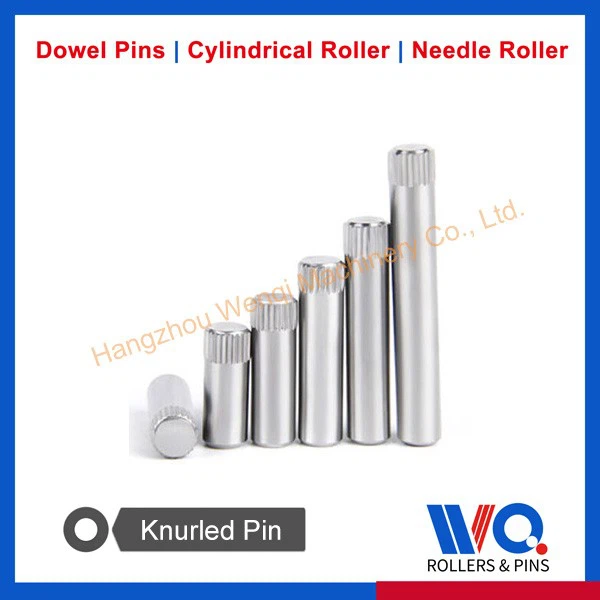

Now, the big question: do knurled pins have a standardized design? The short answer is yes and no. There are some general standards and guidelines that apply to knurled pins, but there's also a lot of variation depending on the specific application and industry.
Industry Standards and Guidelines
There are a few organizations that set standards for fasteners, including knurled pins. One of the most well-known is the International Organization for Standardization (ISO). The ISO has developed a series of standards for fasteners, including ISO 8734, which covers cylindrical pins with a knurled surface.
These standards specify things like the dimensions, tolerances, and material requirements for knurled pins. For example, ISO 8734 defines the diameter, length, and knurling pitch for different sizes of knurled pins. It also specifies the minimum hardness and surface finish requirements for the pins.
Another organization that sets standards for fasteners is the American National Standards Institute (ANSI). ANSI has developed a series of standards for fasteners, including ANSI B18.8.2, which covers dowel pins, including knurled dowel pins.
These standards are similar to the ISO standards, but they may have some differences in terms of the specific dimensions, tolerances, and material requirements. For example, ANSI B18.8.2 may specify a different knurling pitch or surface finish for knurled dowel pins than ISO 8734.
Variations in Design
While there are some general standards and guidelines for knurled pins, there's also a lot of variation in the design of these pins depending on the specific application and industry. Here are some of the factors that can affect the design of knurled pins:
- Application: The application for which the knurled pin is being used will have a big impact on its design. For example, if the pin is being used in a high-stress application, it may need to be made from a stronger material or have a different knurling pattern to provide better grip. On the other hand, if the pin is being used in a low-stress application, it may be able to be made from a less expensive material or have a simpler design.
- Material: The material used to make the knurled pin will also affect its design. Different materials have different properties, such as strength, hardness, and corrosion resistance. For example, if the pin is being used in a corrosive environment, it may need to be made from a stainless steel or other corrosion-resistant material.
- Knurling Pattern: The knurling pattern on the pin can also vary depending on the application. There are several different types of knurling patterns, including straight knurling, diamond knurling, and spiral knurling. Each pattern has its own advantages and disadvantages, and the choice of pattern will depend on the specific requirements of the application.
- Size and Shape: The size and shape of the knurled pin can also vary depending on the application. For example, some applications may require a longer or shorter pin, or a pin with a different diameter or shape.
Our Products
As a supplier of knurled pins, we offer a wide range of products to meet the needs of different applications and industries. Here are some of the types of knurled pins we offer:
- Knurled Hinge Pins: These pins are used in hinges to provide a secure and durable connection. They're available in a variety of sizes and materials, and can be customized to meet the specific requirements of your application.
- Connecting Rod Dowel Pins: These pins are used in connecting rods to align and secure the rod to the crankshaft. They're designed to withstand high loads and vibrations, and are available in a variety of sizes and materials.
- Dowel Hinge Pins: These pins are used in dowel hinges to provide a secure and durable connection. They're available in a variety of sizes and materials, and can be customized to meet the specific requirements of your application.
Contact Us for Purchase
If you're in the market for knurled pins, we'd love to hear from you. We have a team of experts who can help you choose the right pins for your application, and we offer competitive pricing and fast delivery times.
Whether you need a standard size and design or a custom solution, we can work with you to meet your needs. So, don't hesitate to reach out and start a conversation about your knurled pin requirements. We're here to make the purchasing process as smooth and hassle - free as possible.
References
- International Organization for Standardization (ISO). ISO 8734. Cylindrical pins with knurled surface.
- American National Standards Institute (ANSI). ANSI B18.8.2. Dowel pins.