


Hey there! As a supplier of 2mm dowels, I often get asked this question: "Do 2mm dowels need to be treated before use?" Well, let's dive right into it and figure out what's what.
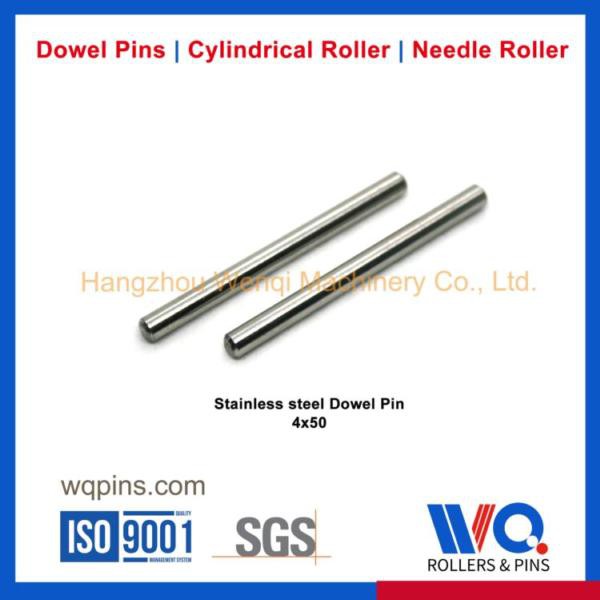
First off, what are 2mm dowels anyway? They're small cylindrical rods, usually made of metal, wood, or plastic. These little guys are super handy in all sorts of applications. You might find them in furniture assembly, machinery, or even in some precision instruments. They're used to align parts accurately and provide a stable connection between them.
Now, let's talk about treatment. Treatment of dowels can refer to a few different things, like coating, heat - treating, or chemical treatment. Whether or not a 2mm dowel needs treatment really depends on a few factors.
Factors Affecting the Need for Treatment
1. Material of the Dowel
- Metal Dowels: If you're using metal dowels, especially steel ones, rust can be a big concern. In a humid or corrosive environment, untreated steel dowels can start to rust pretty quickly. Rust not only looks bad but can also weaken the dowel over time. In this case, a coating like zinc plating can be a great treatment. Zinc plating creates a protective layer on the surface of the dowel, preventing moisture and oxygen from reaching the metal and causing rust. Heat - treating is another option for metal dowels. It can increase the hardness and strength of the dowel, making it more resistant to wear and deformation. For example, if the dowel is going to be used in a high - stress application, like in a Water Pump Magneto Housing Pin, heat - treating might be necessary to ensure it can handle the load.
- Wood Dowels: Wood dowels are prone to swelling and shrinking with changes in humidity. This can cause problems in the joints they're used in. A sealant treatment can help prevent this. A clear wood sealer can be applied to the dowels, which creates a barrier that reduces the amount of moisture the wood can absorb or release. It also makes the wood more resistant to fungal growth, which can damage the dowel.
- Plastic Dowels: Plastic dowels are generally more resistant to corrosion and moisture compared to metal and wood. However, they can be affected by UV light. If the dowels are going to be used outdoors or in an environment with a lot of sunlight, a UV - resistant treatment can be applied. This treatment helps prevent the plastic from becoming brittle and cracking over time.
2. Application Environment
- Indoor Applications: In a clean, dry indoor environment, the need for treatment might be less. For example, if you're using 2mm dowels to assemble a simple wooden bookshelf in your living room, untreated wood dowels might work just fine. The low humidity and lack of exposure to harsh chemicals mean there's not much risk of damage to the dowels.
- Outdoor Applications: Outdoor environments are much more challenging. Dowels used outdoors are exposed to rain, sunlight, and temperature changes. Metal dowels will need some form of corrosion - resistant treatment, wood dowels need protection from moisture and insects, and plastic dowels need UV protection. For instance, if you're building a wooden outdoor bench, treated wood dowels or metal dowels with a protective coating would be a better choice.
- Industrial Applications: In industrial settings, dowels can be exposed to high temperatures, chemicals, and heavy loads. Metal dowels used in a manufacturing plant might need to be heat - treated and coated with a chemical - resistant material. Pump Shaft Pins in an industrial pump, for example, need to be strong and resistant to the chemicals and fluids they come into contact with.
3. Precision Requirements
- High - Precision Applications: In applications where precise alignment is crucial, such as in some types of machinery or electronic devices, treated dowels might be necessary. Treatment can help maintain the dimensional stability of the dowel. For example, heat - treating a metal dowel can reduce the risk of it deforming under load, ensuring that the parts it aligns stay in the correct position. Custom - designed Dowel Pins for these high - precision applications often undergo special treatments to meet the strict requirements.
- Low - Precision Applications: For less critical applications, like in some DIY projects where a small amount of misalignment is acceptable, untreated dowels can be used. You might not need to worry as much about the dowel's long - term durability or dimensional stability.
Benefits of Treating 2mm Dowels
1. Increased Durability
Treated dowels last longer. A metal dowel with a protective coating won't rust as quickly, a wood dowel with a sealant won't rot as easily, and a plastic dowel with UV protection won't crack as soon. This means that the joints and assemblies they're used in will also have a longer lifespan.
2. Improved Performance
In high - stress or high - precision applications, treated dowels perform better. They can handle heavier loads, maintain their shape, and provide more accurate alignment. This leads to better overall performance of the machinery or product they're a part of.
3. Cost - Effectiveness in the Long Run
While treated dowels might cost a bit more upfront, they can save you money in the long run. You won't have to replace them as often due to damage or wear. This is especially true in applications where downtime for replacement can be costly, like in industrial settings.
When Treatment Might Not Be Necessary
There are definitely situations where treating 2mm dowels isn't really needed. If the dowels are going to be used in a short - term project, like a temporary display at a trade show, untreated dowels can get the job done. Also, if the cost of treatment is significantly higher than the value of the project, it might not be worth it. For example, if you're making a small, inexpensive wooden toy for your kids, spending extra money on treated dowels might not be necessary.
Conclusion
So, do 2mm dowels need to be treated before use? It depends. You need to consider the material of the dowel, the application environment, and the precision requirements. If you're not sure whether your dowels need treatment, just think about the challenges they'll face and the performance you expect from them.
As a 2mm dowel supplier, I'm here to help you make the right choice. Whether you need treated or untreated dowels, we've got a wide range of options to suit your needs. If you're interested in purchasing our 2mm dowels or have any questions about treatment or application, feel free to reach out and start a procurement discussion. We're eager to work with you to find the perfect dowel solution for your project.

References
- ASM Handbook: Volume 5 - Surface Engineering. ASM International.
- Wood Handbook: Wood as an Engineering Material. USDA Forest Service.
- Plastics Engineering Handbook. Society of Plastics Engineers.