


Can knurled pins be used in electronic enclosures? That's a question I've been getting a lot lately as a knurled pins supplier. And let me tell you, the answer is a resounding yes! In this blog post, I'll dive into why knurled pins are a great choice for electronic enclosures, the different types available, and how you can get in touch to discuss your specific needs.
First off, let's talk about what knurled pins are. Knurled pins are basically pins with a textured surface, usually created by a process called knurling. This texture gives the pin a better grip when it's inserted into a hole, which is super important in a lot of applications, including electronic enclosures.
One of the main reasons knurled pins are so useful in electronic enclosures is their ability to provide a secure fit. Electronic components are often delicate and need to be held in place firmly to prevent any movement that could cause damage or malfunction. Knurled pins can be press-fitted into holes in the enclosure, creating a tight connection that keeps everything in place. This is especially important in environments where there might be vibrations or shocks, like in automotive electronics or industrial equipment.
Another advantage of using knurled pins in electronic enclosures is their ease of installation. Unlike some other types of fasteners, knurled pins don't require any special tools or complicated procedures to install. You just need to line up the pin with the hole and press it in. This makes the assembly process quicker and more efficient, which can save you time and money in the long run.
Now, let's take a look at some of the different types of knurled pins that are suitable for electronic enclosures. One popular option is Knurled Hinge Pins. These pins are designed to be used in hinges, which are commonly found in electronic enclosures to allow for easy access to the internal components. The knurled surface of the hinge pin provides a secure fit in the hinge hole, preventing the hinge from coming loose over time.
Another type of knurled pin that's often used in electronic enclosures is Dowel Hinge Pins. Dowel pins are used to align and hold two parts together, and the knurled surface on these pins helps to ensure a precise and stable connection. This is important in electronic enclosures where accurate alignment of components is crucial for proper functioning.
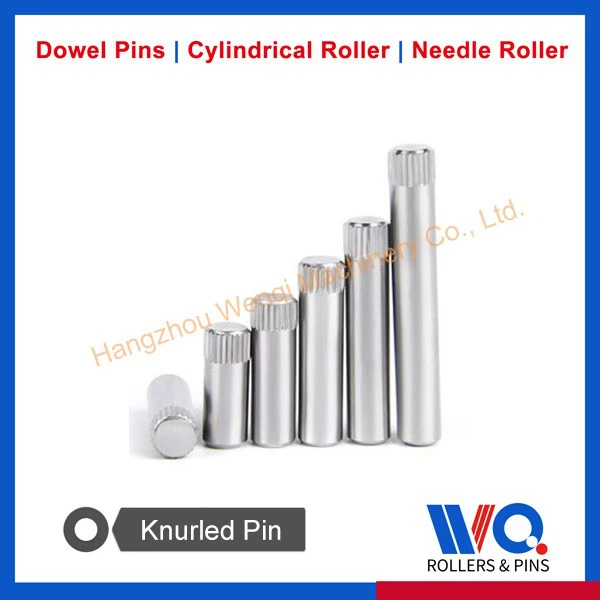
Connecting Rod Dowel Pins are also a great choice for electronic enclosures. These pins are used to connect rods or other moving parts, and the knurled surface provides a strong grip that helps to prevent the parts from slipping or coming apart. This is especially important in applications where there are high loads or forces acting on the connected parts.
In addition to these specific types of knurled pins, there are also other general-purpose knurled pins that can be used in a variety of applications within electronic enclosures. These pins come in different sizes, shapes, and materials, so you can choose the ones that best suit your specific needs.
When it comes to materials, knurled pins for electronic enclosures are typically made from metals like stainless steel, brass, or aluminum. These materials are chosen for their strength, durability, and corrosion resistance, which are all important properties in an electronic environment. Stainless steel is a popular choice because it's strong, resistant to rust and corrosion, and can withstand high temperatures. Brass is also a good option because it's relatively soft and easy to machine, and it has good electrical conductivity. Aluminum is lightweight and has good thermal conductivity, which can be beneficial in applications where heat dissipation is important.
So, now that you know why knurled pins are a great choice for electronic enclosures and the different types available, how do you go about getting the right ones for your project? Well, that's where I come in. As a knurled pins supplier, I have a wide range of products to choose from, and I can help you find the perfect pins for your specific needs. Whether you need a small quantity for a prototype or a large order for mass production, I can provide you with high-quality knurled pins at competitive prices.
If you're interested in learning more about our knurled pins or discussing your project in detail, I'd love to hear from you. You can reach out to me to start the conversation. I'm always happy to answer any questions you might have and provide you with a quote.
In conclusion, knurled pins are definitely a great option for use in electronic enclosures. They offer a secure fit, easy installation, and come in a variety of types and materials to suit your specific needs. So, if you're looking for a reliable way to hold your electronic components in place, consider using knurled pins. And don't hesitate to get in touch with me to discuss your requirements.

References
- "Fastener Handbook", Industrial Fasteners Institute
- "Mechanical Design Handbook", CRC Press