


Can knurled pins be easily removed? This is a question that often arises among those who work with mechanical components, whether in manufacturing, automotive repair, or DIY projects. As a supplier of high - quality knurled pins, I've encountered this query numerous times, and in this blog, I'll share some insights based on my experience and industry knowledge.
Understanding Knurled Pins
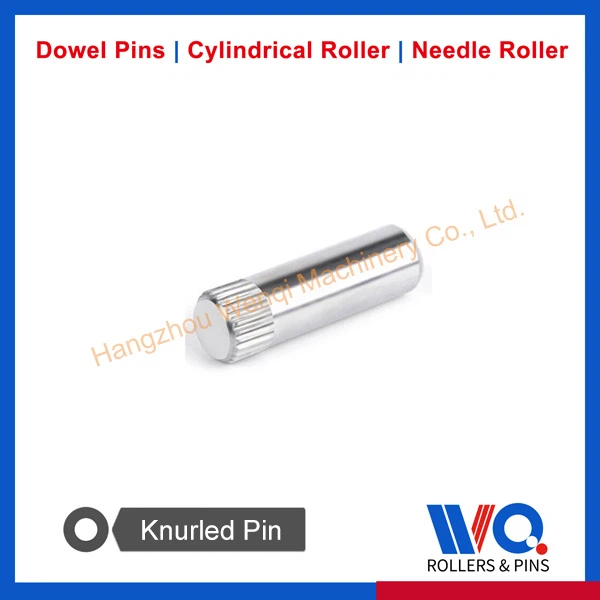
Knurled pins are a type of fastener with a textured surface, typically created by a process called knurling. This texture can take various forms, such as straight, diamond, or spiral patterns. The purpose of the knurling is to provide a better grip when the pin is inserted into a hole, which helps to prevent it from rotating or slipping out.
There are different types of knurled pins available in the market, each designed for specific applications. For example, Connecting Rod Dowel Pins are used in engines to precisely align and secure connecting rods. These pins need to be firmly in place to ensure the proper functioning of the engine. Dowel Hinge Pins are used in hinges to maintain the alignment and smooth operation of doors, cabinets, and other hinged structures. Straight Knurled Pins are the most common type and can be used in a wide range of applications where a secure fit is required.
Factors Affecting the Ease of Removal
The ease with which knurled pins can be removed depends on several factors:
1. Installation Method
The way the knurled pin is installed plays a significant role. If the pin is force - fitted using a press or a hammer, it will create a tight interference fit with the hole. This interference fit is designed to hold the pin securely in place, but it also makes removal more difficult. On the other hand, if the pin is installed with a proper clearance or using a less forceful method, it may be easier to remove.
2. Material of the Pin and the Surrounding Component
The materials of both the knurled pin and the component it is inserted into matter. For example, if the pin is made of a hard metal like stainless steel and is inserted into a softer metal like aluminum, the pin may be more difficult to remove because the knurling can dig into the softer material, creating a stronger grip. Additionally, corrosion or rust can also make removal challenging, as it can cause the pin to bond more tightly with the surrounding material.

3. Design of the Knurling
The type and depth of the knurling can affect removal. A deeper or more aggressive knurling pattern will generally provide a stronger grip, making the pin harder to remove. Straight knurling may be easier to remove compared to diamond or spiral knurling in some cases, as the straight pattern may not grip as tightly in all directions.
Methods of Removing Knurled Pins
Despite the challenges, there are several methods that can be used to remove knurled pins:
1. Using a Pin Punch
A pin punch is a simple and commonly used tool for removing knurled pins. The punch is placed against the end of the pin, and a hammer is used to strike the punch gently. This method works best when the pin is not too tightly fitted. However, care must be taken not to damage the surrounding component.
2. Using a Puller
A puller is a more specialized tool that can be used to remove knurled pins. There are different types of pullers available, such as slide - hammer pullers and screw - type pullers. These tools work by gripping the pin and applying a pulling force to remove it. Pullers are often more effective for pins that are tightly fitted.
3. Heating
In some cases, heating the surrounding component can make it easier to remove the knurled pin. When the component is heated, it expands, which can reduce the interference fit between the pin and the hole. However, this method requires caution, as overheating can damage the material or cause other components to warp.
Our Knurled Pins and Removal Considerations
As a supplier of knurled pins, we understand the importance of both secure installation and the ability to remove the pins when necessary. Our knurled pins are manufactured with high - precision techniques to ensure a consistent and reliable fit. We use high - quality materials that are resistant to corrosion, which helps to prevent the pins from becoming stuck due to rust.
We also offer technical support to our customers. If you are having trouble removing our knurled pins, our team of experts can provide advice on the best removal methods based on the specific application and the type of pin you are using.
Conclusion
In conclusion, whether knurled pins can be easily removed depends on multiple factors, including the installation method, materials, and knurling design. While knurled pins are designed to provide a secure fit, with the right tools and techniques, they can be removed when needed.
If you are in the market for high - quality knurled pins or need more information about our products, we invite you to contact us for a procurement discussion. We are committed to providing you with the best solutions for your fastening needs.
References
- Machinery's Handbook: A comprehensive reference for mechanical engineering and manufacturing, which provides in - depth information on fasteners and their applications.
- Fastener Engineering Manual: A guide that focuses specifically on fasteners, including knurled pins, and offers insights into their design, installation, and removal.