


As a supplier of 2.5mm dowel pins, I often receive inquiries about the feasibility of using these pins in electrical equipment. This blog post aims to explore this topic in detail, providing a comprehensive analysis based on scientific knowledge and practical experience.
Understanding Dowel Pins
Dowel pins are cylindrical rods, typically made of metal, plastic, or wood, used to align and secure two or more components together. They are designed to fit precisely into pre - drilled holes, providing a strong and accurate connection. The 2.5mm dowel pin, with its relatively small diameter, is commonly used in applications where a compact and precise fastening solution is required.
Factors to Consider for Electrical Equipment
When considering using a 2.5mm dowel pin in electrical equipment, several key factors need to be taken into account:
Electrical Conductivity
One of the primary concerns is the electrical conductivity of the dowel pin material. In electrical equipment, the presence of conductive materials can cause short - circuits or interfere with the normal operation of electrical components. If the dowel pin is made of a metal such as steel or brass, it will be conductive. This can be a problem if the pin comes into contact with live electrical parts.
However, there are non - conductive options available. For example, dowel pins made of plastic or ceramic are non - conductive and can be safely used in electrical equipment without the risk of electrical interference. These non - conductive materials are often used in applications where insulation is crucial, such as in circuit boards or electrical enclosures.
Mechanical Strength
Electrical equipment may be subject to various mechanical stresses, such as vibrations, shocks, and thermal expansion. The dowel pin must have sufficient mechanical strength to withstand these stresses without breaking or deforming. A 2.5mm dowel pin made of high - strength materials like hardened steel can provide the necessary mechanical support.
For instance, in a motor housing, the dowel pins are used to align the stator and rotor components. These pins need to be strong enough to maintain the alignment even under the high - speed rotation and vibrations of the motor.
Corrosion Resistance
Electrical equipment is often exposed to different environmental conditions, including humidity, moisture, and chemicals. Corrosion of the dowel pin can weaken its mechanical properties and lead to component failure. Therefore, corrosion resistance is an important factor.
Anti - rust dowel pins, such as those coated with zinc or made of stainless steel, are ideal for use in electrical equipment. These pins can resist corrosion and ensure the long - term reliability of the equipment. You can find a variety of Anti - Rust Dowel Pins on our website.
Size and Precision
The size and precision of the 2.5mm dowel pin are critical for proper installation and functionality in electrical equipment. A pin that is too large or too small may not fit correctly into the pre - drilled holes, leading to misalignment or a loose connection.
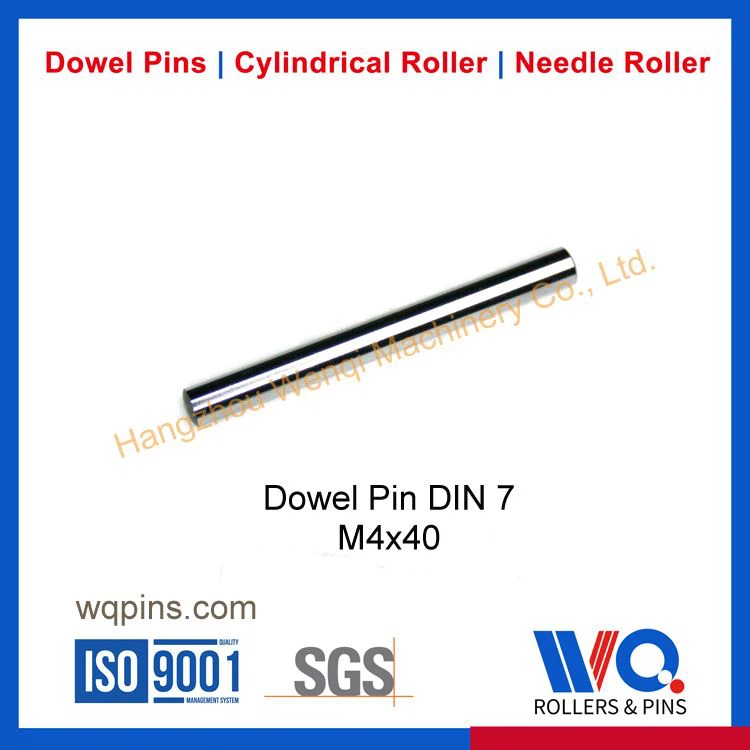
Precision - machined dowel pins, like the Parallel Pin DIN 7, are manufactured to strict tolerances, ensuring a perfect fit. This is especially important in electrical equipment where precise alignment of components is necessary for optimal performance.

Applications of 2.5mm Dowel Pins in Electrical Equipment
Despite the challenges, there are several applications where 2.5mm dowel pins can be effectively used in electrical equipment:
Circuit Board Assembly
In circuit board assembly, dowel pins can be used to align and secure different layers of the board. Non - conductive plastic dowel pins are commonly used in this application to prevent electrical short - circuits. They ensure that the components on the board are accurately placed and that the board can be easily assembled and disassembled for maintenance.
Electrical Enclosure Assembly
Electrical enclosures are used to protect electrical components from the environment. Dowel pins can be used to align and fasten the different parts of the enclosure, such as the front panel and the back cover. Long - shaft dowel pins, like the ones found on Long Shaft Dowel Pins, can be used to provide a more secure connection, especially in larger enclosures.
Motor and Generator Assembly
As mentioned earlier, dowel pins are used in motor and generator assembly to align the stator and rotor components. High - strength steel dowel pins can withstand the mechanical stresses generated during operation and ensure the proper functioning of the motor or generator.
Conclusion
In conclusion, a 2.5mm dowel pin can be used in electrical equipment, but careful consideration must be given to factors such as electrical conductivity, mechanical strength, corrosion resistance, and size precision. By choosing the right material and type of dowel pin, it is possible to achieve a reliable and effective connection in electrical applications.
If you are interested in purchasing 2.5mm dowel pins for your electrical equipment, we are here to help. Our company offers a wide range of dowel pins with different materials, sizes, and specifications to meet your specific needs. Contact us to start a procurement negotiation and find the best solution for your electrical projects.
References
- Machinery's Handbook, 31st Edition
- ASME B18.8.2 - 2018 Standard for Dowel Pins