


Hey there! As a supplier of 16mm dowel pins, I often get asked if these pins can be used in medical devices. It's a super interesting question, and today, I'm gonna dive deep into this topic to share my thoughts and some scientific insights.
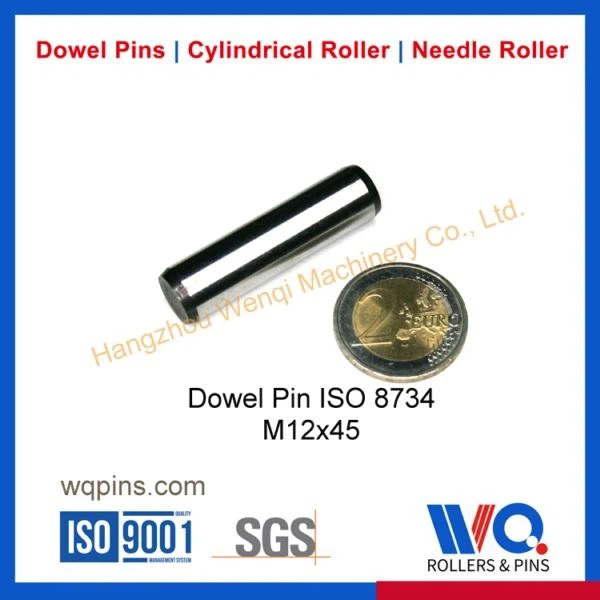
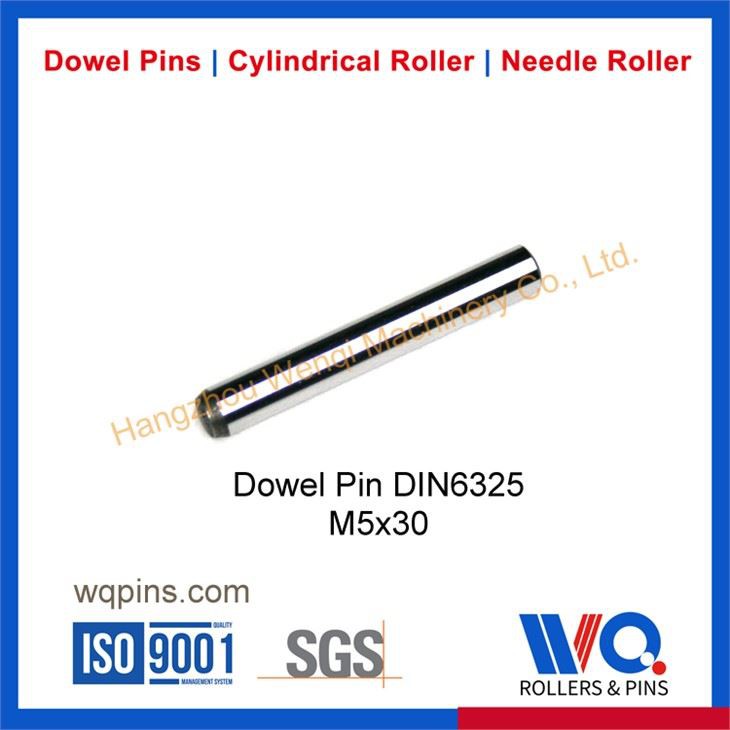
First off, let's talk about what a 16mm dowel pin is. A dowel pin is a cylindrical rod, usually made of metal, plastic, or wood. In my business, I mainly deal with metal dowel pins, which are known for their strength and durability. The 16mm refers to the diameter of the pin. These pins are commonly used in various industries for tasks like alignment, joining parts, and providing support. You can check out different types of dowel pins on our website, like Hardware Dowel Pins, Steel Dowel Pin DIN6325, and Mold Alignment Dowel Pins.
Now, when it comes to using a 16mm dowel pin in medical devices, there are several factors to consider. One of the most important things is the material. Medical devices need to be made of materials that are biocompatible, which means they won't cause any harmful reactions when they come into contact with the human body. Most of the dowel pins I supply are made of stainless steel, which is a popular choice in the medical field because it's resistant to corrosion and has good mechanical properties. However, not all stainless steels are created equal. For medical applications, we need to use a grade of stainless steel that meets strict medical standards, such as ASTM F138 or ASTM F1586. These grades are specifically designed for use in surgical implants and other medical devices, and they have been tested to ensure they are safe for the human body.
Another factor is the surface finish of the dowel pin. In medical devices, a smooth surface finish is crucial to prevent the accumulation of bacteria and other pathogens. Rough surfaces can provide a breeding ground for these harmful organisms, which can lead to infections and other complications. So, if we want to use a 16mm dowel pin in a medical device, we need to make sure it has a high-quality surface finish. This can be achieved through processes like polishing and passivation, which remove any impurities from the surface and create a smooth, clean finish.
The precision of the dowel pin is also a key consideration. Medical devices often require very high levels of precision to ensure they function correctly. A 16mm dowel pin used in a medical device needs to have tight tolerances to ensure a proper fit and alignment. Even a small deviation in the diameter or length of the pin can affect the performance of the device. At our company, we use advanced manufacturing techniques and quality control measures to ensure that our dowel pins meet the strictest precision requirements.
In addition to these technical factors, there are also regulatory requirements that need to be met when using dowel pins in medical devices. The medical device industry is highly regulated, and manufacturers need to comply with a variety of standards and regulations to ensure the safety and effectiveness of their products. For example, in the United States, medical devices are regulated by the Food and Drug Administration (FDA), and manufacturers need to obtain FDA approval before they can sell their products. This process involves extensive testing and documentation to demonstrate that the device meets all the necessary safety and performance requirements.
So, can a 16mm dowel pin be used in medical devices? The answer is yes, but it's not as simple as just using any old dowel pin. We need to carefully consider the material, surface finish, precision, and regulatory requirements to ensure that the pin is suitable for use in a medical device.
Let's take a look at some potential applications of 16mm dowel pins in medical devices. One possible application is in surgical instruments. Dowel pins can be used to align and secure different parts of a surgical instrument, ensuring that it functions correctly during a procedure. For example, in a forceps or a scalpel, a dowel pin can be used to connect the handle to the blade, providing a stable and reliable connection.
Another application is in medical implants. While 16mm dowel pins may not be used directly as implants in most cases, they can be used in the manufacturing process of implants. For example, they can be used to align and hold different components of an implant during the assembly process, ensuring that the implant is assembled correctly and has the desired shape and dimensions.
However, it's important to note that the use of dowel pins in medical devices is still relatively limited compared to other industries. This is mainly due to the strict requirements and high costs associated with using them in medical applications. But as technology advances and the demand for more complex and precise medical devices increases, the use of dowel pins in this field may become more common.
If you're a manufacturer of medical devices and you're interested in using 16mm dowel pins in your products, I'd be more than happy to talk to you. We have a wide range of dowel pins available, and we can work with you to ensure that the pins meet your specific requirements. Whether it's the material, surface finish, precision, or regulatory compliance, we have the expertise and resources to provide you with high-quality dowel pins for your medical devices.
In conclusion, while there are challenges and considerations when using a 16mm dowel pin in medical devices, it is definitely possible. With the right material, surface finish, precision, and regulatory compliance, these pins can play an important role in the development and manufacturing of medical devices. If you have any questions or need more information, don't hesitate to reach out. Let's have a chat and see how we can work together to meet your needs.
References:
- ASTM F138 - Standard Specification for Wrought 18Cr - 14Ni - 2.5Mo Stainless Steel Bar and Wire for Surgical Implants (UNS S31673)
- ASTM F1586 - Standard Specification for Wrought 18Cr - 14Ni - 2.5Mo Stainless Steel Seamless Tubing for Surgical Implants (UNS S31673)
- Food and Drug Administration (FDA) regulations for medical devices