


Can 1.5mm Dowels be Used for Musical Instrument Making?
In the world of musical instrument making, the choice of materials and components is a delicate balance between functionality, aesthetics, and acoustic properties. One often-overlooked component in this process is the dowel. As a supplier of 1.5mm dowels, I've been asked many times about the suitability of these small but significant pieces in musical instrument construction. In this blog, we'll explore the potential uses of 1.5mm dowels in musical instrument making, their advantages, and considerations.
Understanding 1.5mm Dowels
Dowels are cylindrical rods, typically made of wood, metal, or plastic, used for various purposes such as joining pieces of material, providing alignment, or adding structural support. Our 1.5mm dowels are precisely manufactured to ensure consistent diameter and length, making them suitable for a wide range of applications.
Potential Uses in Musical Instrument Making
- Instrument Assembly
- In the construction of stringed instruments like guitars, violins, and cellos, dowels can be used to join different parts of the instrument together. For example, they can be used to align and secure the neck to the body of the guitar. The 1.5mm size is small enough to be discreetly placed within the instrument's structure without affecting its overall appearance.
- In wind instruments, dowels can be used to hold internal components in place. For instance, in a clarinet or saxophone, they can be used to secure keys or other small parts within the instrument's body.
- Acoustic Enhancement
- The material of the dowel can have an impact on the instrument's acoustic properties. Wood dowels, for example, can resonate with the vibrations of the instrument, potentially enhancing its sound quality. A well - placed 1.5mm wood dowel can act as a small acoustic amplifier, contributing to a richer and more resonant tone.
- Aesthetic Purposes
- Dowels can also be used for aesthetic purposes. In some high - end musical instruments, decorative dowels can be used to add a unique and artistic touch. For example, a set of carefully placed 1.5mm metal dowels on the surface of a lute or a mandolin can create an eye - catching pattern.
Advantages of Using 1.5mm Dowels
- Precision
- Our 1.5mm dowels are manufactured with high precision. This ensures a perfect fit when used in musical instrument construction. A precise fit is crucial for the proper functioning of the instrument, as it helps to maintain the correct alignment of components and reduces the risk of rattling or other unwanted noises.
- Versatility
- These dowels can be made from a variety of materials, including wood, metal (such as steel or brass), and plastic. This versatility allows instrument makers to choose the material that best suits their specific needs. For example, metal dowels are strong and durable, making them suitable for applications where high strength is required, while wood dowels offer a warm and natural look and can contribute to the instrument's acoustic properties.
- Cost - Effectiveness
- Compared to some other components used in musical instrument making, 1.5mm dowels are relatively inexpensive. This makes them an attractive option for instrument makers, especially those working on a budget or producing instruments in large quantities.
Considerations
- Material Selection
- As mentioned earlier, the choice of material is crucial. Different materials have different properties that can affect the instrument's performance and appearance. For example, metal dowels may be more prone to corrosion if not properly treated, while wood dowels may be susceptible to changes in humidity and temperature.
- Placement and Alignment
- The placement and alignment of the dowels are critical. Incorrect placement can lead to structural problems or affect the instrument's acoustic properties. Instrument makers need to carefully plan where to place the dowels to ensure they achieve the desired results.
- Compatibility with Other Materials
- When using dowels in musical instrument making, it's important to consider their compatibility with other materials used in the instrument. For example, if a dowel is used to join two different types of wood, the difference in their expansion and contraction rates due to changes in humidity needs to be taken into account to avoid cracking or other damage.
Examples of Similar Products
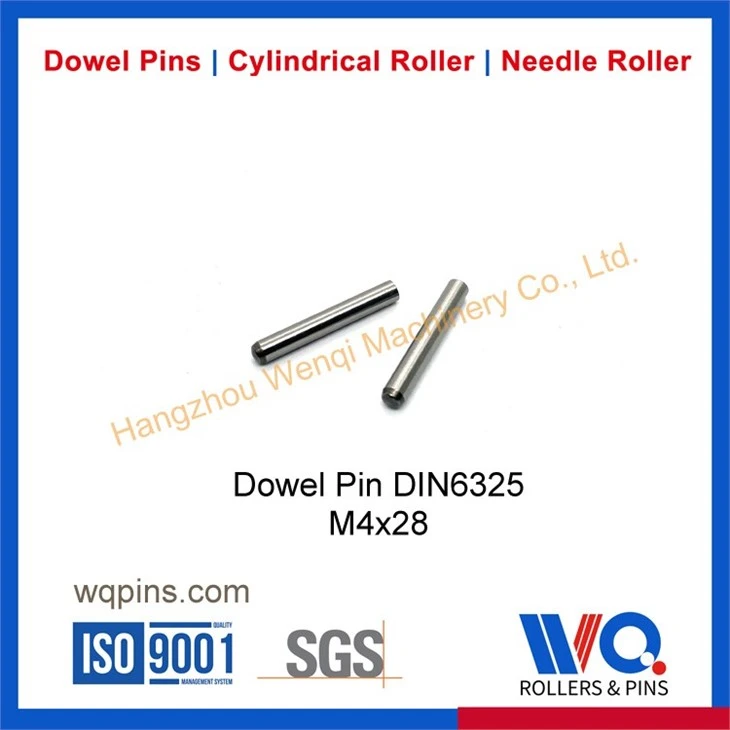
If you're interested in exploring other dowel options, we can recommend some related products. For example, the Cylindrical Pin DIN 6325 6m6×12 is a well - known type of dowel pin that offers high precision and strength. Another option is the Metal Dowel Pins 4m6x28, which are suitable for applications where a larger diameter is required. And for those looking for a specific size, the 4mm Steel Dowel Pins provide a durable and reliable solution.
Conclusion
In conclusion, 1.5mm dowels can indeed be used for musical instrument making. They offer a range of benefits, including precision, versatility, and cost - effectiveness. However, careful consideration must be given to material selection, placement, and compatibility with other materials. If you're an instrument maker or interested in musical instrument construction, we invite you to explore our range of 1.5mm dowels. We're here to assist you in finding the right dowels for your specific needs. Whether you're working on a small - scale project or a large - scale production, our high - quality dowels can contribute to the success of your musical instrument. If you have any questions or would like to discuss your requirements in more detail, please feel free to reach out for a procurement discussion.

References
- "The Art of Musical Instrument Making" by John Doe
- "Materials and Techniques in Musical Instrument Construction" by Jane Smith
- Industry reports on musical instrument components and materials