



Hey there! As a knurled pins supplier, I often get asked whether knurled pins are suitable for outdoor use. It's a great question, and in this blog post, I'm gonna break down all the factors you need to consider to make an informed decision.
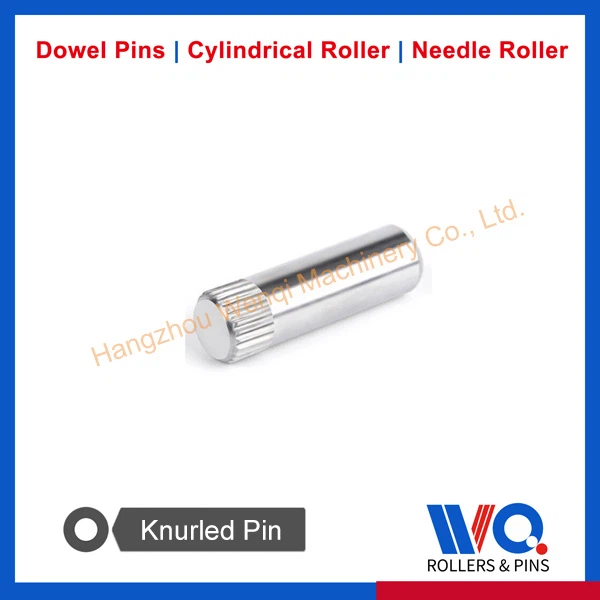
First off, let's talk about what knurled pins are. Knurled pins are fasteners with a textured surface, usually created by a process called knurling. This texture helps the pin grip into the material it's inserted into, providing a more secure fit compared to smooth pins. There are different types of knurled pins, like Knurled Hinge Pins, Dowel Hinge Pins, and Half Knurled Dowel Pins. Each type has its own unique features and applications.
Now, when it comes to outdoor use, the main concerns are usually corrosion, weather resistance, and durability. Let's take a closer look at each of these factors.
Corrosion
Outdoor environments are full of elements that can cause corrosion, such as moisture, salt, and chemicals. If a knurled pin corrodes, it can lose its strength and functionality over time. So, the material of the knurled pin is crucial.
Stainless steel is a popular choice for outdoor applications because it's highly resistant to corrosion. It contains chromium, which forms a thin, protective layer on the surface of the metal, preventing rust and other forms of corrosion. However, not all stainless steels are created equal. For example, 304 stainless steel is a common grade, but if you're in a particularly harsh environment, like near the ocean where there's a lot of salt in the air, you might want to consider 316 stainless steel, which has a higher resistance to corrosion.

Another option is brass. Brass is also corrosion-resistant, especially in certain outdoor conditions. It has a natural patina that forms over time, which can actually protect the metal from further corrosion. However, brass is softer than stainless steel, so it might not be as suitable for applications where the pin needs to withstand a lot of stress or wear.
Weather Resistance
Outdoor weather can be unpredictable. You've got to deal with rain, snow, extreme temperatures, and UV radiation. These factors can all affect the performance of knurled pins.
For example, extreme cold can make some metals brittle, increasing the risk of the pin breaking. On the other hand, high temperatures can cause expansion, which might loosen the fit of the pin. UV radiation can also degrade the surface of some materials over time.
To combat these issues, you need to choose a knurled pin that's designed to handle the specific weather conditions in your area. Some pins come with special coatings or treatments that can improve their weather resistance. For instance, a powder coating can provide an extra layer of protection against moisture and UV rays.
Durability
Outdoor applications often require pins that can withstand a lot of wear and tear. Whether it's from constant movement, vibration, or impact, the pin needs to hold up over time.
The design of the knurled pin also plays a role in its durability. A well-designed knurled pattern can distribute the stress evenly across the pin, reducing the risk of it breaking or deforming. Additionally, the length and diameter of the pin should be chosen based on the specific application. A pin that's too short or too thin might not be strong enough, while a pin that's too long or too thick might be overkill and more expensive.
Applications
Now, let's talk about some common outdoor applications for knurled pins.
Fences and Gates
Knurled pins are often used in fences and gates to secure hinges and other moving parts. They need to be able to withstand the constant opening and closing of the gate, as well as exposure to the elements. Stainless steel knurled pins are a great choice for this application because they're strong, corrosion-resistant, and can handle the stress of the moving parts.
Outdoor Furniture
Whether it's a patio set or a garden bench, knurled pins can be used to assemble and secure the different parts of the furniture. In this case, you might want to consider a pin that's not only durable but also aesthetically pleasing. Brass knurled pins can add a touch of elegance to outdoor furniture, while still providing the necessary strength and corrosion resistance.
Playground Equipment
Playground equipment is subject to a lot of abuse, with kids climbing, swinging, and jumping on it. Knurled pins need to be able to handle the impact and movement, as well as the outdoor weather conditions. A high-quality stainless steel knurled pin is essential for ensuring the safety and longevity of playground equipment.
Conclusion
So, are knurled pins suitable for outdoor use? The answer is yes, but it depends on a few factors. By choosing the right material, design, and coating, you can find a knurled pin that's perfect for your specific outdoor application.
If you're in the market for knurled pins for your outdoor project, I'd love to help. As a supplier, I have a wide range of knurled pins available, including Knurled Hinge Pins, Dowel Hinge Pins, and Half Knurled Dowel Pins. I can also provide advice on the best type of pin for your needs. Just reach out, and we can start the conversation about your procurement.
References
- ASM Handbook, Volume 13A: Corrosion: Fundamentals, Testing, and Protection
- Machinery's Handbook, 31st Edition