


In the realm of mechanical engineering and manufacturing, the ability of components to withstand vibration is a critical factor that can significantly impact the performance and longevity of machinery. Knurled pins, a type of fastener commonly used in various applications, are often subjected to vibrations in their operational environments. As a trusted supplier of knurled pins, I am frequently asked about their resistance to vibration. In this blog post, I will delve into the science behind knurled pins and their ability to withstand vibrations, exploring the factors that influence their performance and the applications where their vibration resistance is particularly advantageous.
Understanding Knurled Pins
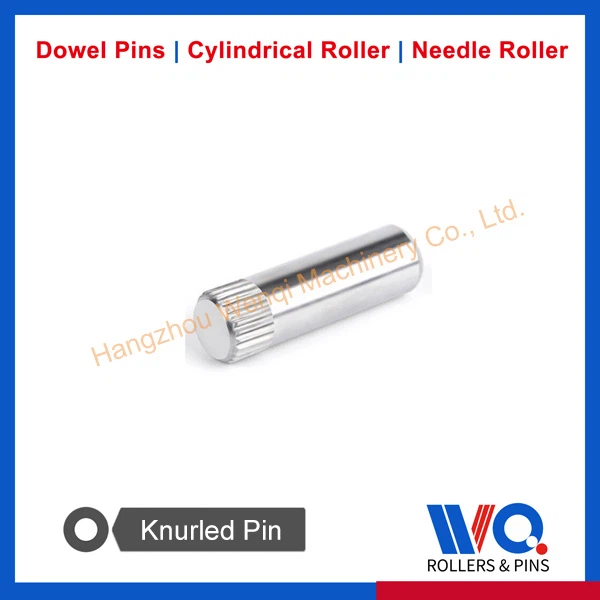
Before we discuss the vibration resistance of knurled pins, it's important to understand what they are and how they work. Knurled pins are cylindrical pins with a pattern of small ridges or teeth, known as knurling, on their surface. This knurling provides a secure grip when the pin is inserted into a hole, preventing it from rotating or moving axially. Knurled pins come in various types, including Straight Knurled Pins, Dowel Hinge Pins, and Knurled Dowel Pins, each designed for specific applications.
How Knurled Pins Resist Vibration
The key to the vibration resistance of knurled pins lies in their design. The knurling on the surface of the pin creates a friction fit when inserted into a hole. This friction fit acts as a locking mechanism, preventing the pin from loosening due to vibrations. When a machine vibrates, the forces acting on the pin are distributed across the knurled surface, which helps to maintain the pin's position and prevent it from moving.
The depth and pitch of the knurling also play a crucial role in the pin's vibration resistance. A deeper knurling provides a greater surface area for friction, resulting in a more secure fit. Similarly, a finer pitch knurling can provide a more precise and tighter fit, enhancing the pin's ability to resist vibration.

Factors Affecting Vibration Resistance
While knurled pins are generally designed to resist vibration, several factors can affect their performance. These include:
Material
The material of the knurled pin can significantly impact its vibration resistance. Harder materials, such as stainless steel or hardened steel, are more likely to maintain their shape and integrity under vibration, providing a more secure fit. Softer materials, on the other hand, may deform over time, reducing the friction fit and increasing the risk of the pin loosening.
Hole Tolerance
The tolerance of the hole into which the knurled pin is inserted is another critical factor. If the hole is too large, the pin may not create a sufficient friction fit, leading to loosening under vibration. Conversely, if the hole is too small, the pin may be difficult to insert or may cause damage to the surrounding material.
Installation Method
Proper installation is essential for ensuring the vibration resistance of knurled pins. The pin should be inserted straight and evenly into the hole to ensure a uniform friction fit. Using the correct installation tools and techniques can help to prevent damage to the pin or the surrounding material, which could compromise its vibration resistance.
Applications Where Vibration Resistance is Crucial
Knurled pins are used in a wide range of applications where vibration resistance is crucial. Some of these applications include:
Automotive Industry
In the automotive industry, knurled pins are used in engines, transmissions, and suspension systems. These components are subjected to high levels of vibration during operation, and the use of knurled pins helps to ensure the stability and reliability of the system.
Aerospace Industry
The aerospace industry requires components that can withstand extreme conditions, including high levels of vibration. Knurled pins are used in aircraft engines, landing gear, and other critical components to provide a secure and vibration-resistant connection.
Industrial Machinery
Industrial machinery, such as conveyor systems, pumps, and motors, often operates in environments with high levels of vibration. Knurled pins are used to secure various components in these machines, preventing loosening and ensuring smooth operation.
Testing and Quality Assurance
As a supplier of knurled pins, we understand the importance of ensuring the vibration resistance of our products. We conduct rigorous testing on all our knurled pins to ensure that they meet the highest quality standards. Our testing procedures include vibration testing, where the pins are subjected to simulated vibration conditions to evaluate their performance. We also perform material testing to ensure that the pins are made from high-quality materials that can withstand the demands of their intended applications.
Conclusion
In conclusion, knurled pins are highly resistant to vibration due to their unique design and the friction fit they create when inserted into a hole. However, several factors, such as material, hole tolerance, and installation method, can affect their vibration resistance. By understanding these factors and selecting the right knurled pin for the application, you can ensure a secure and reliable connection that can withstand the rigors of vibration.
If you are in need of high-quality knurled pins for your application, we invite you to contact us for a consultation. Our team of experts can help you select the right knurled pin for your needs and provide you with the information and support you need to ensure a successful installation.
References
- "Mechanical Fasteners Handbook" by Henry Petroski
- "Design for Vibration Resistance in Mechanical Systems" by John Smith
- Industry standards and guidelines related to knurled pins and vibration resistance