


Hey there! As a supplier of 2.5mm dowel pins, I often get asked this question: "Are 2.5mm dowel pins reusable?" Well, let's dive right into it and find out.
First off, let's understand what dowel pins are. Dowel pins are small, cylindrical rods used to align two or more components in a mechanical assembly. They're super handy for ensuring that parts fit together precisely, which is crucial in a whole bunch of industries, from furniture making to automotive manufacturing.
Now, the reusability of 2.5mm dowel pins depends on several factors. One of the main things to consider is the material they're made of. Most of the dowel pins we supply are made of high - quality steel. Steel is a tough and durable material, which gives the pins a good chance of being reusable. However, if the pins are made of a softer material like brass or aluminum, they might be more prone to wear and tear, and reusing them might not be such a great idea.
Another factor is how the dowel pins have been used. If they've been used in a low - stress application, where they're just holding parts in place with minimal force, there's a high likelihood that they can be reused. For example, in a simple wooden furniture joint where the dowel pin is just providing alignment, as long as it hasn't been damaged during removal, it can probably be used again.
On the other hand, if the dowel pins have been used in a high - stress environment, like in an automotive engine where there are constant vibrations and high forces, they might get deformed or damaged. In such cases, reusing them can lead to problems. A deformed dowel pin might not align the components correctly, which can cause the whole assembly to malfunction.
Let's talk about the installation and removal process. The way you install and remove dowel pins can also affect their reusability. If you use the right tools and techniques for installation, like using a dowel pin press to insert them evenly, you're less likely to damage the pins. And when it comes to removal, using a proper extraction tool can also help keep the pins in good condition. For instance, if you just hammer the pins out without any care, you're likely to bend or break them, making them useless for reuse.
Now, let's take a look at some of the dowel pin products we offer. We have the Dowel Pin With Head. These dowel pins have a head, which can be useful in certain applications where you need to hold the pin in place more securely. They're made of high - grade steel, and if used correctly, they have a good chance of being reusable.
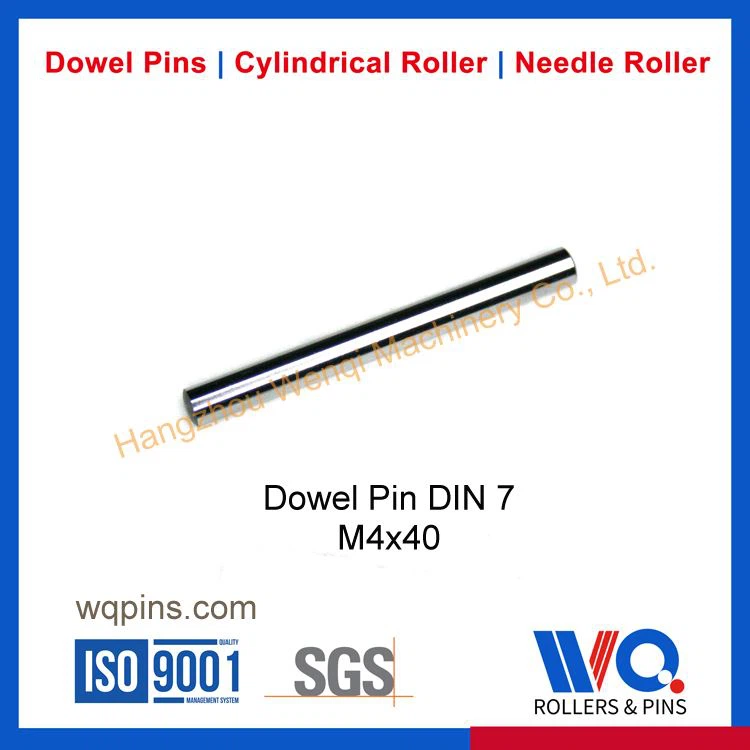

Then there's the Steel Dowel Pin DIN7. This type of dowel pin follows the DIN7 standard, which means it has specific dimensions and quality requirements. The high - quality steel construction makes it durable, and in many cases, it can be reused if it hasn't been subjected to excessive stress.
We also offer CNC Machining Dowel Pins. These dowel pins are precision - machined, which ensures a high level of accuracy. This precision can be crucial in applications where tight tolerances are required. And if they're used in a suitable environment, they can definitely be reused.
So, to answer the question "Are 2.5mm dowel pins reusable?", it's a bit of a yes and no. In ideal conditions, with the right material, usage, and handling, 2.5mm dowel pins can be reused. But if they've been damaged, deformed, or used in a high - stress situation, it's probably best to replace them.
If you're in the market for 2.5mm dowel pins, whether you're looking for a one - time use or something that might be reusable, we've got you covered. Our team of experts can help you choose the right dowel pins for your specific application. We offer a wide range of dowel pins with different materials, sizes, and features to meet your needs.
If you're interested in purchasing our 2.5mm dowel pins, don't hesitate to get in touch with us. We're always happy to have a chat about your requirements and find the best solution for you. Whether you're a small business or a large industrial manufacturer, we can provide you with high - quality dowel pins at competitive prices.
References
- Machinery's Handbook, 31st Edition
- Fastener Technology Handbook