


U-joints, also known as universal joints, are couplings used to unite two rigid shafts. People tend to take them for granted until they begin to wear out or require replacement. They are an essential component of a vehicle's drivetrain. Following that, most people have a lot of questions. In this post, we'll address the most frequently asked questions concerning U-joints.
How Long Do U-Joints Last?
U-joints may fail in a vehicle's early years or last for decades. The type of vehicle, how it is used and maintained, and the U-joint's quality all have an impact on how long they last. Even so, it's difficult to estimate how long a U-joint will survive. It is therefore a good idea to inspect your u-joints at every oil change.
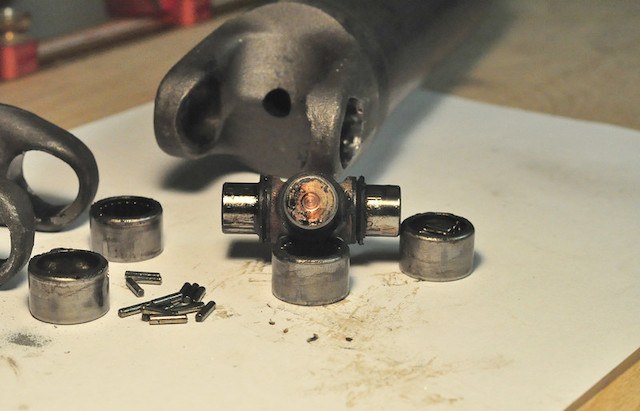
Are All U-Joints The Same?
U-joints are not all the same. A typical rear-wheel-drive vehicle has 2 or 3 u-joints. Some vehicles with a long wheel base, such as buses, have 3 or more u-joints. There are different types of U-joints for different vehicles and applications, and they come in different sizes.
Why Do U-Joints Seize Up or Fail?
The most common reasons U-joints seize up or fail include:
Improper maintenance or lubrication: Some u-joints require frequent lubrication, which should be done around every 5,000 miles. The U-joints will gradually dry out and are more likely to bind if they are not lubricated. This eventually leads to the U-joint breaking or seizing. But you don't need to oil U-joints if you have maintenance-free ones.
Bad alignment: The U-joint may bend excessively if you raise or lower the car to alter its ride height. This puts additional strain on the U-joint and accelerates its deterioration.
Wear and tear from extreme use: U-joints deteriorate more quickly in vehicles with high torque, that go off-road regularly, or that are used for towing.
What Do U-joints Do?
The vehicle's inflexible driveshaft can freely rotate in relation to the transmission and drive wheels thanks to U-joints. At both ends of the driveshaft, they offer a flexible connection that enables it to move in tandem with the wheel movement of the vehicle's suspension, either vertically or at an angle. The suspension of a car would not be able to accommodate that wheel motion without U-joints, which would result in a bumpy ride and drive shaft binding over uneven terrain.
Do Bad U-joints Squeak/Click/Get Hot?
A damaged U-joint will probably vibrate excessively or click audibly. If they run out of lubricant, they may also become heated. U-joints can occasionally break due to regular wear and tear, particularly on cars that are frequently used for off-roading or heavy hauling. In addition, misalignment, corrosion, and severe vibration can all lead to U-joint failure. You should keep an eye out for these telltale noises and symptoms if you know your car is exposed to any of these circumstances. Get your U-joints inspected and replaced if you think they may be failing.
How Many U-joints Does My Car/Truck Have?
Most trucks and cars with rear-wheel drive have two of the three U-joints. Three or more U-joints can be seen on some commercial trucks and buses. The kind of drive shaft your car has will determine how many u-joints it actually has. There are drive shafts that require extra u-joints because they are jointed.
Wenqi Machinery, a Chinese supplier of customized universal joints, leverag advanced equipment, craftsmanship, and high-quality materials, specializes in the production of needle rollers, cylindrical rollers, dowel pins, and universal joints.
Offering customization services, we have developed thousands of customized products for our clients over the years. We regularly upgrade our production equipment and processes to meet the evolving needs of our customers, fostering mutual growth.Welcome to contact us for more information!


