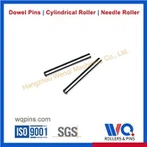
How to choose stainless steel threaded positioning pin?
When selecting stainless steel threaded dowels, consider the following factors to ensure you select the correct dowel for your specific application:
Material: If you need corrosion resistance and durability, choose stainless steel dowel pins. Common stainless steel grades used for tapping dowels include 18-8, 304 and 316, with 316 offering the highest corrosion resistance.
Thread Style: Determine whether your application requires externally threaded locating pins (male threads) or female threads (internal threads), taking into account how the components will be connected.
Thread size and pitch: Select the appropriate thread size (diameter) and pitch (number of threads per inch or millimeter) based on the mating parts and the required joint strength.
Length: Select the appropriate threaded dowel size to ensure it is sufficient for your application and allows for proper engagement with mating components.
Tolerances and Fits: Consider dowel pin tolerances and fits as they affect the ease of assembly and the strength of the connection. Dowels are typically supplied with a standard fit, interference fit, or clearance fit by the dowel supplier.
Chamfered or Rounded Ends: Depending on your preference and ease of insertion, choose between chamfered ends (angled edges) or rounded ends.
Application Requirements: Consider the specific requirements of the application such as load carrying capacity, temperature and environmental conditions. These factors influence the choice of dowel material, size and design.
Industry Standards: Ensure that the dowel pins you buy from dowel pin manufacturers in India comply with relevant industry standards such as ISO, ASME or DIN.
By considering these factors, you can select the stainless steel threaded dowel pin that best suits your application needs and requirements.